MAIN ARTICLE
A warning delivered under congressional scrutiny
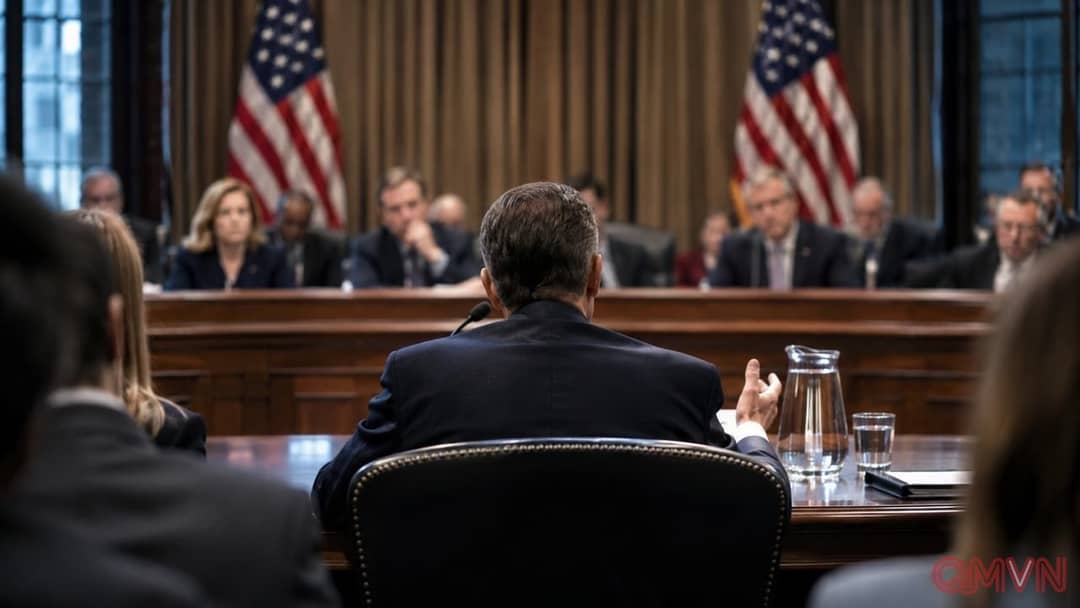
Clayton spoke at the House Homeland Security Committee’s annual hearing, “Worldwide Threats to the Homeland: 25 Years After 9/11.” He emphasized the intelligence community’s commitment to detecting, deterring and countering lethal plots attributed to Iran. His comments covered American personnel stationed overseas as well as people living on US soil. Although the warning was public, much of the operational intelligence underlying it remained classified.
An October 23 memorandum reported by Reuters and Axios outlined the concern in more concrete terms. It assessed that efforts to target American personnel had increased and that some alleged lethal plans had progressed to advanced stages. That is an American intelligence assessment, not public proof that every alleged plot has been carried out or verified independently. The distinction matters in a confrontation in which dramatic claims can circulate faster than the evidence needed to evaluate them.
The dirty-bomb question and what is not established
CNN reported that American intelligence had examined the possibility of an Iranian plan involving a radiological dispersal device in Washington. Often called a “dirty bomb,” such a device differs from a nuclear weapon: its principal dangers concern the dispersal of radioactive material, contamination fears, disruption and the consequences of a conventional explosion.