MAIN ARTICLE
A retreat brings the defence of Aden into focus
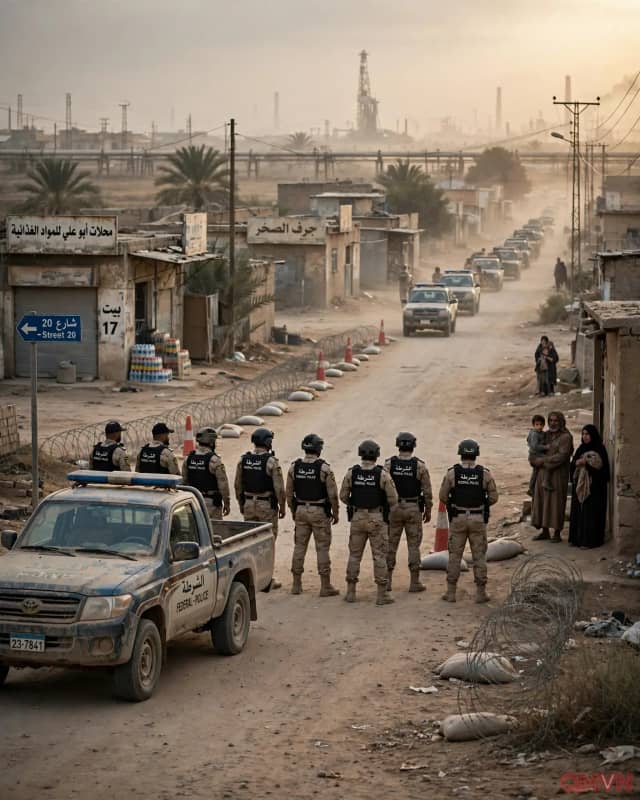
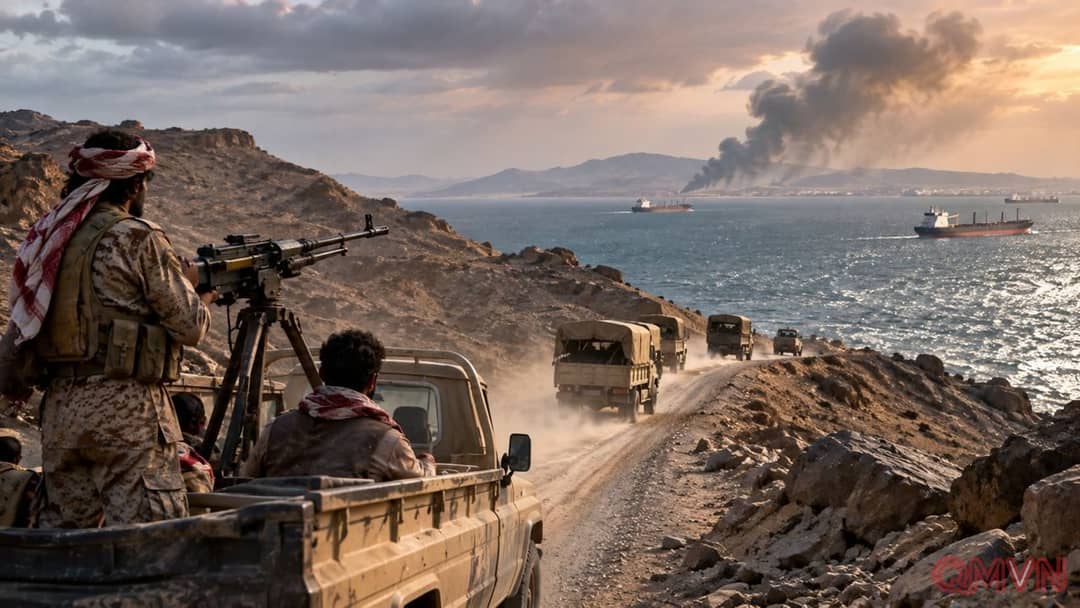
The southern forces aligned with Yemen's internationally recognised government announced a redeployment from Dhubab airport and the Bab el-Mandeb area in western Taiz province. Their statement described the move as a decision to safeguard Aden and nearby governorates. Yet the withdrawal from a strategic gateway represents a serious reversal for the Saudi-backed campaign, even if commanders present it primarily as a defensive adjustment.
Yemeni military sources cited by Reuters said units had moved toward al-Suqyah, around 150 kilometres west of Aden. In the hills farther north, Houthi fighters were reportedly close to Tur al-Bahah, roughly 80 kilometres from Aden. There was no immediate response from either the Houthis or Saudi Arabia to the southern forces' announcement. The exact boundaries of control therefore remain subject to battlefield developments and further reporting.
The counteroffensive followed rapid Houthi gains along the Red Sea coast in September. Government-aligned fighters regained important positions near the strait but did not recapture al-Mocha. Concentrating troops around Aden may protect the government's temporary base, while potentially allowing the Houthis additional room to consolidate territory closer to shipping lanes.
Iranian strikes test Bahrain and Washington
Bahrain said its air defences had intercepted Iranian aerial attacks, and authorities urged people to seek shelter during a short alert. The island kingdom hosts the headquarters of the US Fifth Fleet.
That connection makes attacks in Bahraini airspace more than a bilateral security problem: they carry a risk of drawing American forces into renewed exchanges.
Iran's Islamic Revolutionary Guard Corps said, according to Fars news agency, that six drones targeted a US base in retaliation for what Tehran described as hostile American actions. Two days earlier, the Guards claimed an attack on an early-warning radar site. The US military disputed the claim of damage and said it had intercepted two drones. These conflicting accounts should not be confused with independently established outcomes.
After months of confrontation between the United States and Iran, President Donald Trump has suggested he could refrain from further strikes if there are no new provocations, while maintaining a US naval blockade of Iran, according to Reuters. A limited strike intended as a warning can nevertheless be interpreted by its target as grounds for escalation. That is the central danger of signalling through weapons instead of negotiation.
Two strategic straits, overlapping economic risks
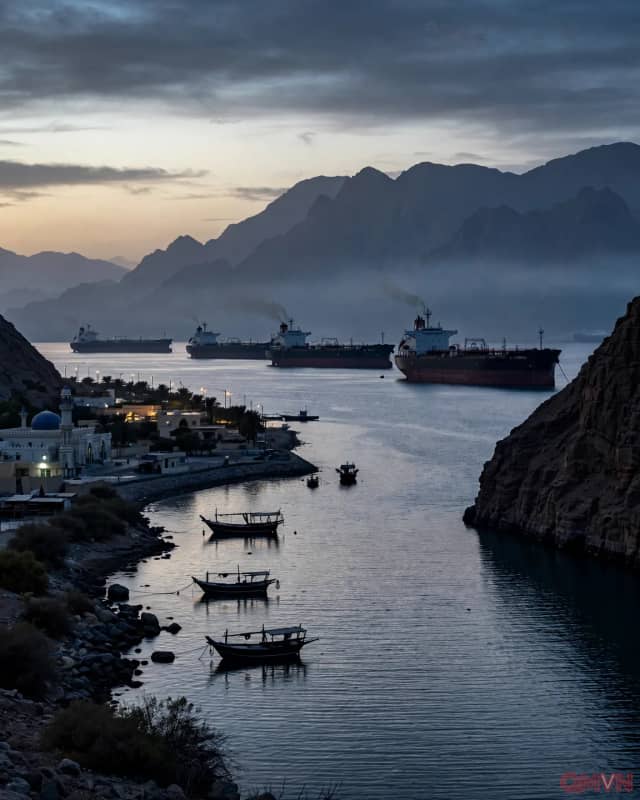
Bab el-Mandeb links the Red Sea with the Gulf of Aden and lies on the Asia–Europe trade route through the Suez Canal. Across the Arabian Peninsula, Hormuz is a major outlet for Gulf oil and gas. Simultaneous insecurity at the two chokepoints raises the price of uncertainty, from marine insurance and freight schedules to contingency routes and energy costs.
A November 15 advisory from the JMIC/UKMTO maritime-monitoring system said Bab el-Mandeb remained open to commercial traffic but volatile. It reported no confirmed attack on commercial shipping in the southern Red Sea during the relevant reporting period. That distinction matters: armed control and threats along a coast do not automatically amount to a complete closure of the waterway.
At Hormuz, Iran's Guards said two tankers caught fire after hitting naval mines, a report Reuters could not independently verify. The Houthis separately claimed attacks on Saudi airports and energy infrastructure without immediate Saudi confirmation. Riyadh has reportedly redirected about four million barrels of oil daily through its East-West Pipeline toward Yanbu, reducing reliance on a vulnerable maritime exit.
Civilians bear the cost as diplomacy struggles
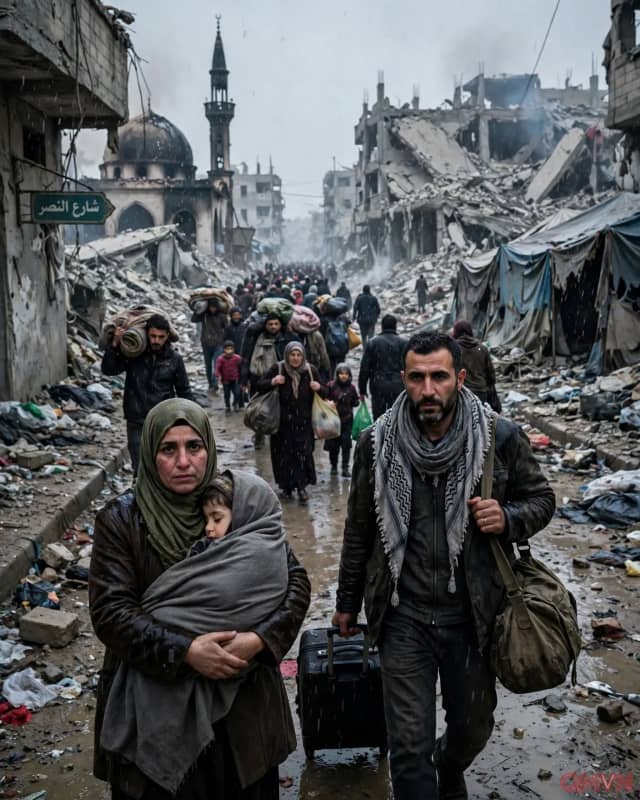
Taiz illustrates what strategic maps can obscure. The city, long exposed to siege conditions, now shelters many people driven from their homes by renewed fighting. Reuters reported that roughly half of the 300,000 people displaced by the latest violence across Yemen were in Taiz. Access for relief supplies and civilian movement has become severely constrained, deepening needs beyond the battlefield.
Iranian Foreign Minister Abbas Araqchi was expected to visit Oman on November 17 for talks, according to Iranian state media. Oman, which faces Iran across the Strait of Hormuz, has previously served as an intermediary. The planned meeting does not guarantee progress, but it offers a channel for discussing shipping safety, retaliation and ways to avoid a wider regional confrontation.
Yemen and Bahrain are distinct theatres, but their latest crises pose a shared question: can governments keep military competition away from essential maritime arteries while creating space for diplomacy? The answer also depends on something less visible to markets—the ability of families trapped by fighting to receive aid and move safely.