Thirteen Vehicles for Two Market Rhythms
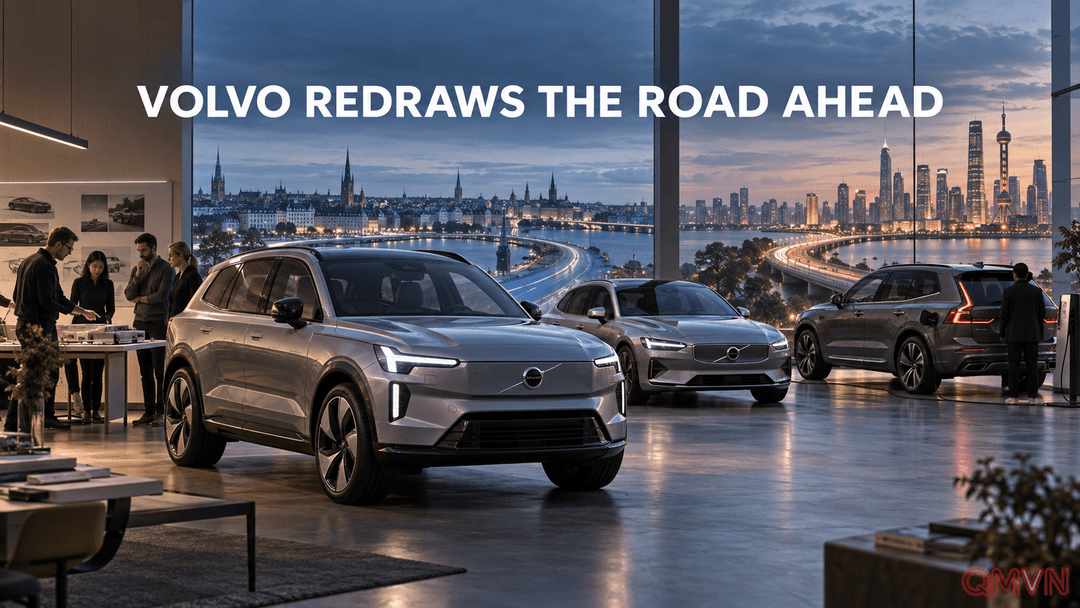
Presented at a strategy update in Stockholm, the plan moves Volvo Cars away from treating its global portfolio as nearly uniform. Seven models for Europe, North America and other Western markets will rely mainly on the SPA2 and SPA3 architectures. Six vehicles for China will be developed with deeper support from Geely Auto, Volvo Cars' controlling shareholder, allowing the brand to draw on local platforms, supply chains and development speed in the world's most fiercely contested electric vehicle market.
The division recognizes that customers are not moving toward electric mobility at one pace. In China, digital features, pricing and short launch cycles exert intense pressure. In Europe and the United States, emissions rules, tariffs, charging coverage and renewed demand for hybrids create a different balance. Volvo Cars therefore wants to regionalize the major product choices while standardizing more of the costly technology underneath, reducing the expense of tailoring every vehicle in every detail.
Electrification Continues as Hybrids Become a Bridge
Volvo Cars still presents electrification as its long-term direction, but the new program is more pragmatic about timing. Alongside battery electric vehicles, it will develop third-generation hybrids and renew important existing models.