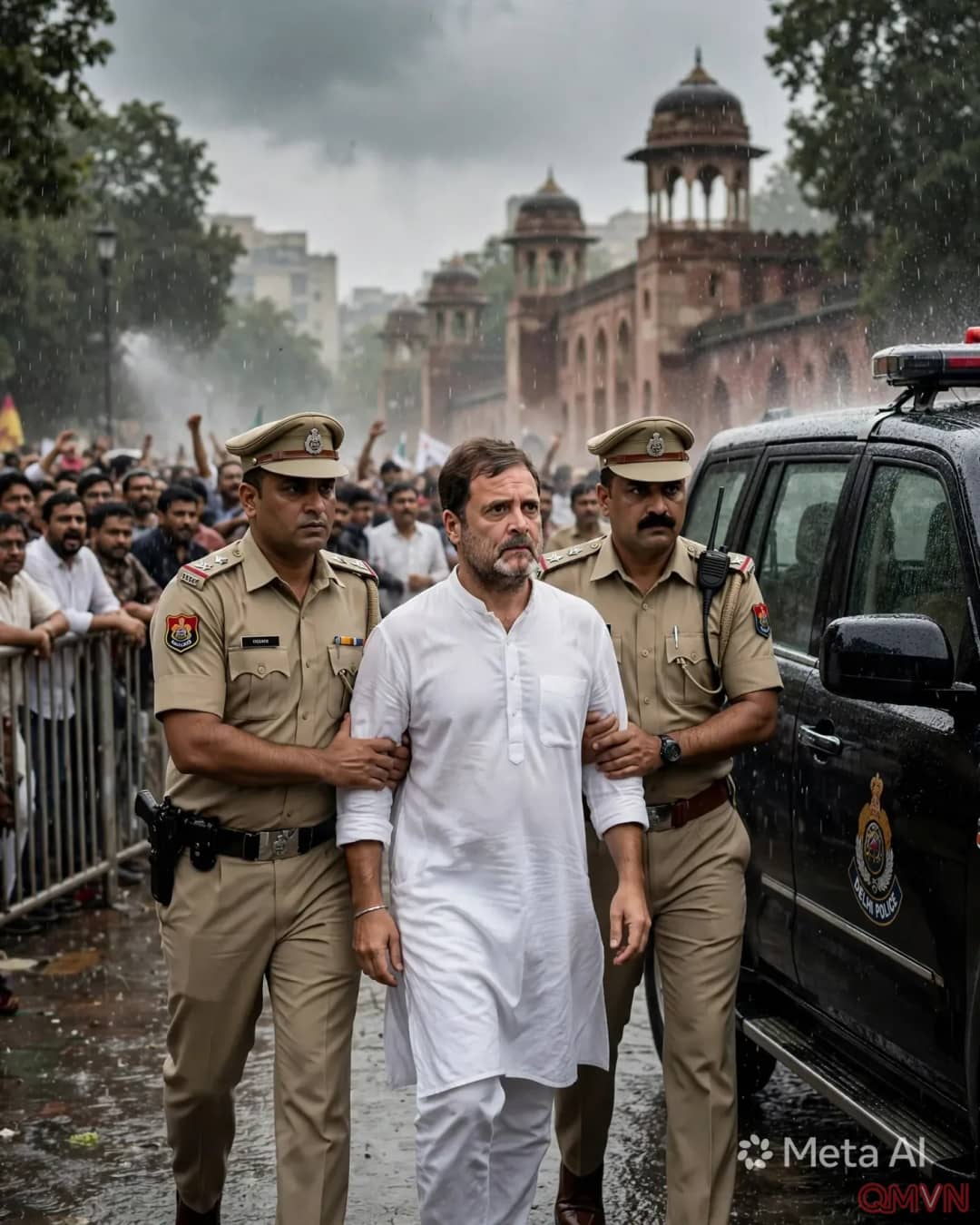
A Tense Afternoon on the Road to Jantar Mantar
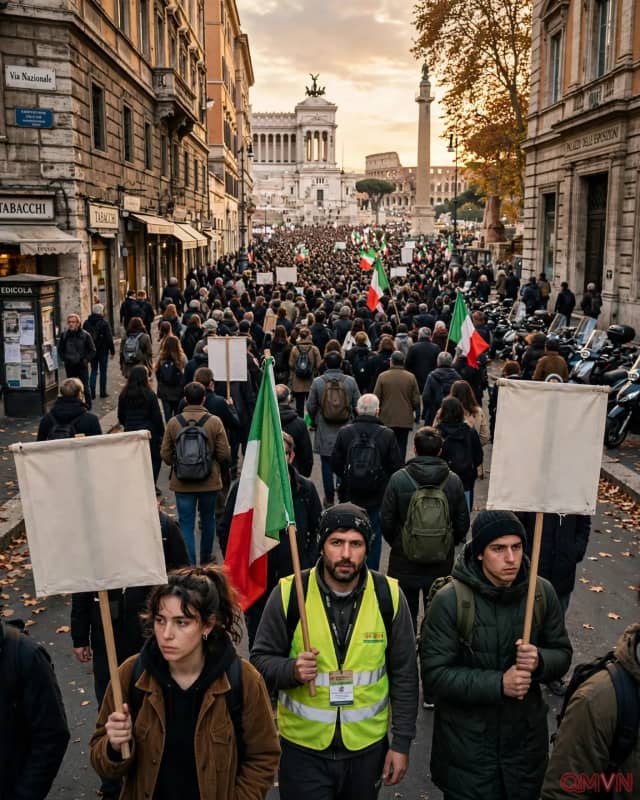
The marchers set out on foot for Jantar Mantar, the old observatory in the heart of New Delhi that has long served as India's public square for dissent. They never arrived. Police put up barricades, and a livestream on the YouTube channel of the Indian National Congress showed Rahul Gandhi, leader of the opposition in the lower house of Parliament, being placed in a vehicle and driven off. AP reported that a number of other opposition lawmakers and demonstrators met the same fate.
The scene has become familiar. On October 2, the day India marks Gandhi Jayanti, the birth anniversary of Mahatma Gandhi, Indian media reported that more than 500 people were detained around Jantar Mantar, that police had refused permission for the gathering and that 12 metro stations were closed. Back in July, Rahul Gandhi himself was briefly held during a sit-in outside the prime minister's residence and later released. For the opposition, every ride in a police vehicle carries its message a little further.
130 Million Names and Two Ways of Telling One Story
At the centre of the dispute is the Special Intensive Revision, an exercise in which election officials go house to house to verify the entire roll, rather than simply updating it each year on the basis of voters' own applications. It began last year in the eastern state of Bihar, ahead of a local election, and has since spread to most of India's states and federally run territories.