MAIN ARTICLE
Two failed texts and a diplomatic vacuum
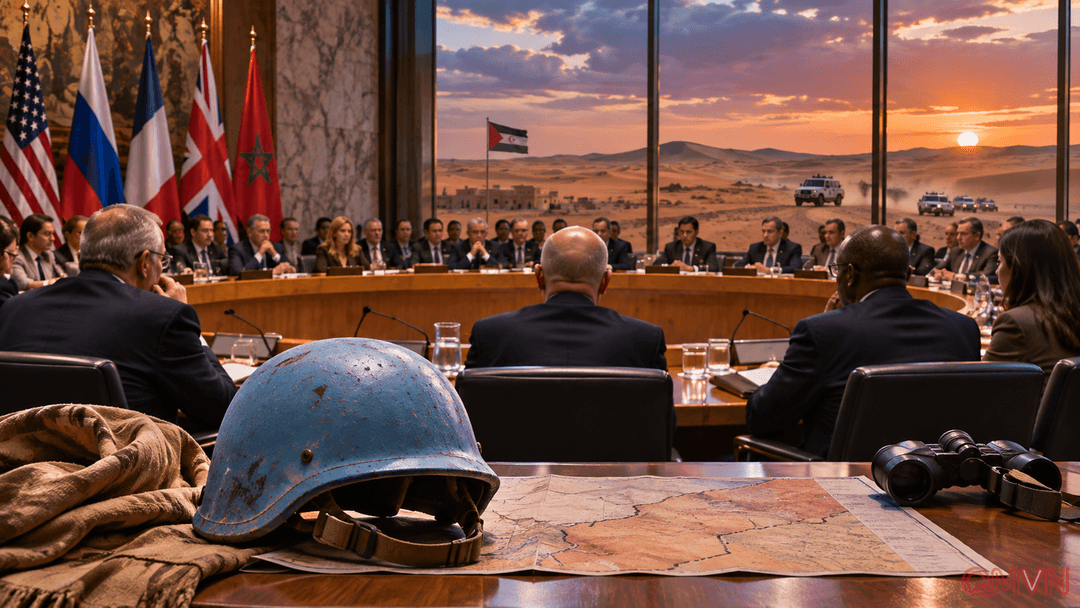
At the October 30 meeting, Washington proposed extending MINURSO for one year while significantly changing its identity and operations. The draft envisaged a smaller military component and a new name, MINUSO, removing the word “Referendum” from the title. Russia vetoed the measure, arguing that it tilted the settlement framework toward Morocco and prejudged the question of sovereignty. Moscow then presented a shorter resolution to renew the existing mandate without that restructuring. Its proposal drew three votes in favor, one against and 11 abstentions.
The distinction matters. A permanent member’s veto can stop a draft supported by most of the Council, while another text can fail simply because it does not reach the minimum nine affirmative votes. Neither outcome itself constituted a formal decision to dissolve the mission. But without another agreement before the October 31 deadline, MINURSO would lack a renewed Security Council mandate to continue on the same basis. A procedural confrontation has thus become a test of whether international institutions can protect basic conflict-management functions while diplomats disagree about a final settlement.
Why the word referendum still matters
The central political divide remains unresolved. Morocco offers autonomy for Western Sahara within its own sovereignty. The Algeria-backed Polisario Front demands a process that respects Sahrawi self-determination, including the option of independence. The United States sees the autonomy framework as a viable route out of the stalemate.