MAIN CONTENT
Tariff gaps become bargaining leverage
On November 25, the Office of the United States Trade Representative (USTR) announced findings under Section 301 of the Trade Act of 1974. It argued that industrial policies in 14 economies burden American commerce. Washington questioned manufacturing support, financing arrangements and barriers that it believes distort market signals. These are the findings of the US authorities, not conclusions universally accepted by their trading partners.
The noteworthy feature is the conditional difference between proposed rates. Reuters reported on November 25 that the consultation process includes a public hearing scheduled for January 25, 2027. Companies therefore need to distinguish the proposals from a final determination. Actual duties depend on product classification, existing measures and exclusions. The headline percentages cannot simply be added together to calculate the cost of every shipment.
Vietnam and India seek to protect export orders
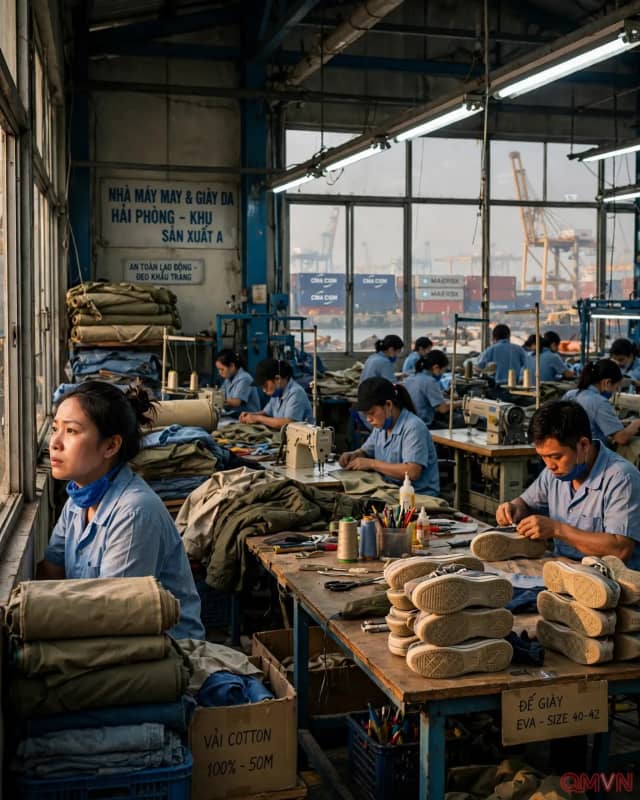
Reuters reported on November 26 that Vietnam was working with the United States to complete a trade agreement promptly. For apparel and footwear manufacturers, uncertainty over import costs can encourage customers to defer orders or examine other sourcing locations.