A new legal route for trade barriers
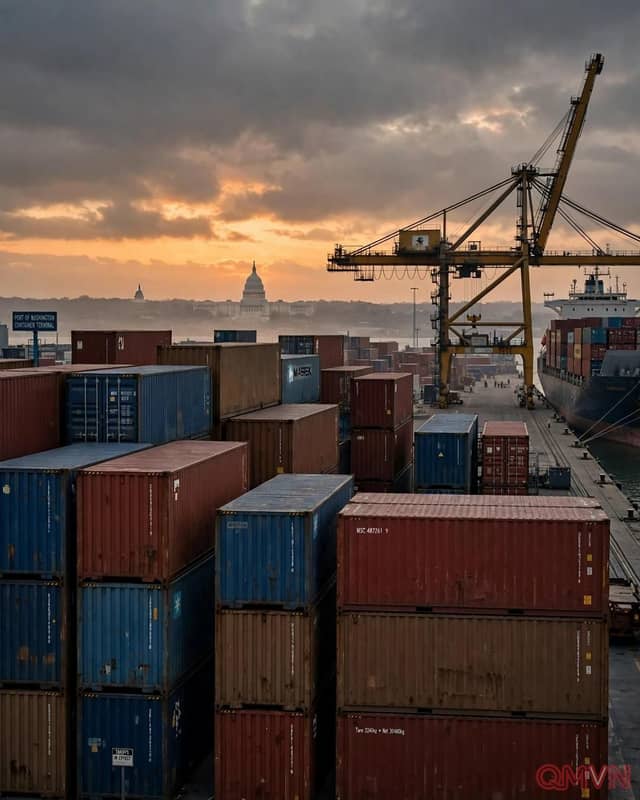
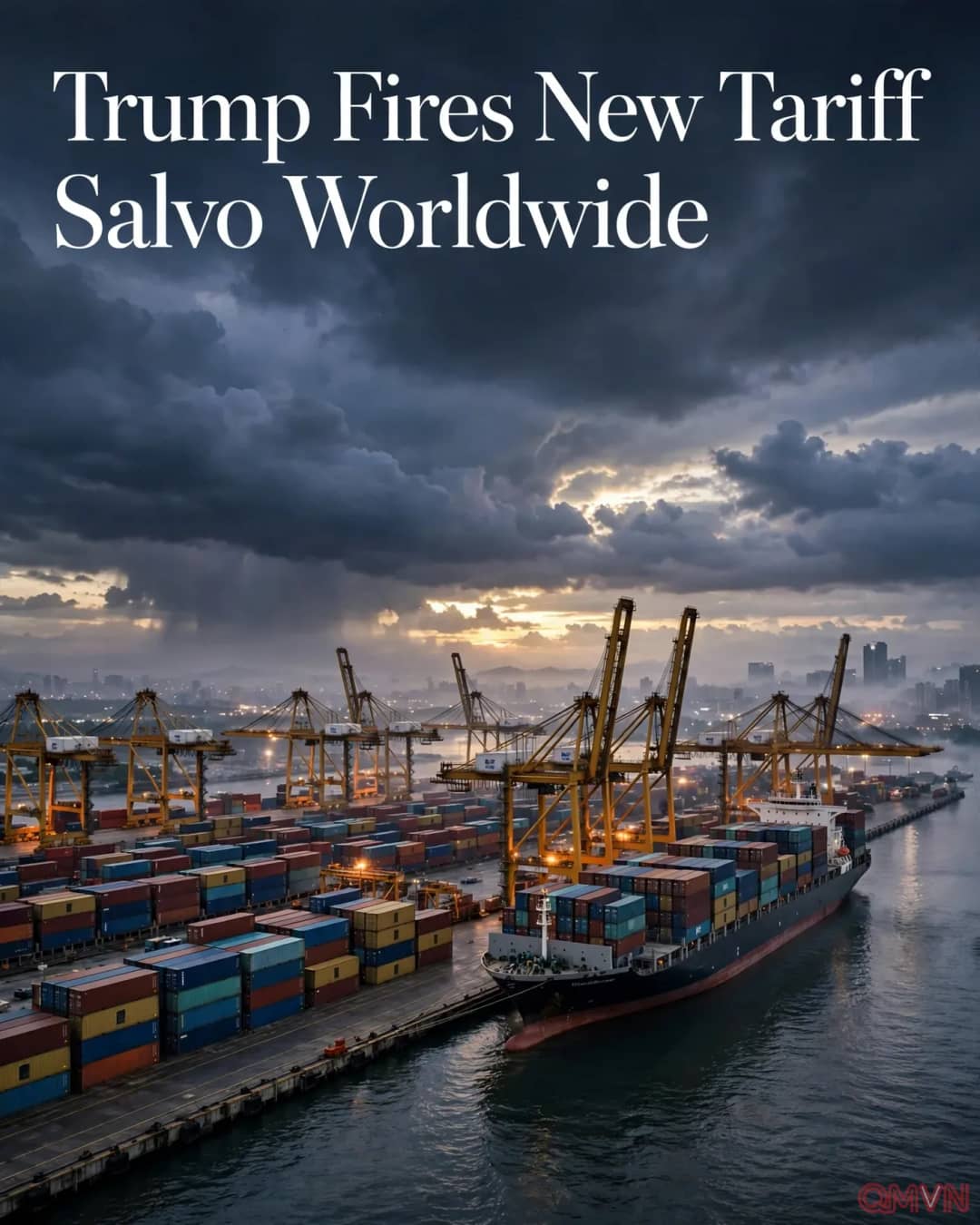
The Office of the United States Trade Representative (USTR) launched its investigation on March 11 under Section 301 of the Trade Act of 1974. Its March announcement described the inquiry as an effort to address manufacturing policies that allegedly distort the relationship between supply and demand. Hearings took place in May. The November proposal marks the next stage rather than the immediate collection of new duties.
The administration argues that subsidies and other interventions can encourage production beyond commercially sustainable demand, placing pressure on American factories. China rejects the accusation, maintaining that its exports reflect competitive strengths. The disagreement matters because efficient production and state-supported excess capacity can produce superficially similar outcomes: lower prices and larger export volumes. Establishing which explanation applies requires evidence at the sector and company level.
Different rates, different obligations
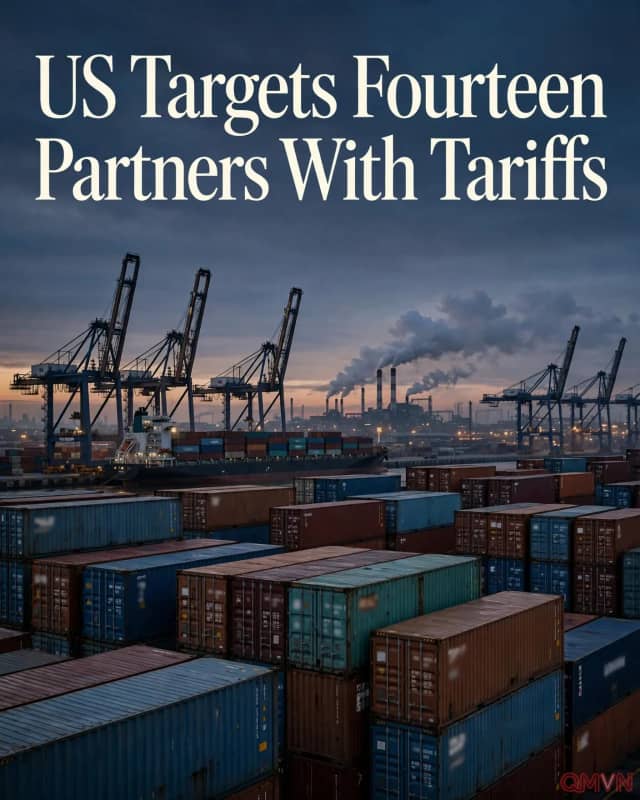
The economies named in the proposal are China, Bangladesh, Cambodia, the European Union, India, Indonesia, Japan, South Korea, Malaysia, Singapore, Switzerland, Taiwan, Thailand and Vietnam. Reuters reports that Washington intends to respect negotiated ceilings, including 15% for the European Union, Japan, South Korea and Taiwan, and 19% for Malaysia. These ceilings should not be mistaken for a complete schedule of product-specific duties.