MAIN BODY
A policy instrument that survives electoral setbacks
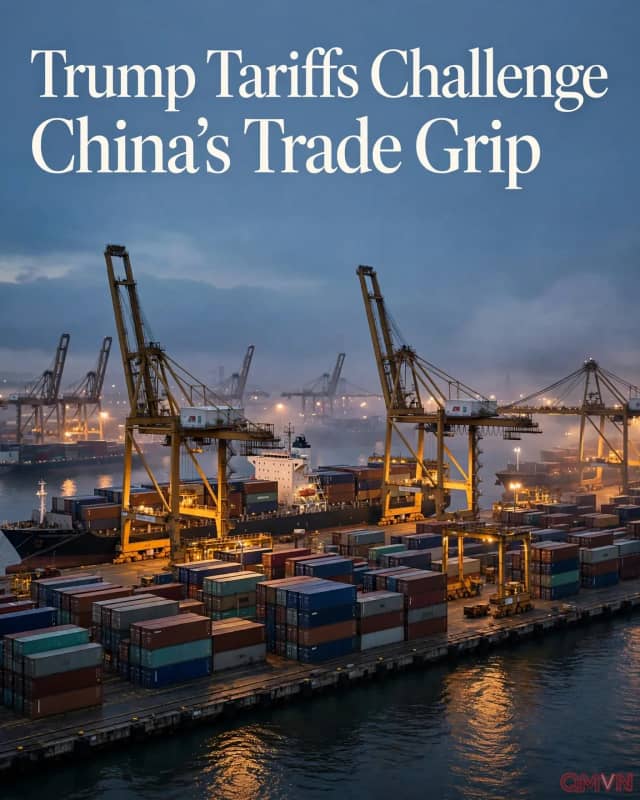
The proposed duties follow a months-long investigation under Section 301 of the Trade Act. According to Reuters and AP on November 25, the administration argues that foreign industrial support and persistent excess production capacity undermine American manufacturing. A public hearing is scheduled for January 25, 2027, before the measures can take effect. The distinction between an announcement and a binding tariff matters: companies should not treat the proposed rates as final liabilities.
The political setting makes the initiative particularly consequential. A president facing an opposition-controlled legislature may struggle to pass new spending programs or tax legislation. Existing trade statutes, by contrast, provide a route to pursuing policy without a fresh congressional vote on every tariff. That does not make presidential authority unlimited: statutory requirements, judicial review and congressional oversight remain important constraints.
Who ultimately pays for protection?
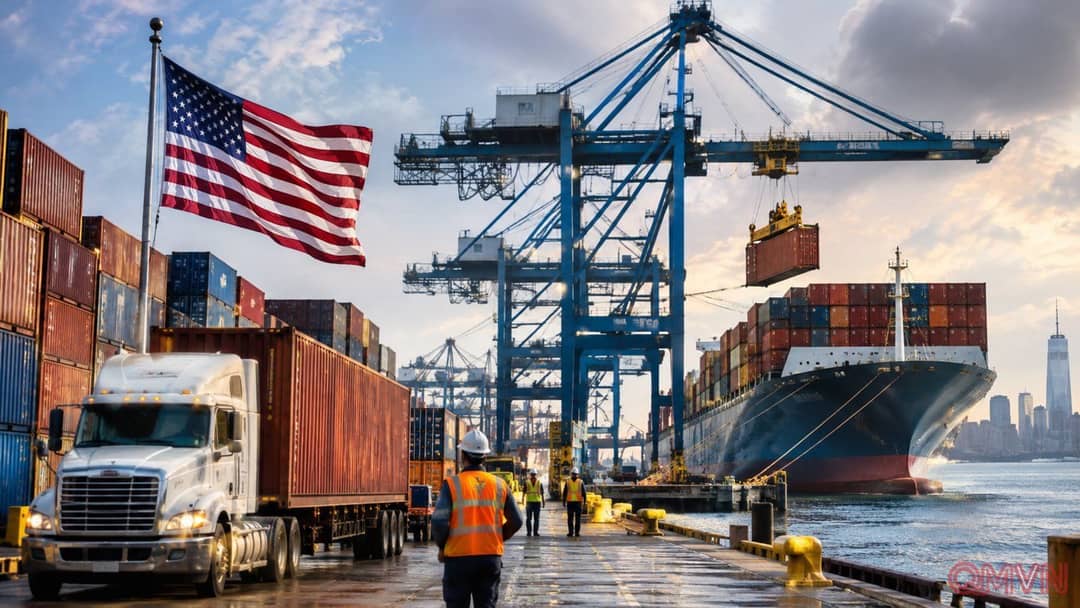
A tariff is collected from the importer, not automatically from the government of the exporting country. The economic burden can be shared among foreign suppliers, domestic businesses and consumers. Its distribution depends on competition, contract terms, exchange rates and the availability of alternatives. A retailer that cannot find a substitute may raise prices; another may accept lower profits to retain customers.