A joint declaration reached after tense last-minute talks
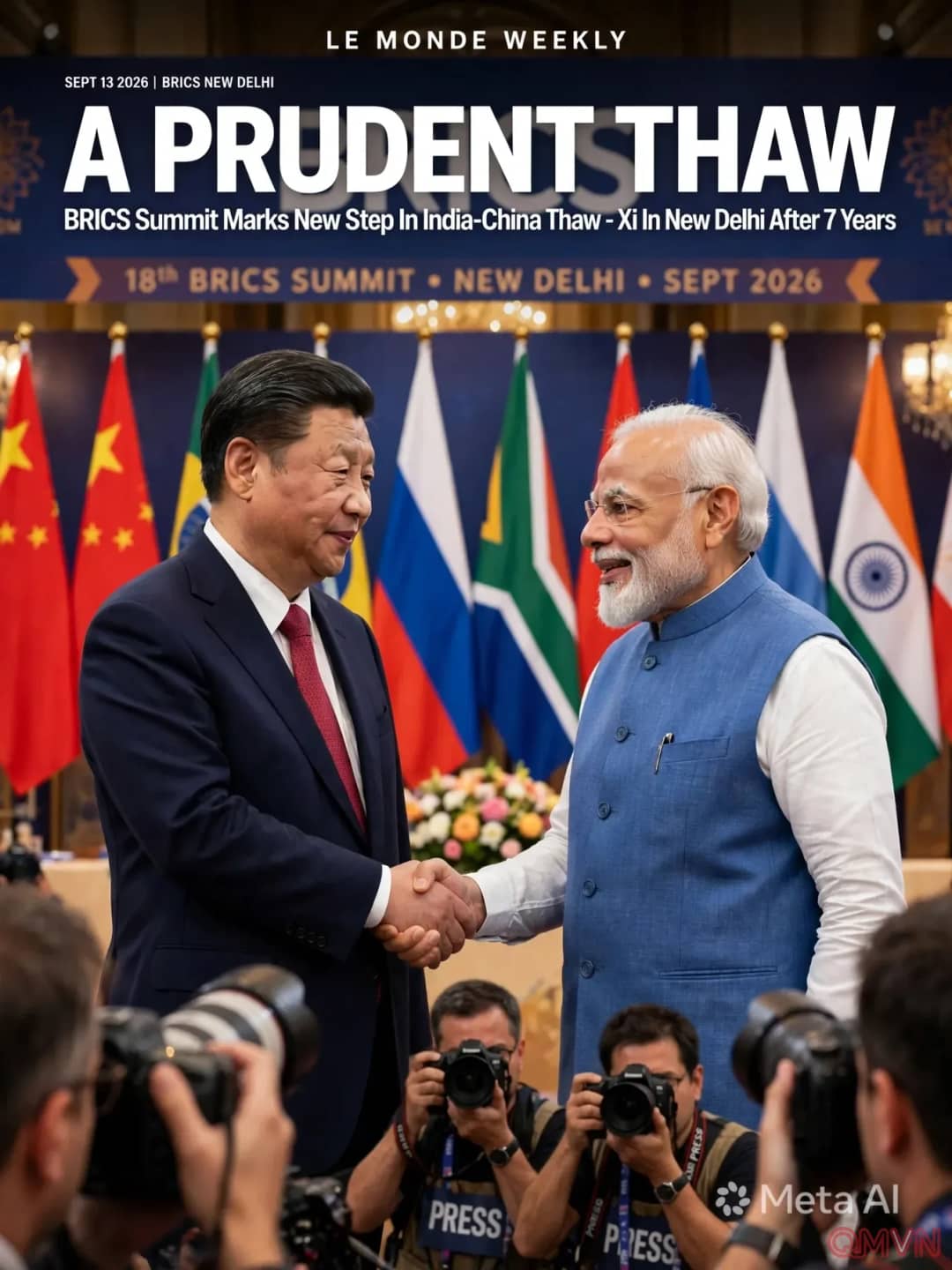
The unanimous adoption of the New Delhi Declaration 2026 by all 11 BRICS members was widely seen as a notable diplomatic achievement for India during its rotating chairship this year, coming as the bloc also marked two decades since the term BRIC was first popularised as shorthand for a group of fast-growing emerging economies. Negotiations over the text went down to the wire, as Iran, Saudi Arabia and the United Arab Emirates initially held differing positions linked to the ongoing conflict in West Asia. The final declaration condemned aggression without naming any specific country, while voicing concern over nuclear risks and calling for stronger global disarmament efforts.
Shortly after the opening session, Modi delivered remarks emphasising the need to reform global institutions to keep pace with a changing world, and said member states had agreed that the Global South deserved an equal say in shaping the rules governing future technologies.
Today's discussion makes it evident that the changing world cannot be steered by outdated institutions; reforms are essential in representation, responsiveness and rule-making.