MAIN CONTENT
When digital attacks enter everyday life
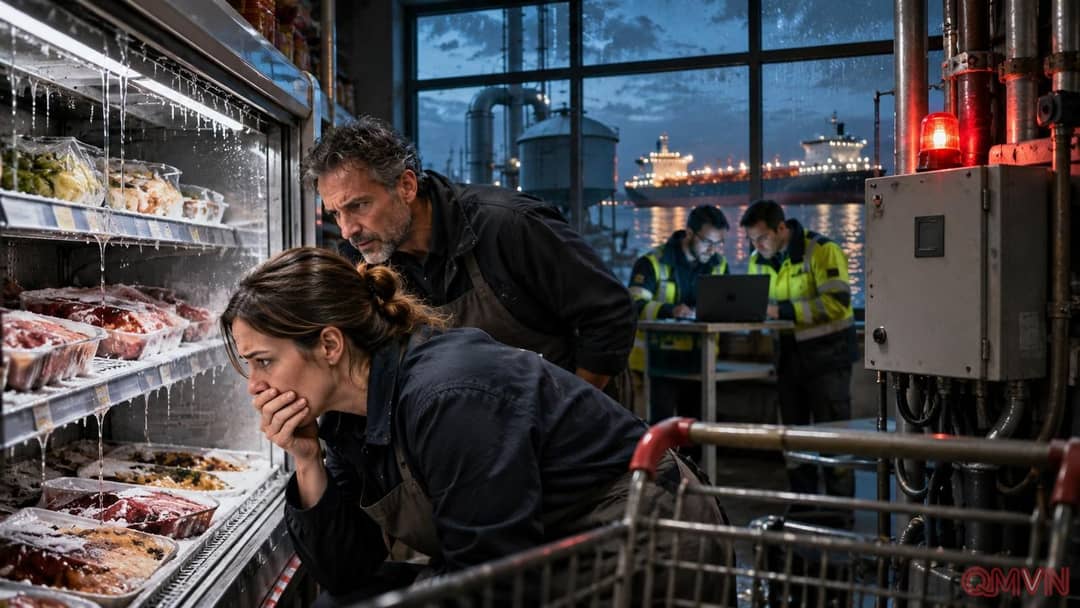
In early November, supermarkets across parts of Europe reported refrigeration systems being manipulated remotely. Temperatures rose, food was discarded and some businesses disconnected cooling equipment while examining their networks. Reuters described a second wave following a major incident in France during October. For shoppers, the effect of a cyber intrusion was not an unfamiliar screen message but empty refrigerated shelves and questions about food safety. The intrusion turned a hidden technical dependency into a very public disruption.
French investigators described attackers manipulating controllers to trigger heating or defrost functions. Some reported consequences included equipment damage and fires, alongside substantial spoiled stock. Palo Alto Networks’ Unit 42 research team estimates that approximately 700 French supermarkets were affected during October 11–12, followed by attacks involving locations in other European countries in early November. Such totals should be treated as reporting-period estimates rather than final verified counts, because affected operators and national authorities may classify incidents differently.
In the United States, attention has also focused on water networks, energy facilities and maritime transport. The Wall Street Journal reported that officials were examining breaches involving two energy tankers headed toward Texas, without a final public determination of responsibility. The common concern is the bridge between a digital instruction and a physical outcome: a pump stops, a temperature changes, operations are interrupted or an employee must take control manually.