A journey measured in sirens
Antonina Viter, a 36-year-old beauty salon owner, travels by train at least six times a month to run her businesses in Kyiv and Dnipro. She has stopped counting the disruptions. On roughly one trip in three, she told Reuters, passengers are ordered off the train at least once, sometimes up to three times. For her there is no alternative: rail is the only practical way to reach clients in a country where civilian flights have been grounded since 2022.
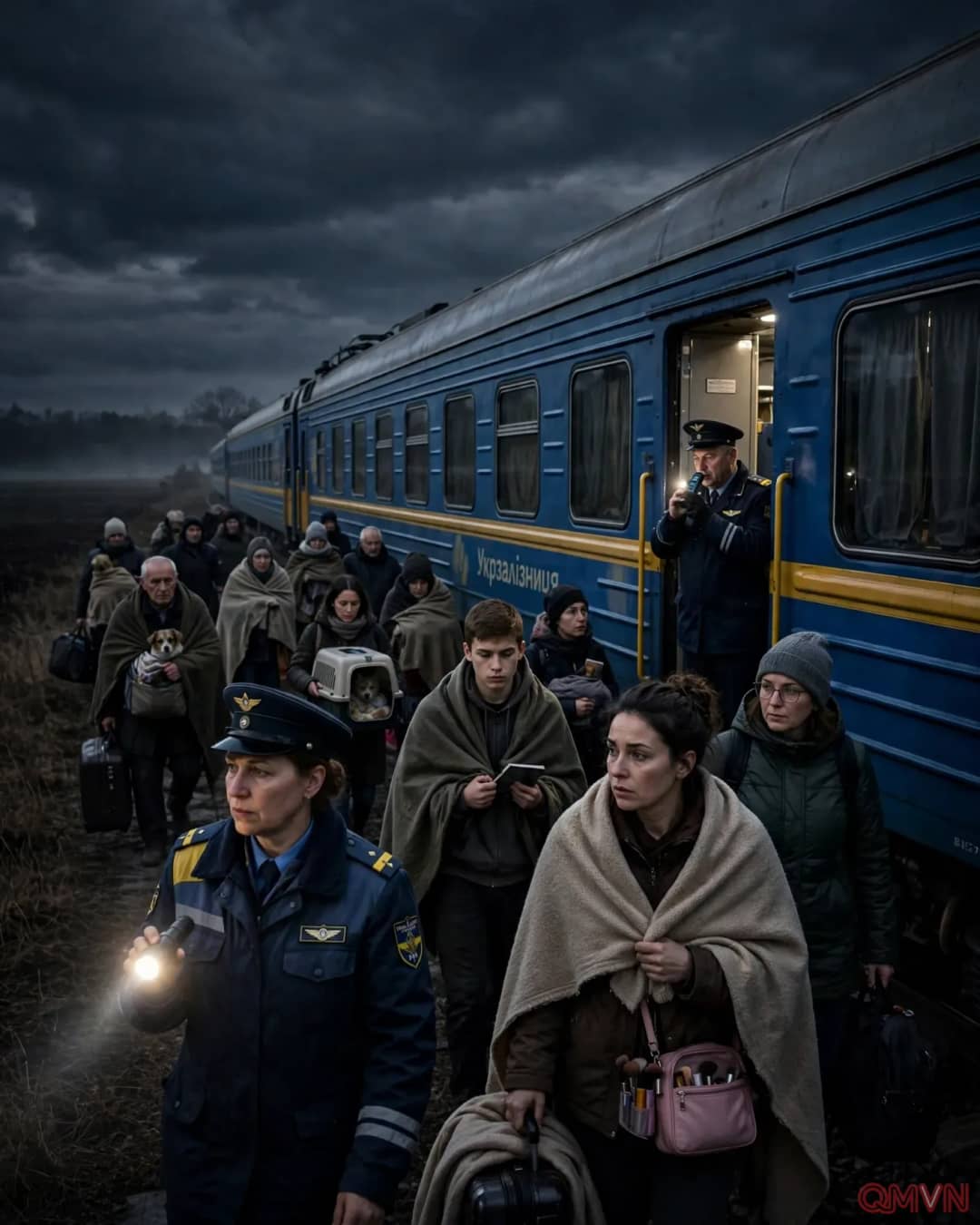
Soon after she spoke, on an overnight service from Dnipro to Odesa on the Black Sea coast, the sirens proved her point. Wrapped in a blanket under a pitch-black October sky, she stood beside the tracks with a colleague, following a nearby drone on a phone app after hearing its distinctive whoosh overhead. It was the third evacuation in two hours. Remarkably, the train reached Odesa only an hour and 20 minutes late; on this 400-kilometre route, delays of five to 12 hours are not unusual.
A network under fire
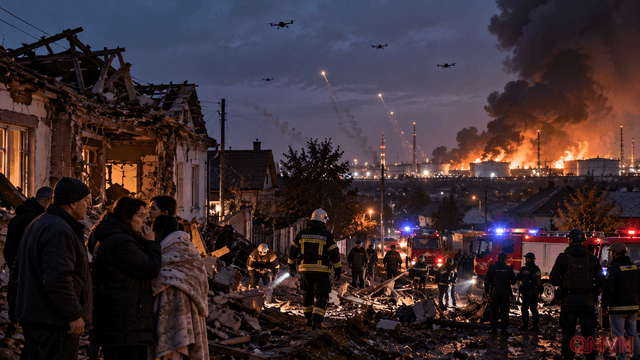
Ukrzaliznytsia says Russia has struck more than 1,700 railway facilities this year alone, from stations and depots to locomotives and passenger carriages. Since the full-scale invasion began in 2022, the operator has recorded thousands of attacks, and their pace has risen steadily since the autumn of 2025. Russia maintains that its strikes target objects used by Kyiv's armed forces; Ukrainian officials and rights advocates point out that trains carrying civilians have repeatedly been hit.