New Delhi extends a collaborative olive branch amidst a legal storm
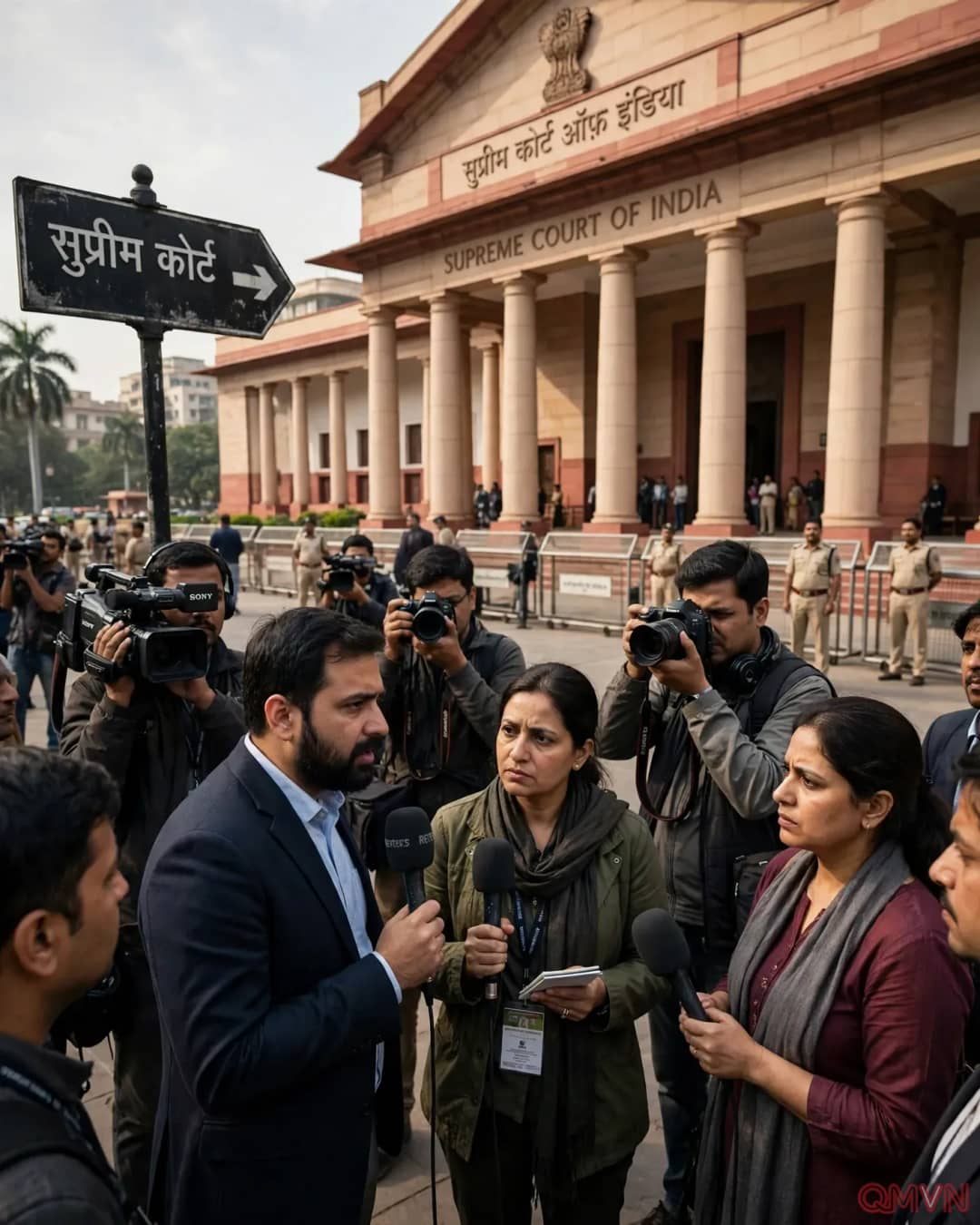
Responding directly to the high-profile legal petition submitted to the nation's highest judicial authority, Information Technology Minister Ashwini Vaishnaw delivered the administration's initial formal response aimed at de-escalating mounting friction with the press corps. The senior minister reaffirmed that constitutional guarantees protecting investigative journalists remain absolute, extending an open invitation for senior editors to contribute to statutory amendments.
“Journalistic freedom is guaranteed by the Constitution, and there is no intention to affect that; I am inviting all editors and the government is open to act accordingly.” — Ashwini Vaishnaw
While the ministerial willingness to consult industry leaders offers a potential diplomatic off-ramp, executive editors and publishers maintain vigilant skepticism. Media federations insist that verbal reassurances must materialize into statutory carve-outs within the legislative text rather than relying on discretionary administrative guidelines.
Privacy mandates and the existential threat to investigative reporting
The epicenter of the legal dispute, uniting major outlets including billionaire Mukesh Ambani's Network18 and Gautam Adani's NDTV, lies in statutory provisions compelling reporters to obtain explicit prior consent from individuals before handling their personal data. Media attorneys demonstrated before the bench that this stipulation strips journalists of their ability to pursue undercover investigative reporting and exposes confidential whistleblowers to state discovery.