MAIN REPORT
A vote in Washington and an energy bill in Asia
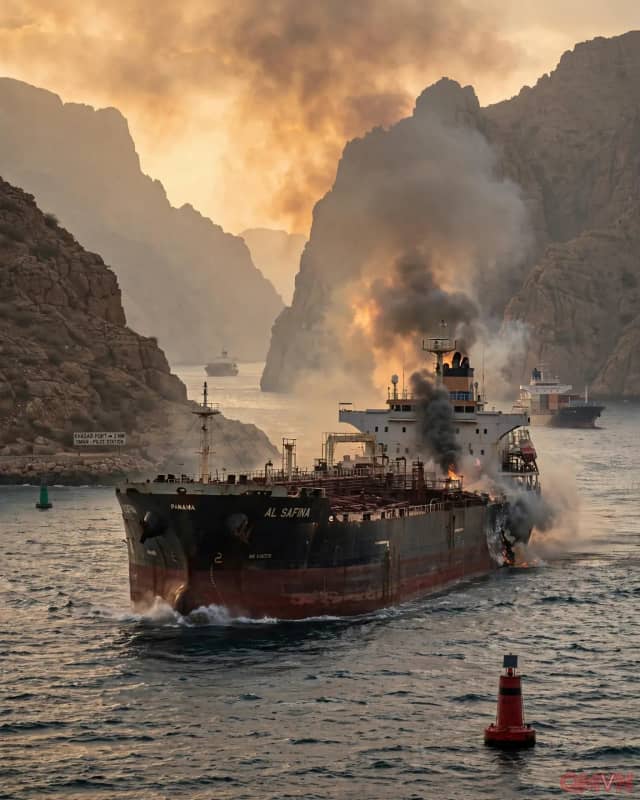
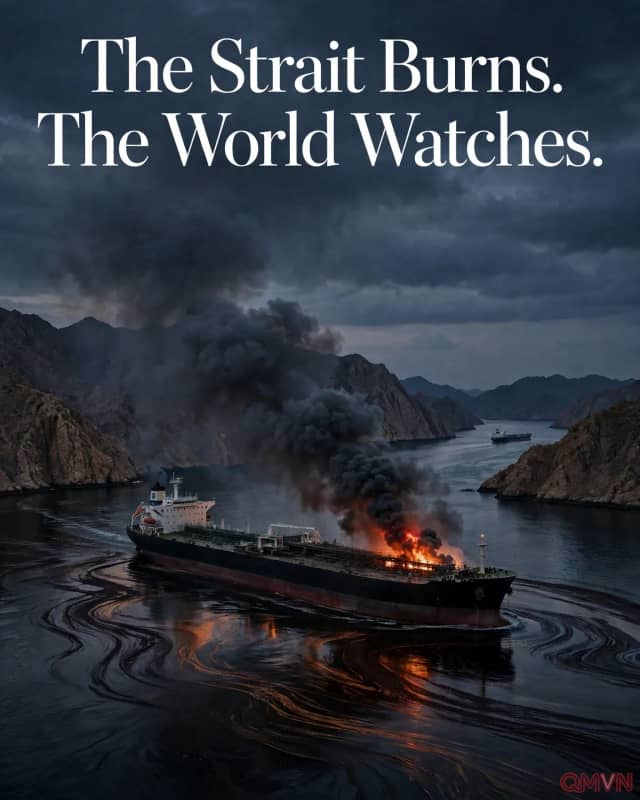
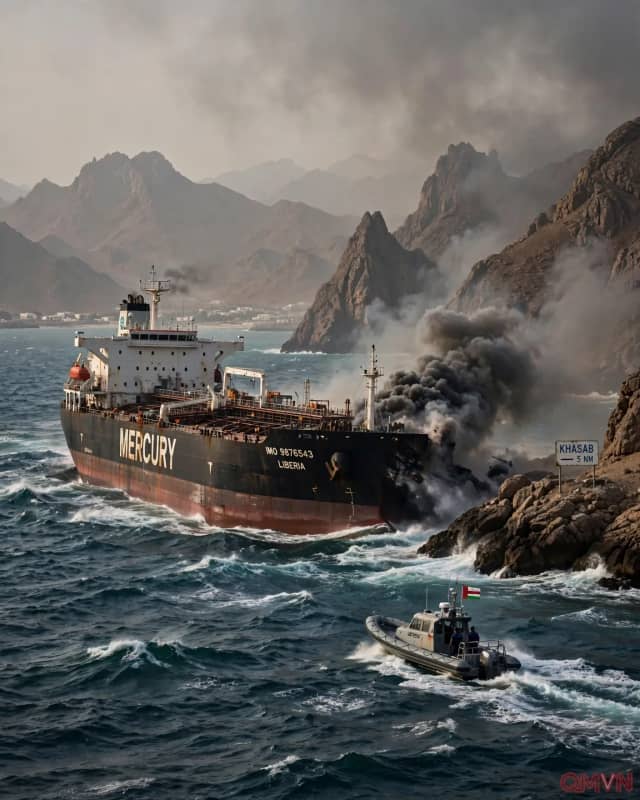
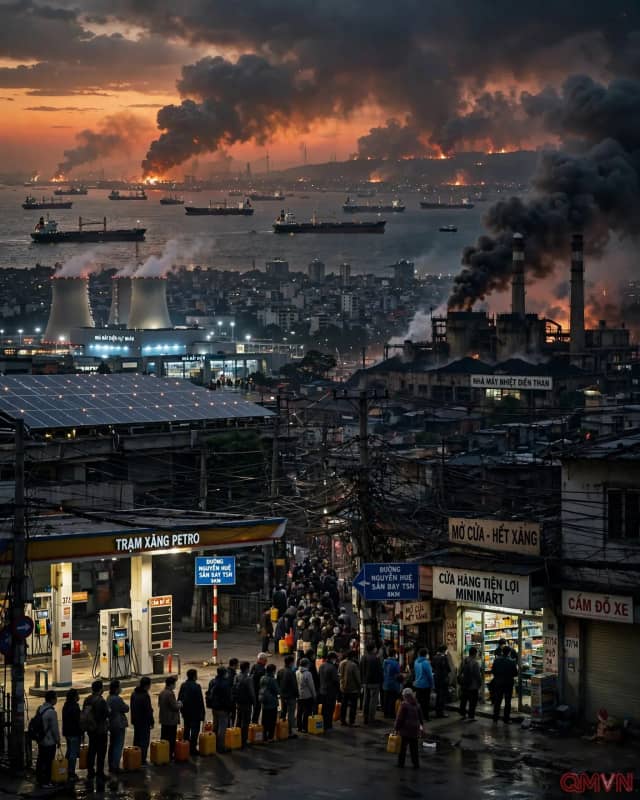
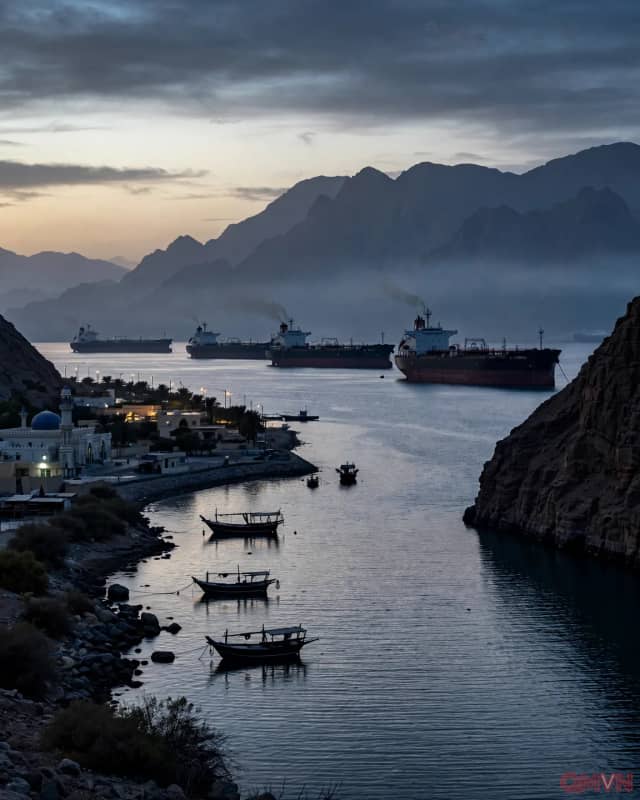
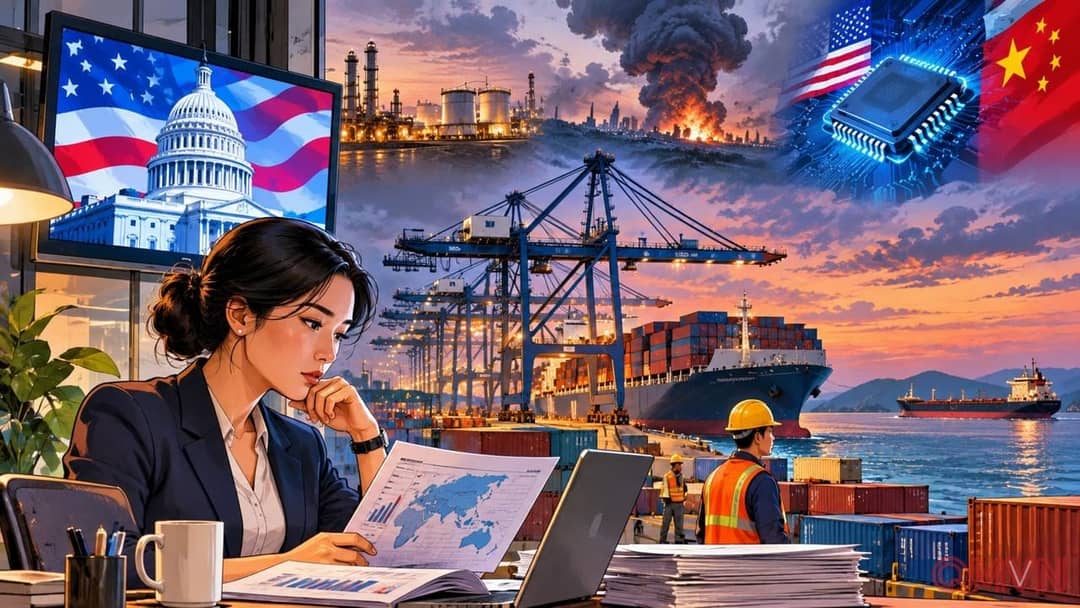
The importance of these elections goes beyond domestic American politics. Asian economies buy large volumes of Gulf oil and gas, much of it shipped through the Strait of Hormuz. Al Jazeera reports that disruption linked to the Iran war has increased pressure on fuel supply, transport costs and household budgets. When energy becomes less reliable, inflation and industrial competitiveness are affected together.
The Philippines faces particular exposure because of its dependence on Gulf crude. Smaller economies such as Cambodia, Laos and Timor-Leste have limited room to absorb larger import bills, while other governments have spent heavily on subsidies. Circumstances differ by country, but the common challenge is how to protect consumers without exhausting public finances or foreign currency reserves.
A Democratic-led Congress could summon officials, hold inquiries and question the conduct and costs of military operations. Such oversight matters, but it is not the same as ending a conflict. Legislation restricting the president would face negotiations and potentially a veto, which requires extraordinary congressional support to override.