MAIN CONTENT
An electricity grid designed to withstand disruption
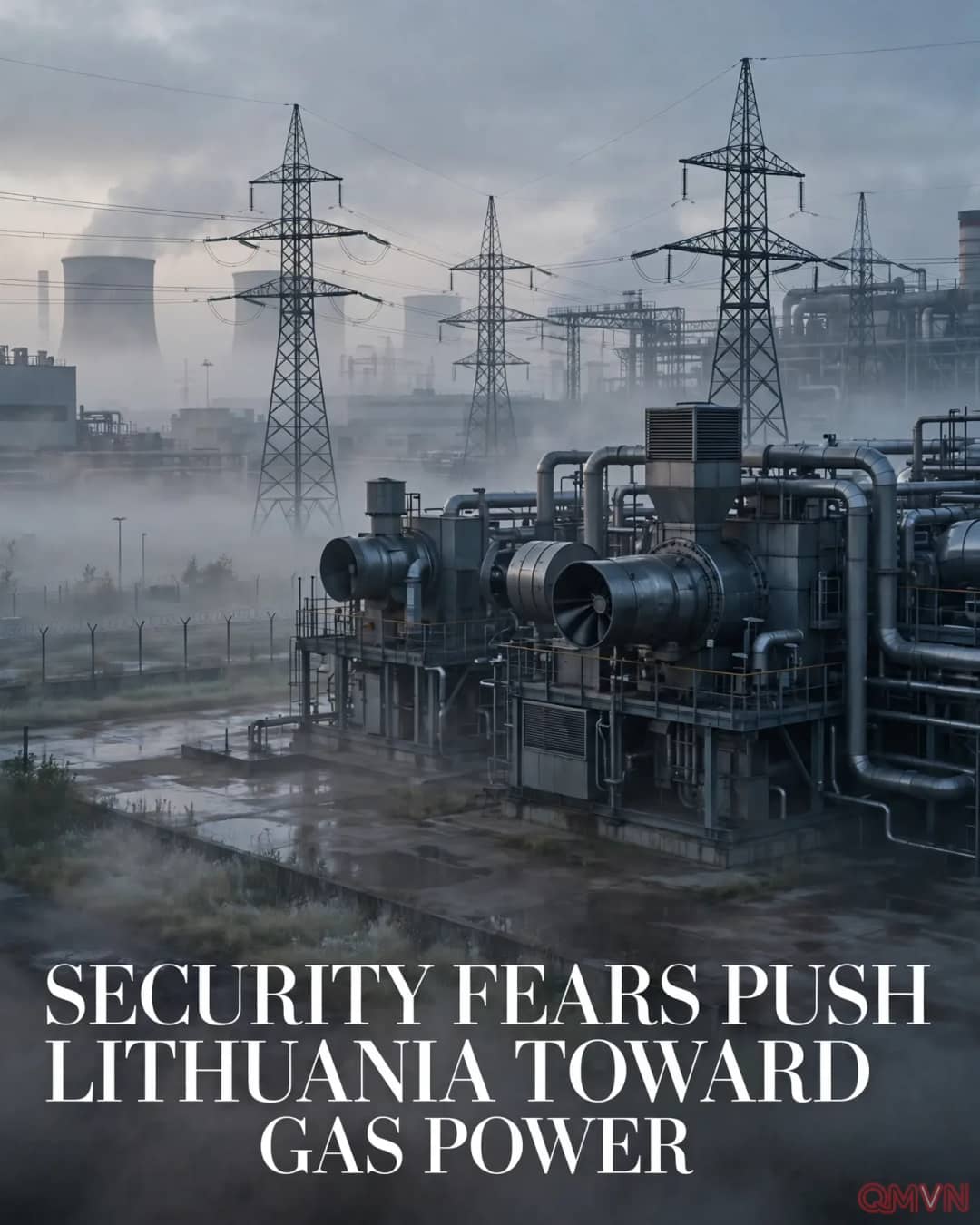
The proposal responds to a changing definition of energy security. For a country bordering Russia and Belarus, a blackout caused by sabotage, cyberattack or severe weather is not merely a technical inconvenience. Hospitals, communications, water systems and the wider economy depend on electricity continuing to flow even when a central transmission link is damaged. Litgrid’s proposed “energy islands” would separate the national network into seven regional areas able to serve essential demand temporarily without relying on the main grid.
The concept draws lessons from Ukraine’s wartime management of disrupted infrastructure. Lithuania envisages the first, partial capability in four regions by 2028, using upgraded existing facilities, with at least seven regional islands expected from 2033. That timetable matters: announcing generation capacity is easier than guaranteeing the controls, fuel deliveries, staff and coordination needed to operate a fragmented system during a real emergency. The test is not simply whether a plant can start, but whether the surrounding network can remain stable.
Why gas is in the picture
Litgrid wants emergency generators able to start within 30 minutes, vary output rapidly and remain operational for two weeks. Wind and solar energy remain central to Lithuania’s long-term strategy, but their output depends on weather; conventional batteries cannot yet economically cover every extended period of weak wind and sun.