MAIN ARTICLE
Four vessels, but an incomplete picture
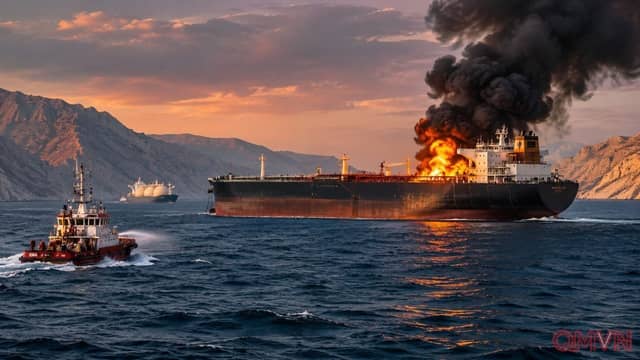
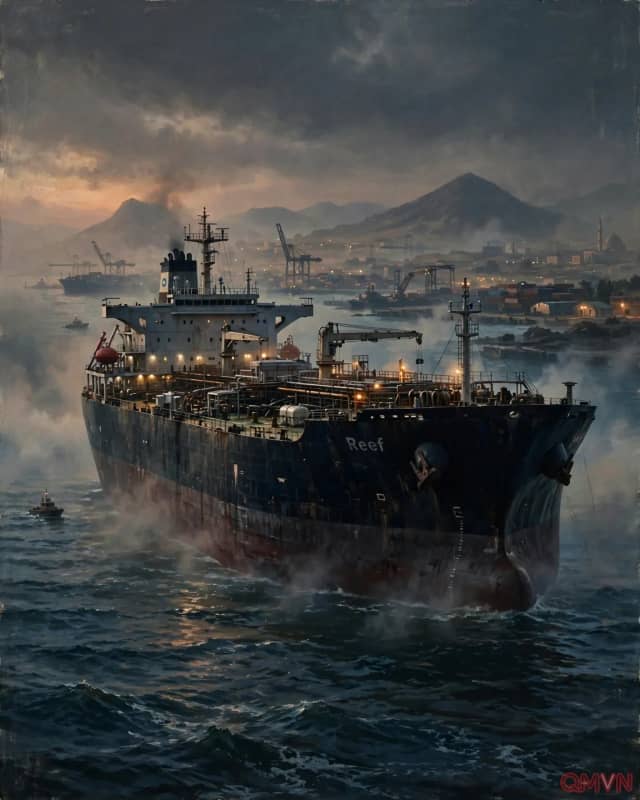
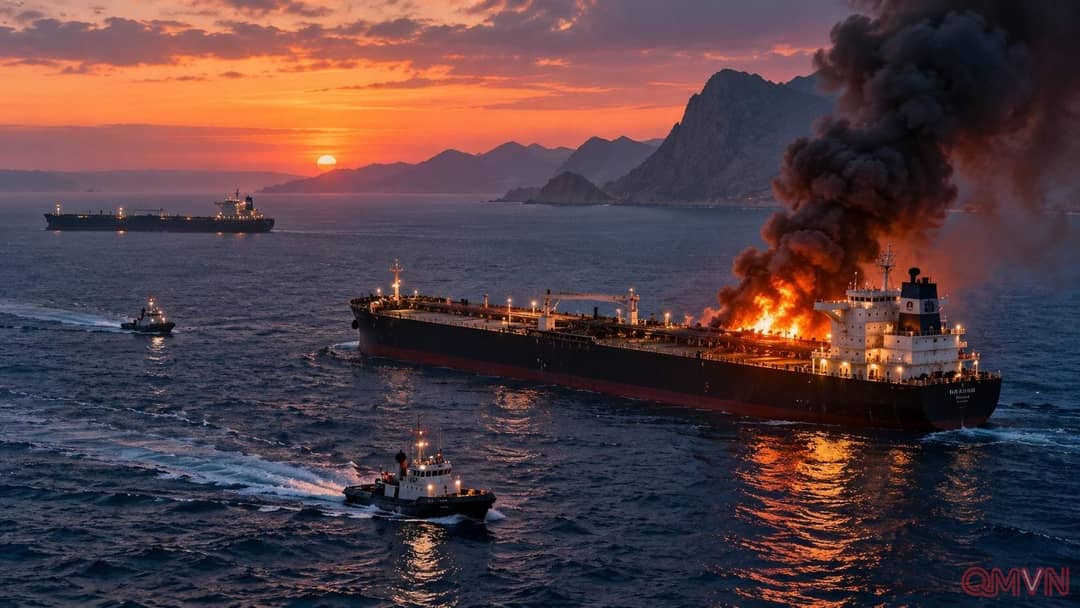
In statements on October 29, Iran's Islamic Revolutionary Guard Corps (IRGC) said three tankers struck mines while using a southern route it described as unauthorized. Iran's armed forces subsequently said a fourth vessel caught fire east of the strait. These accounts are assertions by a party to the conflict; public independent evidence has not established the cause of all four reported incidents.
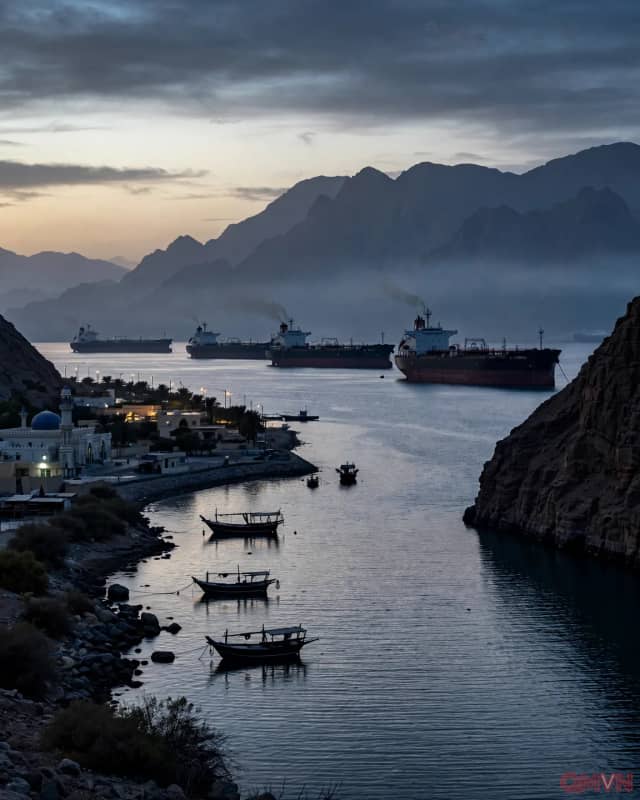
UKMTO's own incident log confirms serious maritime warnings on October 29, including a vessel reported ablaze near Khasab, a tanker hit by an unidentified projectile and another suspicious incident. Its initial notice for a fire roughly 25 nautical miles northeast of Khasab said the cause was unknown. Several warnings in the same area are not, by themselves, proof of one weapon or attacker.
A disputed clearance operation
U.S. Central Command (CENTCOM) says its forces have worked to clear mines and restore usable routes through Hormuz. Iran contests the American description of the main lanes as safe and demands independent evidence.
The disagreement matters operationally: ship masters cannot safely base navigation decisions on political announcements alone.
Actual confidence requires surveys, navigational intelligence, coordinated alerts and reliable rescue capacity. Shipowners also face the costs of war-risk insurance, fuel, delays and legal duties toward crews. Iran's description of a passage as unauthorized is its position; it does not, by itself, settle questions under international maritime law.
Pressure spreads to Saudi Arabia as diplomacy continues
Yemen's Houthi movement claimed multiple strikes on Saudi airports and oil facilities around the same period. Saudi officials reported intercepting threats but did not independently confirm every attack as described by the Houthis. Competing claims demand careful separation of allegations from independently established damage.
According to reports cited by CNBC, U.S. Vice President JD Vance conveyed a proposal for talks to Iran through Qatari intermediaries. Meanwhile, U.S. news outlets reported military options were discussed with President Donald Trump. Reviewing possible operations is not the same as ordering an attack, but simultaneous military and diplomatic signals make the outlook unusually fragile.
Why shipping crews and energy buyers are watching
In ordinary circumstances, Hormuz handles a substantial share—often described as around one-fifth—of global oil or energy flows. Even unconfirmed reports of mines can alter vessel routing, insurance pricing and buyers' hedging decisions. A market price jump, however, does not automatically mean that a lasting physical shortage will follow.
For crews operating near Oman, the stakes extend well beyond an oil price chart. Orders to proceed or wait can determine their exposure to danger. Independent verification, rapid incident reporting and coordinated emergency assistance should therefore take priority over competing declarations of victory or control.