MAIN CONTENT
Numbers reveal a catastrophe beneath the surface
Dragon Search SA’s analysis found that 1,524 weedy sea dragons made up most recorded sea-dragon deaths. Pipefishes and seahorses washed ashore mainly in winter and spring 2025, but dead sea dragons continued appearing for more than a year. Researchers describe it as the largest documented mortality event for this family worldwide.
Strandings almost certainly understate the true loss. Bodies can sink, be consumed, drift beyond survey areas or disappear within hours. Sea dragons are naturally difficult to observe and scattered, so each record is both an individual death and a warning from a population that is itself hard to count.
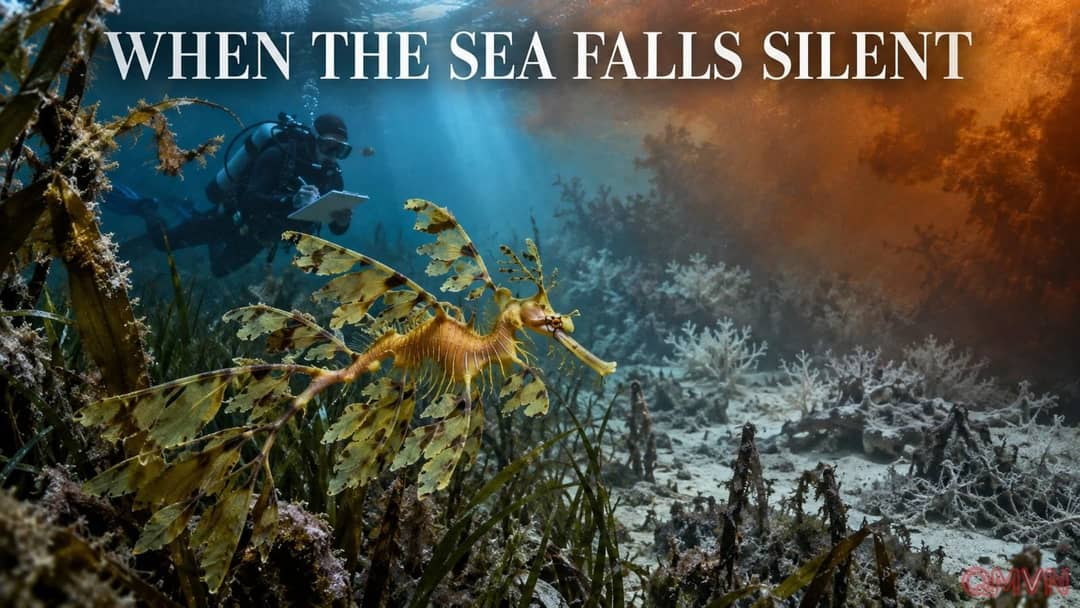
“South Australia’s leafy sea dragon population has probably been severely reduced.” - David Booth. The warning matters because the state is the species’ global center. The weedy sea dragon was also recently listed as vulnerable by IUCN, while the leafy sea dragon’s status is under reassessment.
Habitat loss extends mortality across generations
Karenia cristata can directly poison marine life, but harm does not end when algal concentrations fall. The bloom damaged rocky reefs, kelp, seagrass and sponges.