Profit down 9%
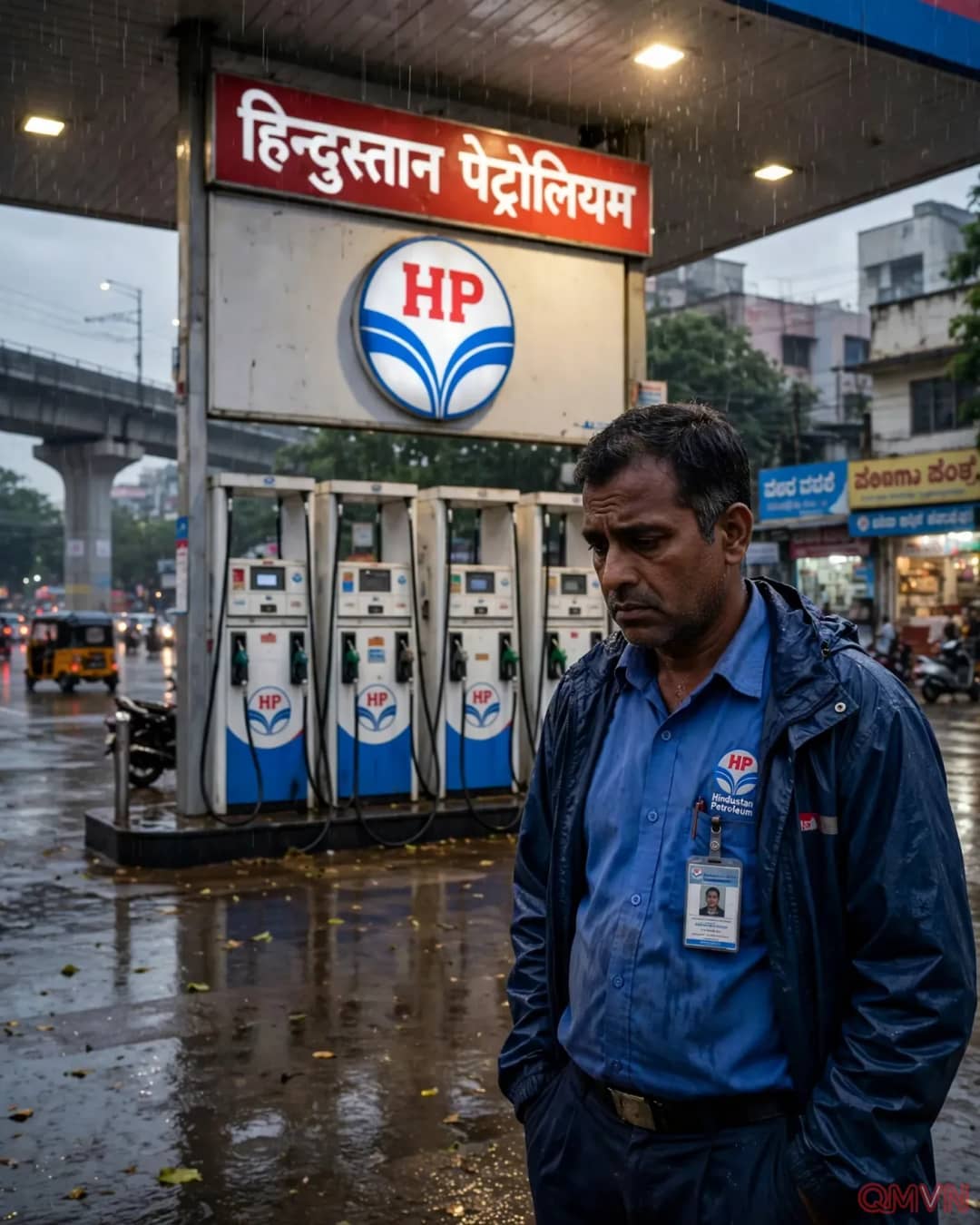
HPCL’s results clearly reflect the pressure from high global energy prices. Key figures: The figures show that rising revenue did not translate into higher profit, as costs grew faster than sales.
- Standalone net profit fell to 34.83 billion rupees from 38.30 billion rupees a year earlier.
- Total expenses rose 25.9% to 1.33 trillion rupees, with the cost of raw materials consumed up 24.3%.
- Total tax expenses more than doubled to 32.85 billion rupees.
- Revenue from the sale of products rose 26.2% to 1.39 trillion rupees.
Negative retail margins
Average Brent prices in the quarter rose nearly 40% year on year because of the prolonged Iran war and the Russia-Ukraine conflict. That dragged down the marketing margins of oil marketing companies as the cost of supplying fuel exceeded revenue from selling it.
Analysts at Elara Capital estimated retail diesel margins for these companies at negative 24 rupees per litre, against positive 5 rupees a year earlier, while gasoline margins were pegged at negative 2 rupees per litre against positive 9 rupees last year. Such losses are typical when governments keep retail prices steady during price spikes, effectively asking state firms to absorb part of the shock to protect consumers.
A bright spot in refining
By contrast, HPCL’s average gross refining margin for April-September improved to $27.89 per barrel from $5.95 a year earlier, aided by gains on lower-cost crude inventories. A refiner records an inventory gain when the market price of crude rises above the price at which it bought its crude stock.
Revenue was also supported by 39.60 billion rupees of compensation from the Indian government for losses on selling domestic liquefied petroleum gas (LPG) below cost during April-September. Analysts caution that inventory gains can reverse quickly if crude prices fall, so the strong refining numbers may not be repeated in coming quarters.
Kicking off the state firms’ earnings season
HPCL is the first of the state fuel retailers, including BPCL and Indian Oil, to report July-September results. The figures are seen as a guide to the wider sector, as these companies benefit from high refining margins but lose out in retail because domestic selling prices have not kept pace with global crude. Investors will be watching whether the government raises retail prices or increases compensation, as either decision would reshape the earnings outlook for the sector in the months ahead.