MAIN STORY
The first-time voter and the search for security
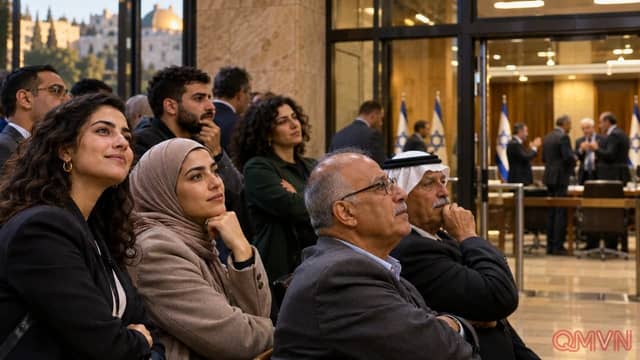
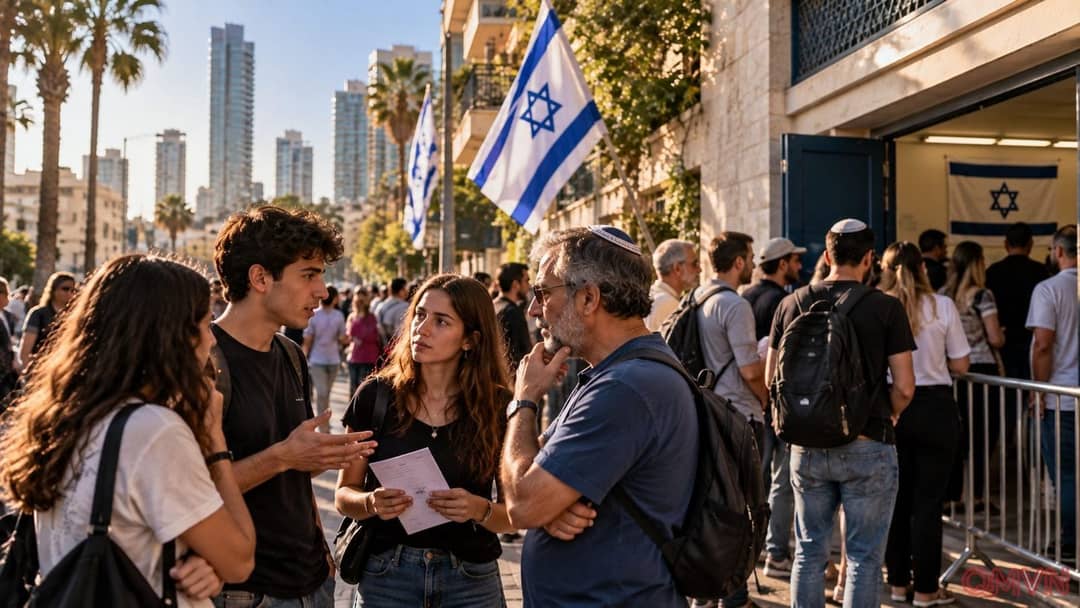
Gavriel Marmon, an 18-year-old student from Beit Shemesh, told Reuters that he once considered Ben-Gvir extreme but reconsidered after listening to his arguments. One interview cannot represent an entire generation. It does, however, illustrate how a security-first message can resonate with people whose political lives have been shaped by war and a profound sense of vulnerability.
Agam Labs at Hebrew University found that Jewish Power supporters tend to be younger than the average Israeli voter and that up to one-third of its supporters may be voting for the first time. This does not establish that young Israelis as a whole support the far right; it describes the composition of one party’s electorate.
Even in traditionally liberal Tel Aviv, some voters find reassurance in the expansion of firearms permits. Odelia Kedmi, whose sister survived the attack on the Nova music festival, described the policy to Reuters as restoring a sense of breathing room. Her testimony reflects a lived fear, not a universal verdict on the measure.
Coalition arithmetic could magnify a small party
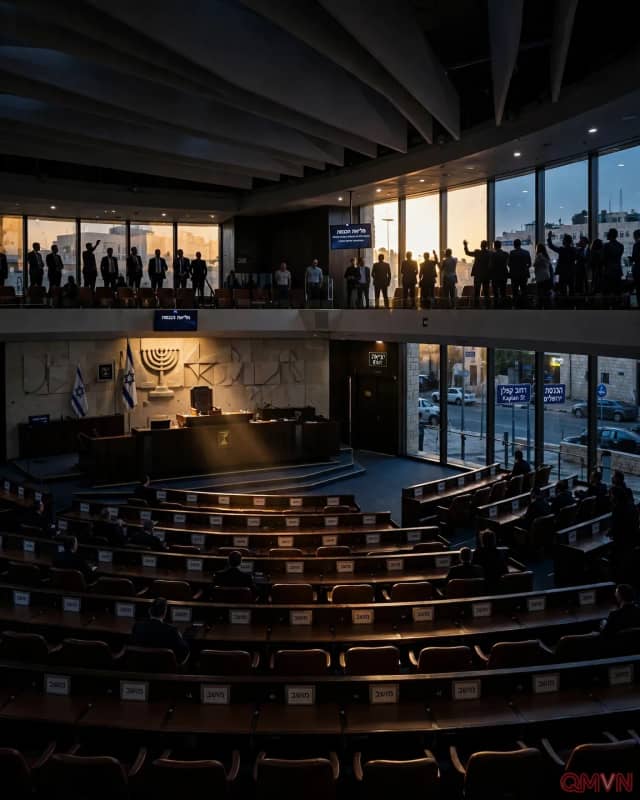
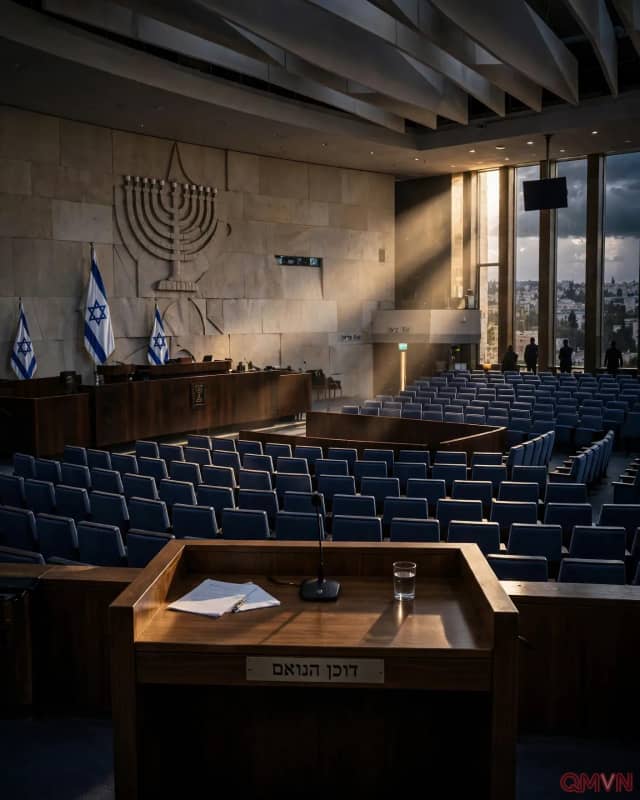
The Knesset contains 120 members, making 61 the threshold for a parliamentary majority. Pre-election polling cited by Reuters gives neither Netanyahu’s coalition nor the principal Jewish-led opposition parties a clear path to that number. Likud itself is expected to lose a substantial share of the 32 seats it held.
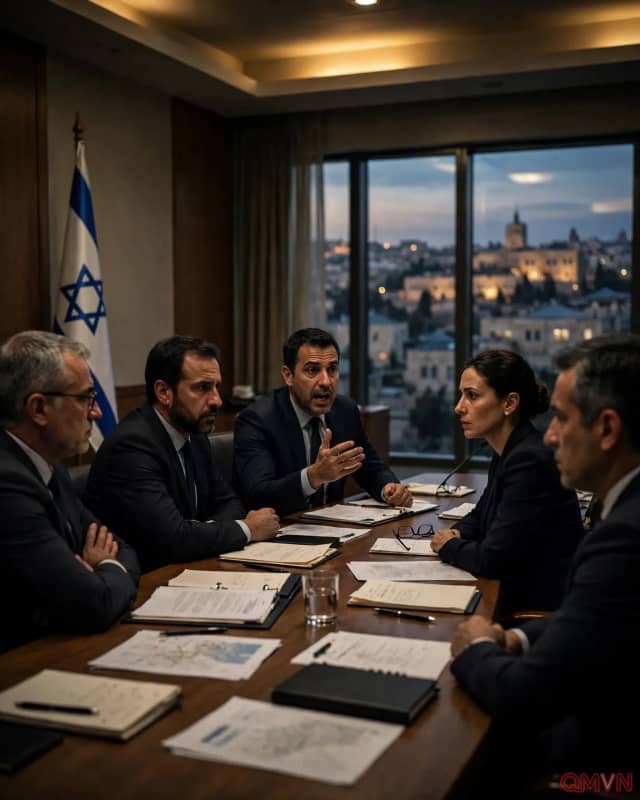
In 2022, Jewish Power depended on an electoral alliance with other far-right parties. Its projected eight or more seats as a standalone list would mark a notable change and could provide leverage in coalition talks. Polls are not results, however: turnout, late swings and post-election negotiations all matter.
The right is also divided over exemptions from military service for religious students, a question that has angered some nationalist voters and reservist families. Those tensions make the final governing equation more complicated than any one party’s projected tally.
The legal and moral controversy surrounding Ben-Gvir
Ben-Gvir has championed harsher treatment of Palestinian prisoners and the widening of civilian gun permits. Reuters reported that a law enacted in March makes hanging the default sentence for certain Palestinians convicted of attacks against Israelis. Legal challenges are expected, in part because of concerns about unequal application of punishment.
The minister was convicted in Israel in 2007 of racist incitement and supporting a banned organization. His statements about Gaza and treatment of detained activists have continued to draw criticism. Britain, Australia, Canada, New Zealand and Norway sanctioned him and Finance Minister Bezalel Smotrich in 2025, citing incitement of violence in the West Bank.
Supporters describe toughness as necessary deterrence; critics warn it can weaken equal protection and deepen conflict. These are competing political judgments, but the underlying questions of due process and human rights warrant scrutiny regardless of electoral popularity.
The choices awaiting Israeli voters
At a Tel Aviv event, Ben-Gvir urged national pride and called for the conquest of Gaza, drawing cheers from his audience, according to Reuters. Those comments express his stated political position, not a policy unanimously adopted by Israel’s government.
Opposition parties and advocates of a two-state solution face their own difficult challenge: articulating a credible security strategy while defending Palestinian rights and democratic safeguards. The movement of some young voters toward maximalist positions makes the civic consequences of wartime experiences especially important.
The October 27 vote will show whether Jewish Power’s polling momentum translates into seats. What is already clear is that the contest is as much about the meaning of security and citizenship as about the identity of the next prime minister.