MAIN ARTICLE
From the streets to a parliamentary majority
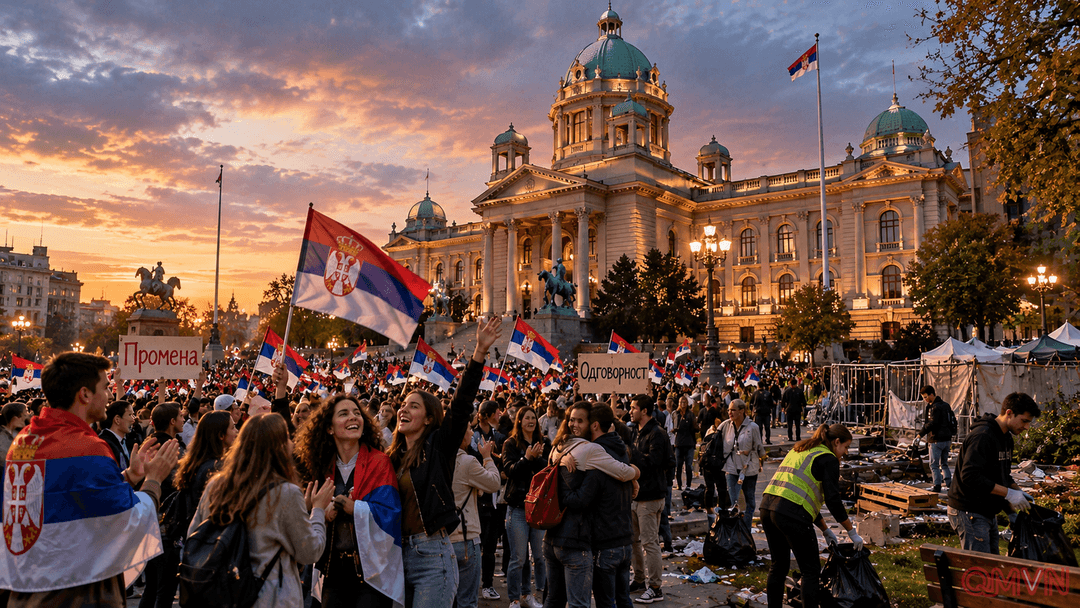
Flags, horns and spontaneous crowds filled Belgrade on election night. By Monday, Serbia was considering a different political order. Figures cited by Reuters, with almost 99% of votes counted, put the student-backed list decisively ahead. Its projected 139 seats exceed the 126 required for a majority in the 250-seat National Assembly. Still, the final results and constitutional steps toward forming a government must follow before the political transition is complete.
Winning an election and exercising public power are different tasks. A protest coalition can unite people behind replacing an administration, then encounter difficult choices on appointments, public spending and competing priorities. Attention is moving from the margins of victory to whether the winners can negotiate, decide and account openly for those decisions.
The candidates include academics, professionals and people from varied walks of life. That breadth gives the list a claim to represent citizens beyond a conventional party structure, but it also makes agreed decision-making rules essential. An electoral list rather than an established political machine now carries the weight of reform expectations.