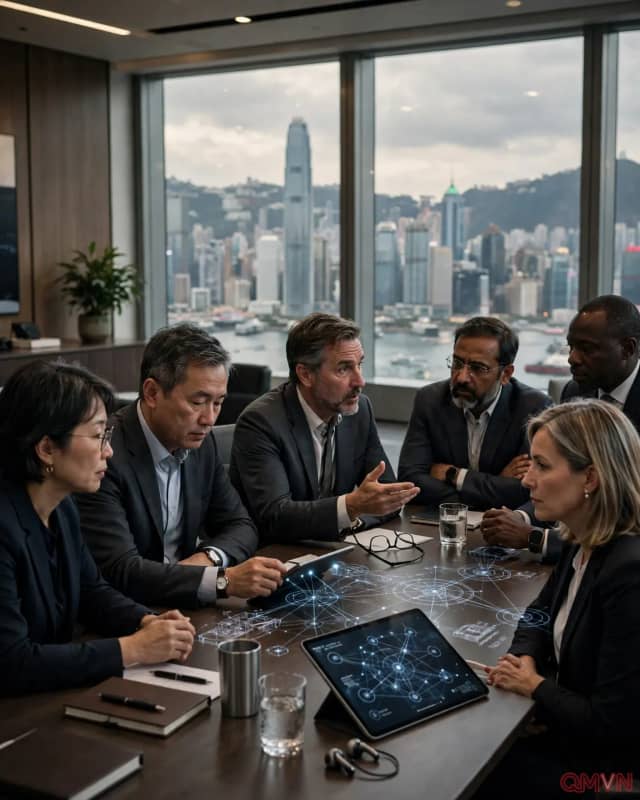
Deepening division in Silicon Valley's tech community
In recent weeks, Chinese startups like Z.ai and Moonshot AI have launched competitive AI models directly challenging products from U.S. tech labs. This has sparked debate among major tech companies in Silicon Valley about AI development and control methods.
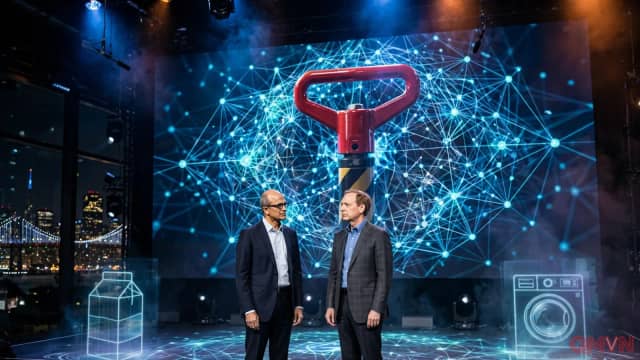
Companies like Anthropic and OpenAI advocate strict AI technology regulation to ensure safety and prevent potential risks. Conversely, Microsoft and Nvidia support open-source AI models, believing that information openness will drive creativity and rapid development in this field.
Tensions rising due to Chinese startups' advancements
The rapid development of open-source AI models by Chinese startups has raised concerns among US companies, who accuse Chinese businesses of using illegal data and stealing intellectual property. In response to this situation, many large US corporations have lobbied to push for legal measures protecting American intellectual property rights.
High-ranking US officials, including Treasury Secretary Scott Bessent, are considering imposing sanctions on Chinese companies operating in the AI sector, aiming to prevent the supply and access to this technology.
Debate between Security and Innovation
Meanwhile, there are still voices supporting the open AI development model, arguing that widespread information sharing will accelerate AI development and make it safer. They oppose information restrictions, viewing them as obstacles to technological progress.
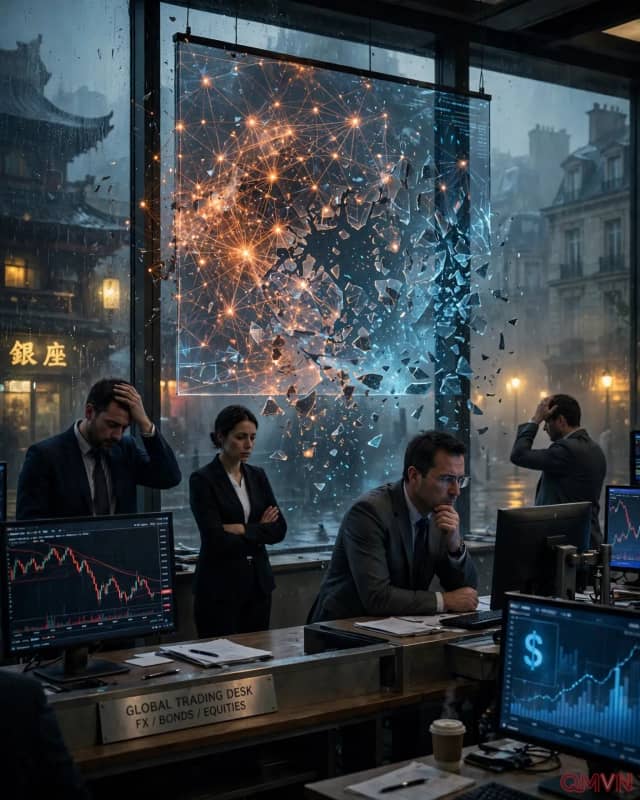
This debate not only affects the direction of the US tech industry but may also impact future trade relations and technological development between the US and China.
For many years, the controversy over AI software development methods has divided tech experts in Silicon Valley, and this conflict has become even more intense as Chinese companies compete to develop competitive models.
Balancing safety and innovation in AI is currently a major challenge for regulators and businesses, especially as the technology industry is developing at an unprecedented pace.
Key Takeaways from the Article
- The Silicon Valley is divided on how to regulate AI between safety and innovation.
- Chinese startups have launched competitive AI models challenging U.S. technology, creating tension in the industry.
- U.S. companies accuse intellectual property violations and lobby for stricter controls.
- The U.S. government is considering sanctions against Chinese AI companies to protect national interests.
- There are opinions supporting the open-source AI model to accelerate development and enhance safety further.
The article was edited with the support of artificial intelligence. Synthesized from reliable news sources. Reviewed by the editorial office of Quang Minh Vietnam.
Subscribe to the QMVN newsletter
A daily morning digest - only stories worth reading, no spam.