MAIN CONTENT
A comeback changes market sentiment
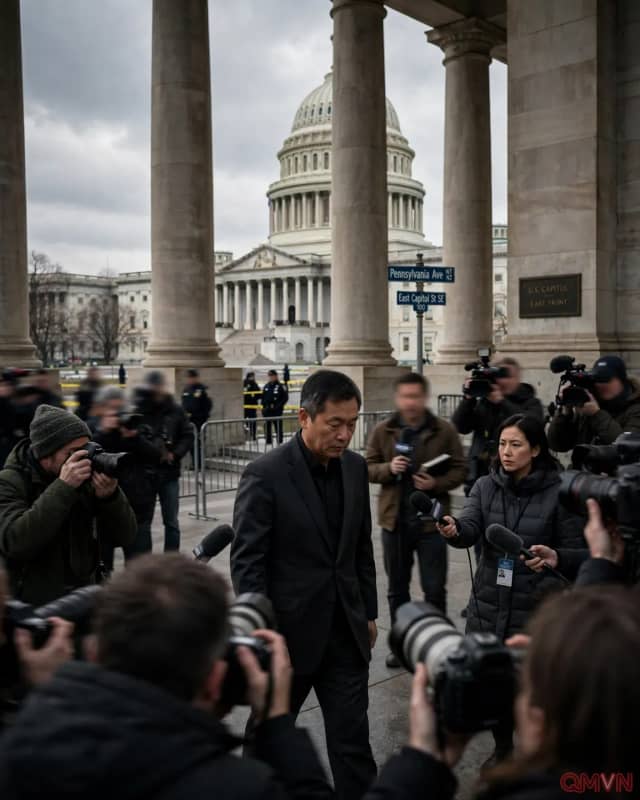
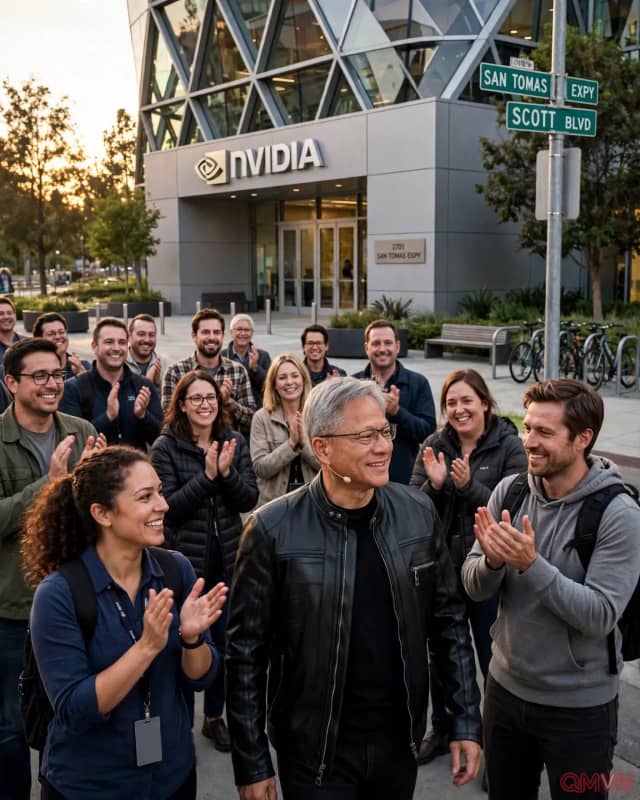
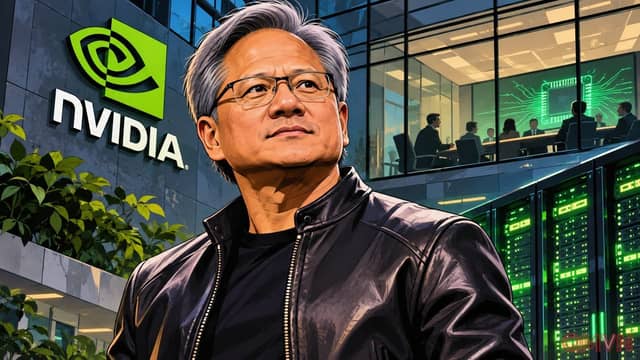
Reuters and AP confirmed on November 23 that Nvidia reversed its leadership decision following appeals from the White House. Huang had stepped down on November 12, with chief financial officer Colette Kress taking temporary charge. The board's rapid change of position illustrates the pressure that can accumulate when leadership uncertainty undermines investor confidence.
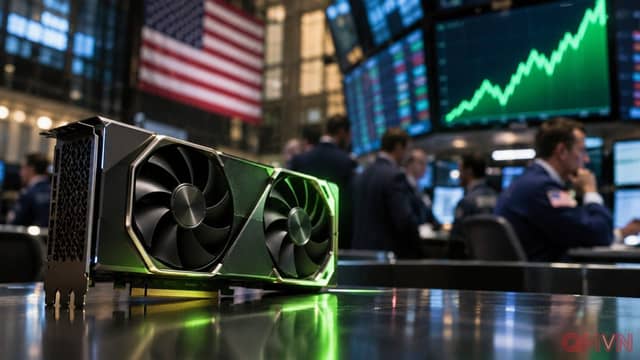
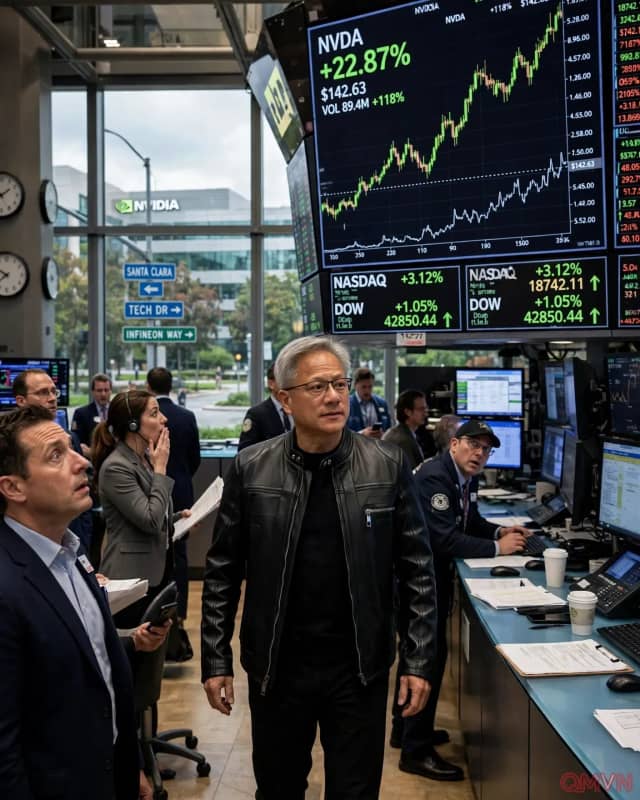
According to The Guardian, Nvidia shares surged roughly 32% at one point during Monday's trading, restoring hundreds of billions of dollars in market capitalization. That increase does not represent new cash flowing into the company; it reflects investors' changing assessment of its future value. The distinction matters when evaluating the underlying health of a business.
Founder power and the White House
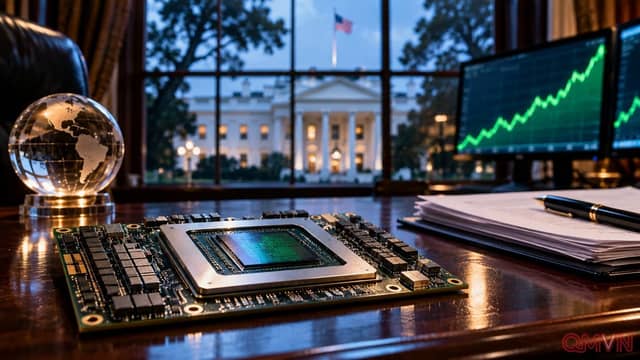
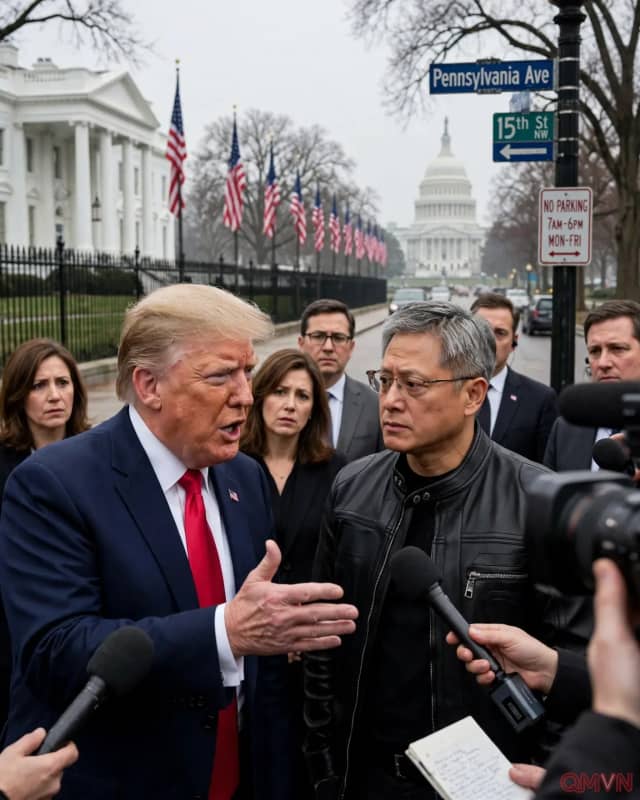
Trump said he had communicated with Nvidia's directors and persuaded them to bring Huang back. The president emphasized the chipmaker's contribution to American technological competitiveness.
Nvidia's official announcement, meanwhile, indicated that its board had confidence in Huang's leadership and had received input from senior government officials.
Political involvement does not remove directors' obligations to shareholders. A credible governance decision requires a clear rationale, independent assessment and accountability. Even when the government's economic ambitions and shareholders' interests coincide, the two institutions retain distinct responsibilities.
Security questions remain open
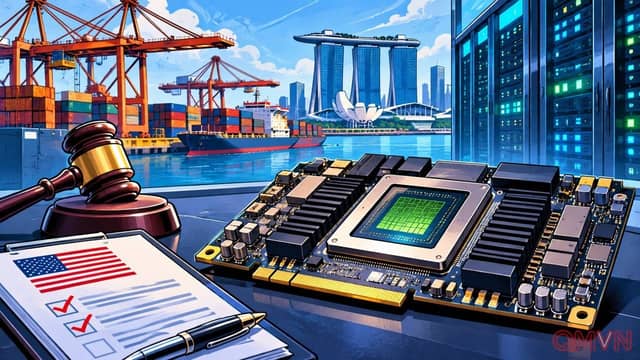
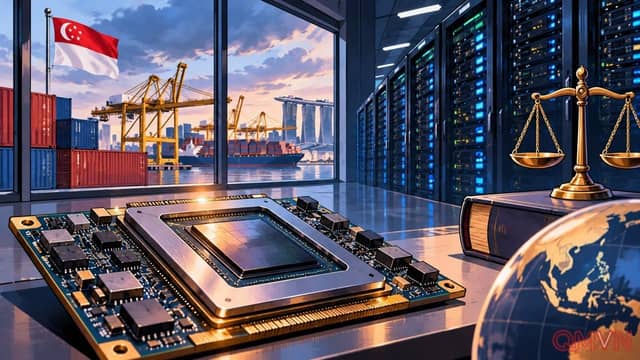
The controversy surrounding Nvidia also touches on restrictions on advanced semiconductor exports. NPR reported that US authorities began investigating Megaspeed in 2024 over suspected export-control violations. Questions about where products ultimately went must be distinguished from evidence establishing individual responsibility. An ongoing investigation is not a finding of guilt.
Nvidia says its independent investigation will continue. Its November 23 announcement also described a committee composed of independent directors overseeing national security and export controls. This offers an opportunity to strengthen oversight, although the committee's actual effectiveness will depend on its authority and the transparency of its work.
A challenge bigger than the CEO's office
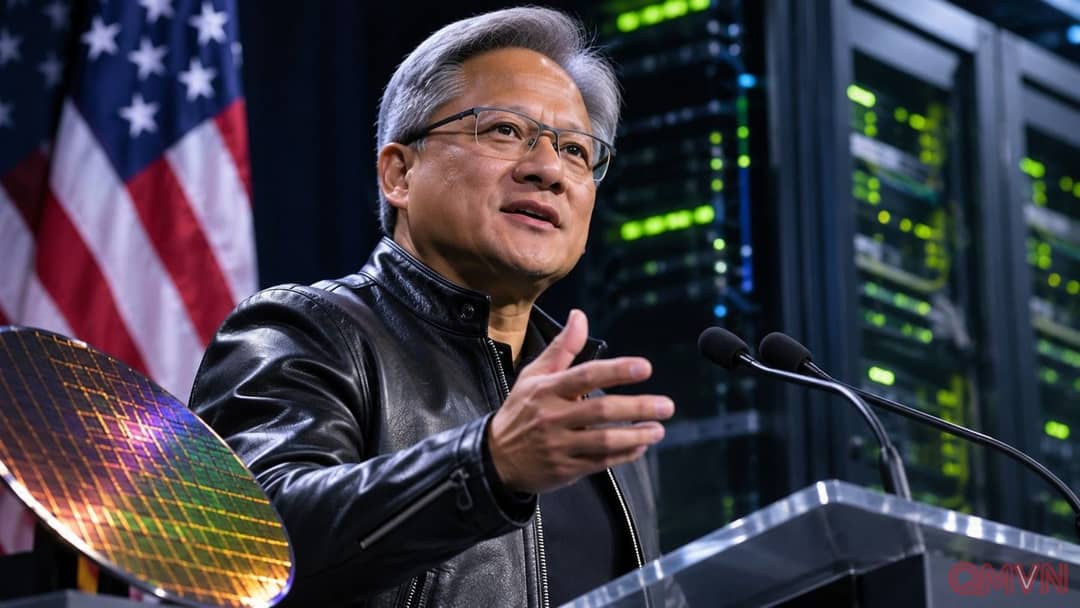
Nvidia sells more than graphics processors. Its CUDA software ecosystem, networking equipment and computing systems help companies build AI data centers. Uncertainty over its strategy could therefore affect customers' investment plans and global supply chains. Those capabilities, however, were created by teams of engineers, researchers and partners rather than by one individual alone.
Several indicators deserve particular attention in the coming months:
Whether Nvidia maintains its product roadmap and meets customer commitments.
The independence of oversight and the disclosure of investigative findings.
Whether succession planning ensures continuity of operations.
A share-price rally may relieve immediate anxiety, but only sustained management performance can establish lasting confidence. That is a test not just for Nvidia, but for technology companies that increasingly provide essential infrastructure for the wider economy. Investors and customers need to know that the systems they depend on can withstand unexpected changes at the top.