A hero’s welcome
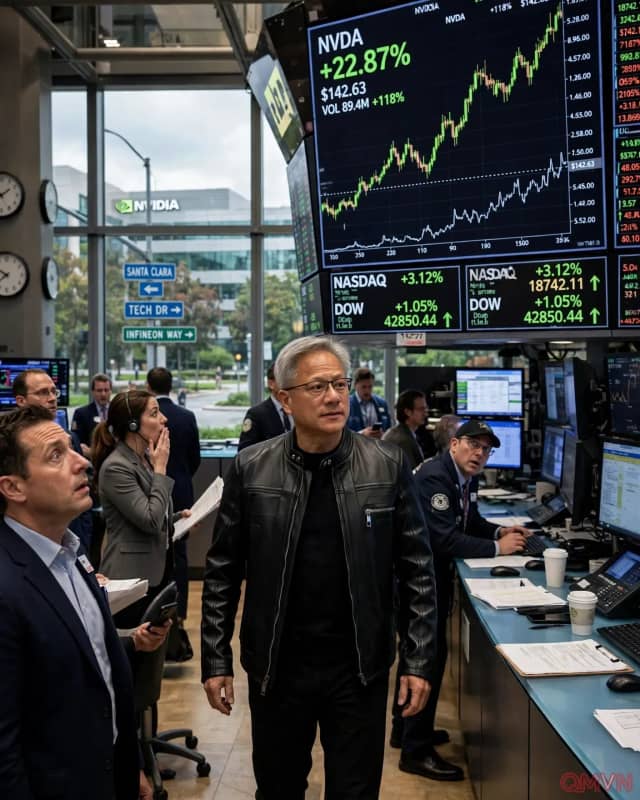
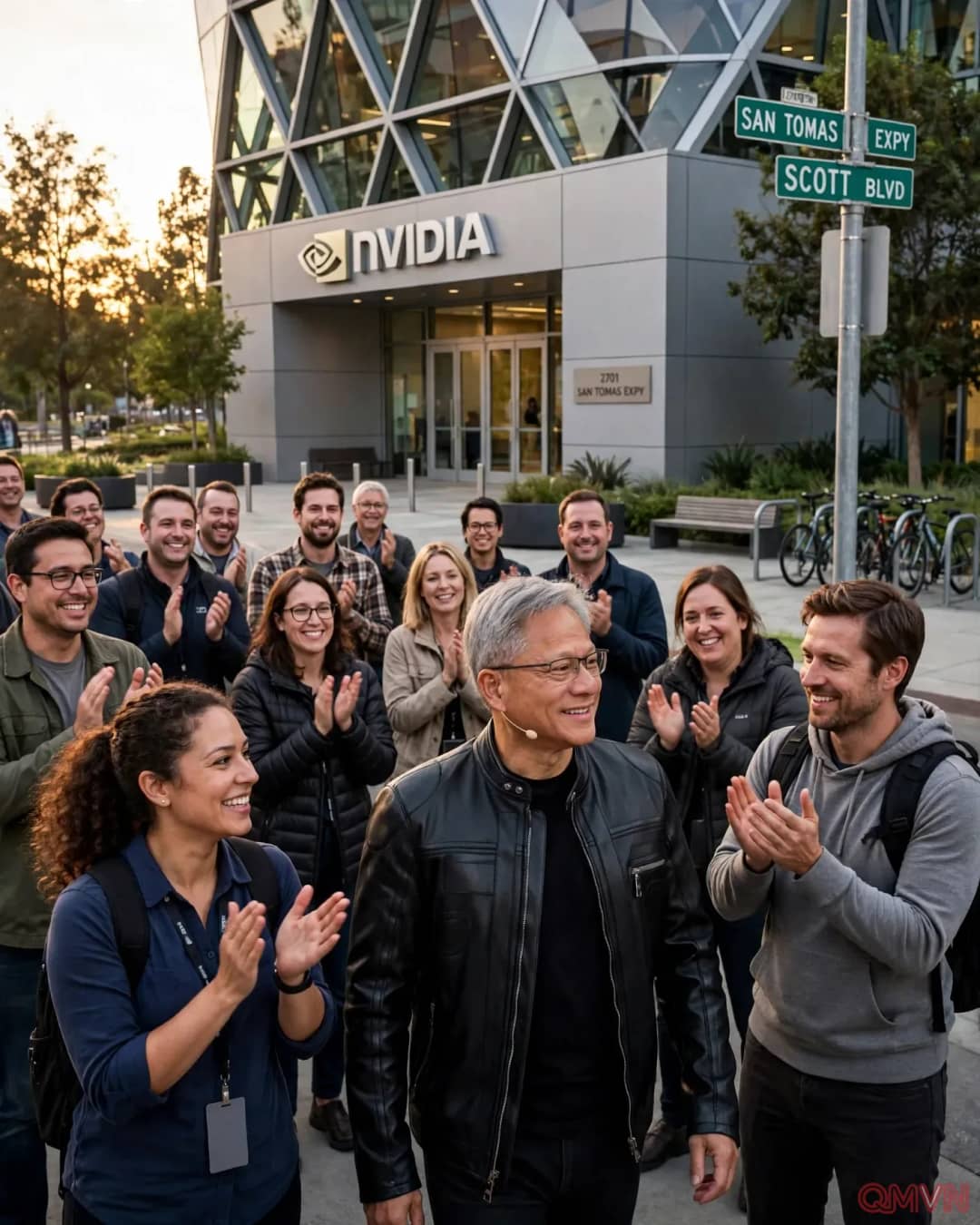
As Huang entered Nvidia’s Silicon Valley office in his signature dark outfit, crowds of employees rushed to greet him, clapping, hollering and chanting "Jensen, Jensen, Jensen!". According to several verified videos posted on social media, he told staff he would be a better CEO the second time around, and the crowd erupted.
The celebration spilled onto social media. One Nvidia research scientist likened him to a returning savior, while AI researcher Jim Fan borrowed an image from Charles Dickens’s A Tale of Two Cities to describe the shift from a "winter of despair" to a "spring of hope". For many inside the company, it was the return of Nvidia’s soul.
The White House celebrates
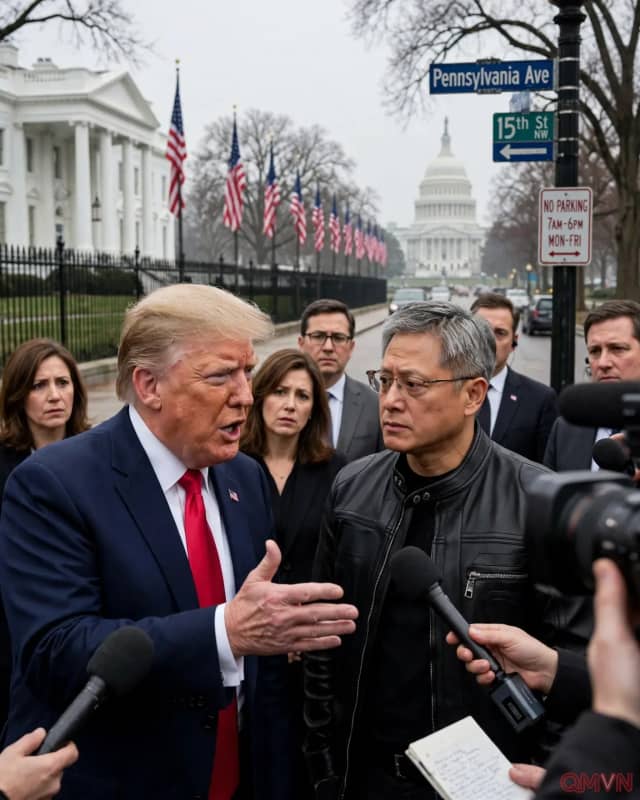
As Nvidia employees rejoiced, the White House took its own victory lap. According to Semafor, Trump dialed into the board’s Sunday meeting to advocate for Huang’s return. Nvidia said the decision was reached with "input from senior levels of the United States government".
After Huang’s reinstatement, Trump posted an AI-generated image recreating the moment he survived the 2024 assassination attempt, but with Huang at the center, an image that drew widespread criticism. White House communications director Steven Cheung said the president was "totally involved" and stressed that America has to protect its geniuses.
At the center of the AI boom
Tech leaders such as OpenAI’s Sam Altman and SpaceX’s Elon Musk cheered the news, and the stock market boomed. Nvidia shares jumped 32% after weeks of decline, adding more than $1tn in market value. Board chair Harvey Jones said Huang was the right person to lead the company.
Nvidia, which Huang co-founded, is worth about $4tn and the entire AI ecosystem relies on it. Its chips are used to train AI models and power companies such as OpenAI, Anthropic and Google. His return cements Huang’s role at the helm of the AI boom and suggests that, for now at least, he is almost untouchable.
"The graveyards are filled with irreplaceable people"
Not everyone shares the joy. Tulane University business professor Peter Ricchiuti said that while Huang is "the face" of the company, that should not be decisive, since it is hard to argue he is the only one who could handle the CEO role. He recalled a familiar saying:
The graveyards are filled with irreplaceable people.
Huang still faces several government and internal investigations, shareholder lawsuits and accusations of posing a national security threat. Supporters argue his vision is a priceless asset; skeptics worry about the message that power and markets can override accountability.
Congress demands transparency
Democratic Senator Jack Reed, a member of the Senate Banking Committee, called the abrupt reinstatement troubling on many levels, raising issues of ethics, misconduct, corruption, national security and the integrity of technology and military supply chains. He made specific demands:
- That Huang disclose all communications between himself and President Trump.
- That Nvidia’s board release a transcript of its call with the president.
- That it be made clear whether Nvidia is "too big to fail" or Huang was "too powerful to fire".
These demands signal that the coming congressional hearings will be about more than chips and China; they will also probe the relationship between political power and private business.