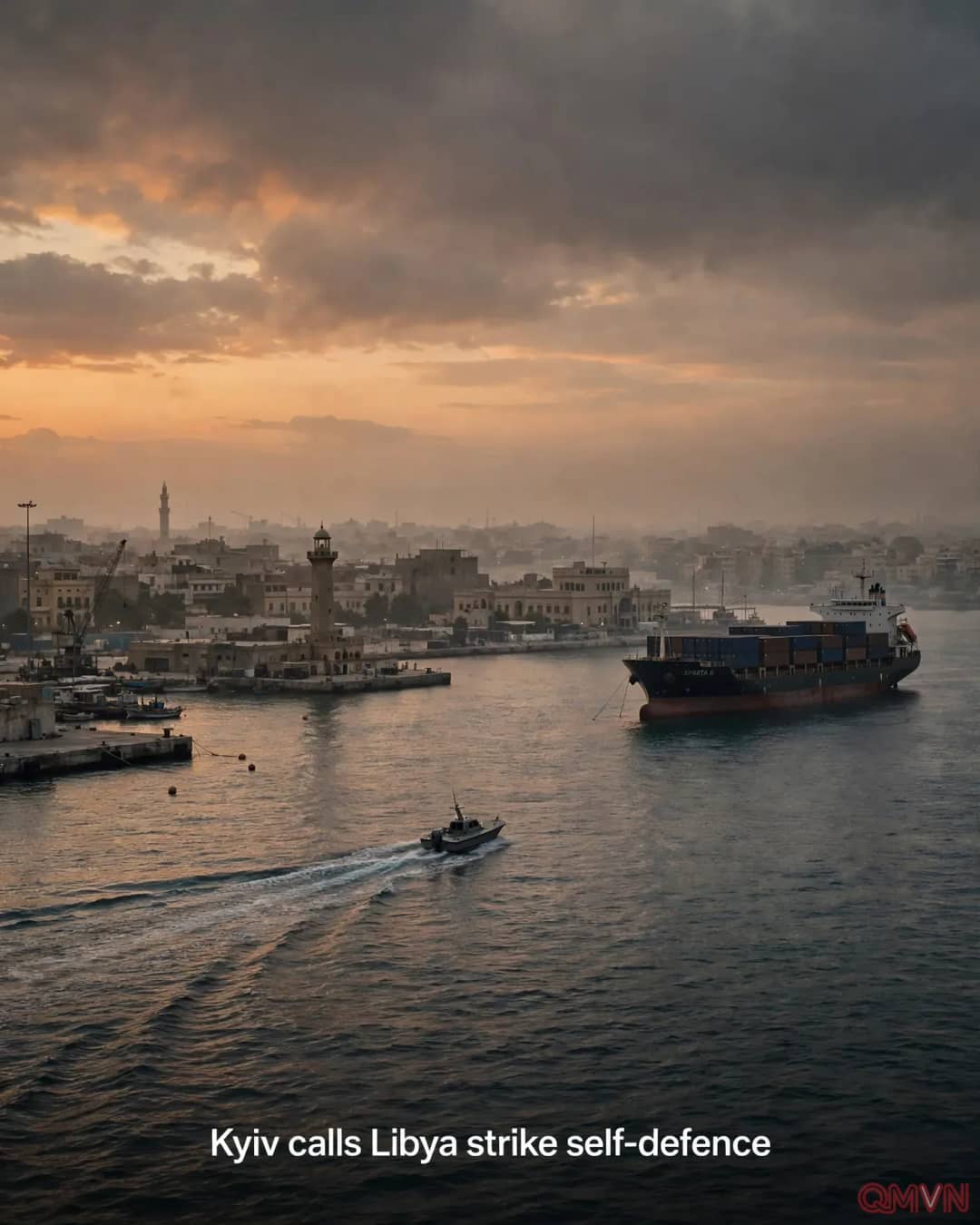
Two governments, competing legal arguments
Kyiv presents the operation as part of its response to Russia’s invasion. Sybiha argued that Russian military vessels and cargo ships carrying military equipment could be lawful targets, and that Ukraine’s actions were not directed against the Libyan population. He also accused Russia of putting other countries at risk by using their civilian infrastructure for military purposes. These are the Ukrainian government’s arguments, not findings of an international court.
Tripoli’s Government of National Unity rejected the operation. Its objection raises an issue distinct from the military status of the vessels: the territorial rights of Libya itself. A state may consider an action against another country’s forces unacceptable when it occurs within its jurisdiction. The competing statements illustrate why an assessment must address both the relationship between the belligerents and the rights of the third state.
The legal distinction that matters
Article 51 of the UN Charter preserves the right of individual and collective self-defence following an armed attack. Article 2(4), meanwhile, establishes the general prohibition on the threat or use of force against states.