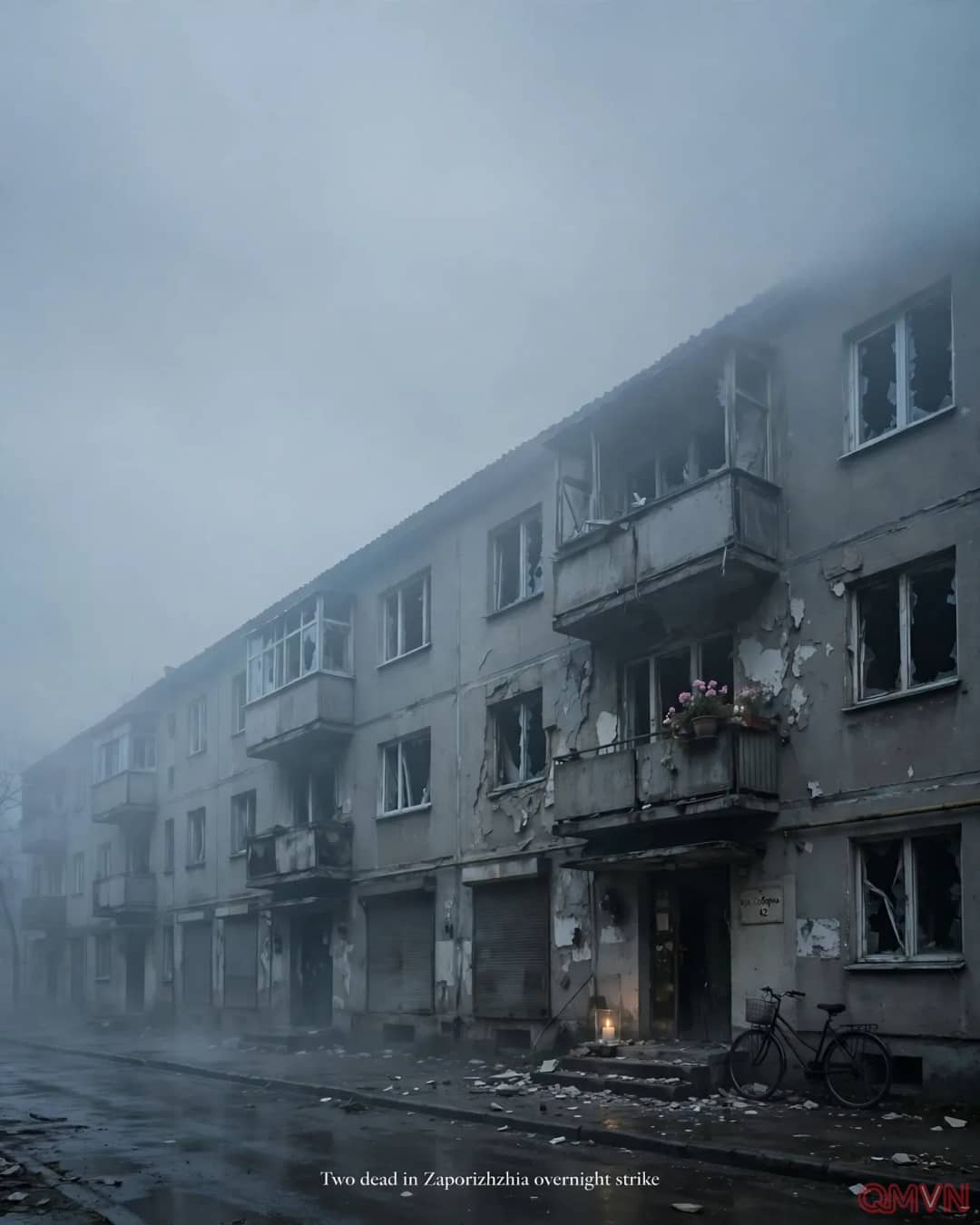
A city facing another emergency
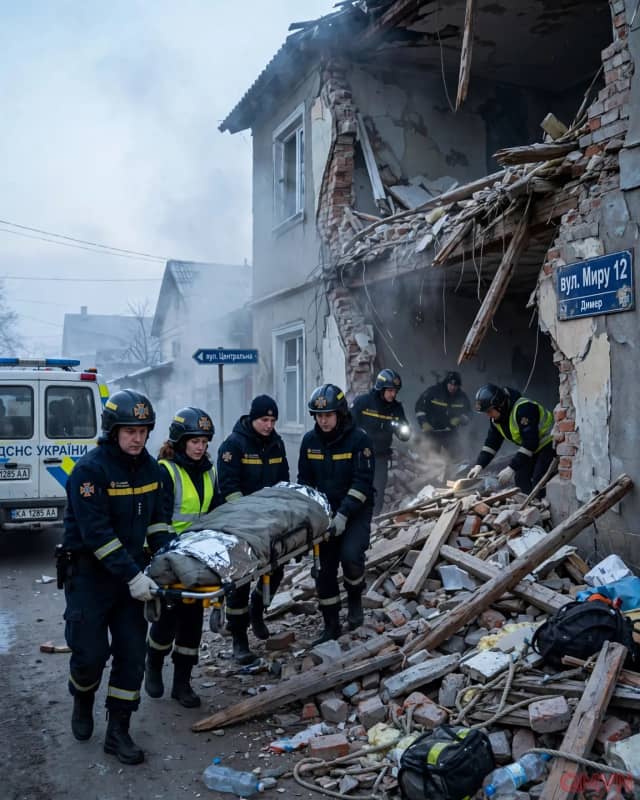
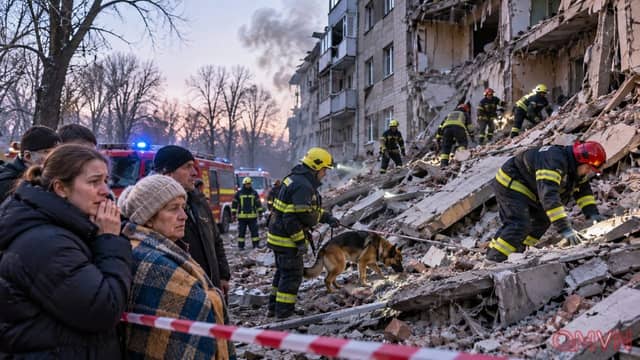
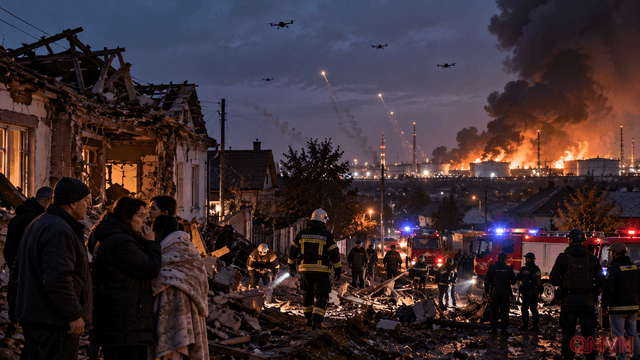
The destruction of residential property has left families facing immediate practical concerns. Reuters reported that images released by Semikin showed shattered windows and debris around an apartment building. Authorities also warned that people could be trapped beneath rubble. AP described extensive damage to a private home and a residential block. These reports convey the scale of disruption without establishing a complete inventory of losses.
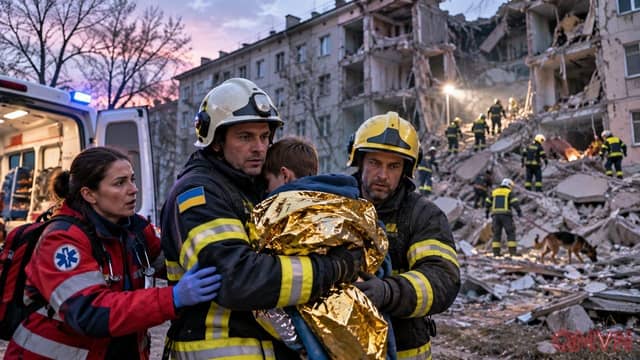
The consequences extend beyond physical injuries. Residents may need temporary accommodation, replacement documents, financial assistance and access to medical care. Damage to a home can also interrupt employment, education and family routines. Emergency response therefore needs to be followed by sustained support, especially for children, older people and those who cannot easily relocate.
What the changing figures tell us
The difference between Reuters’ earlier injury figure and AP’s later tally is an important reminder that information in a developing emergency is provisional. Hospitals and authorities may identify additional patients as assessments continue.
Both agencies reported two deaths and four injured children in their respective updated accounts. The figures should not be added together because they describe the same event.
Reliable public communication matters in these circumstances. Clearly identifying the reporting authority and the date of an update helps families and readers understand what is known. It also reduces the risk of turning an evolving assessment into a misleading definitive claim. Reuters noted that it could not independently verify the reports.
Civilian protection and accountability
Separately, Russia’s defence ministry claimed military successes in Ukraine’s Sumy region, according to Interfax as cited by Reuters. That claim concerns a different area and does not establish the target or justification of the Zaporizhzhia strike. Both countries deny deliberately targeting civilians.
International humanitarian law requires parties to distinguish civilians and civilian objects from military objectives, observe proportionality and take feasible precautions. The UN human rights office has repeatedly stressed the protection owed to civilians and civilian infrastructure in Ukraine. A damaged residential building is a serious humanitarian concern, but a definitive legal assessment requires evidence about the particular circumstances. Independent investigation and preservation of evidence are essential to accountability.
Recovery beyond the headlines
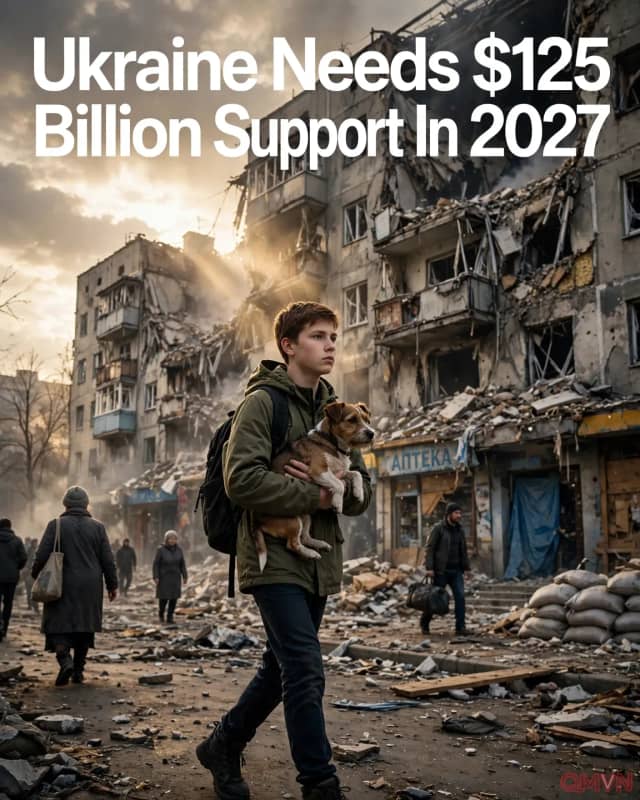
Rebuilding is not merely a question of replacing windows and repairing walls. The cumulative burden of repeated emergencies can undermine confidence in public services, strain household savings and deepen displacement. Recovery efforts must account for psychological well-being as well as physical reconstruction.
For humanitarian organisations, the challenge is to maintain reliable assistance while adapting to unpredictable demand. For local government, transparent damage assessments and equitable distribution of support can help residents regain stability. The international response must likewise consider the continuing needs of communities rather than treating each incident as an isolated news event.