From 18 Cows to Seven
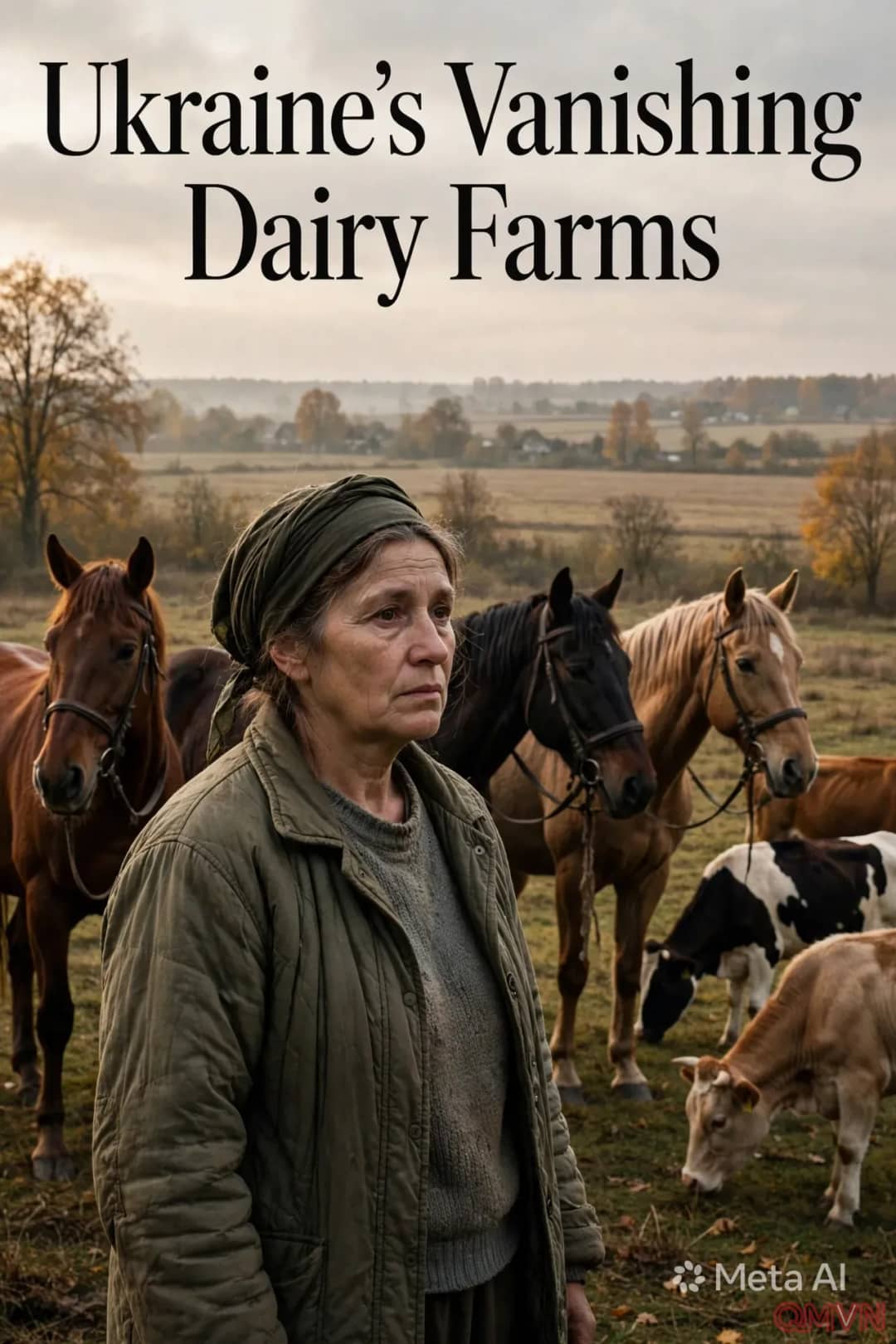
Marinka Hritsik, a family farmer near Chernihiv, has watched Ukraine’s dairy traditions change before her eyes. In 2022, she says, her village had 18 household-owned cows; now there are seven, and there will probably be none by winter. According to the Kyiv Independent, the number of official farms in Ukraine has fallen by a third in five years, while cows owned by small informal households with fewer than five animals have dropped by two-thirds in a decade.
Only farms with herds of 1,000 cows or more have grown in number. Whereas about 75 per cent of milk came from household farms ten years ago, 2026 is forecast to be the first year in which enterprises dominate. In May, the UN-led Food Security and Livelihoods Cluster warned of an impending “rural crisis” for household farms.
Squeezed From All Sides
Small producers are battling several pressures at once:
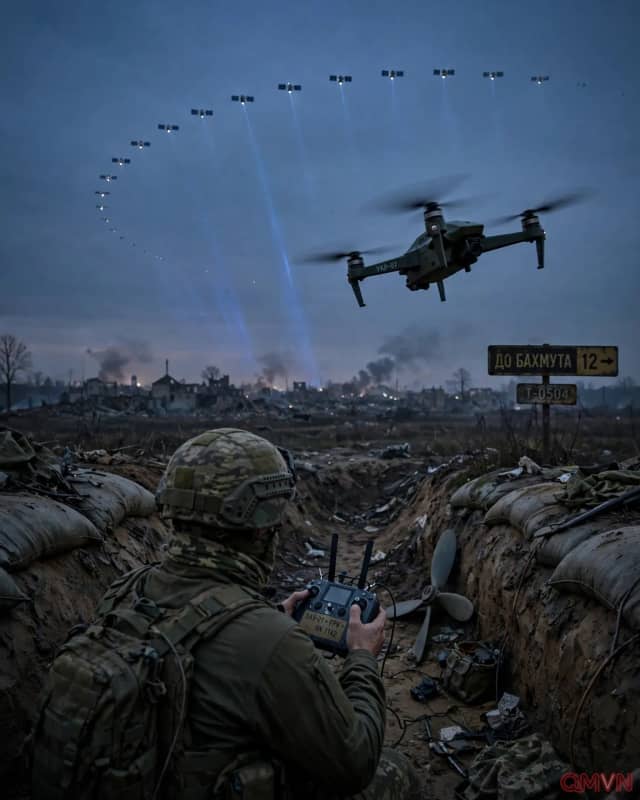
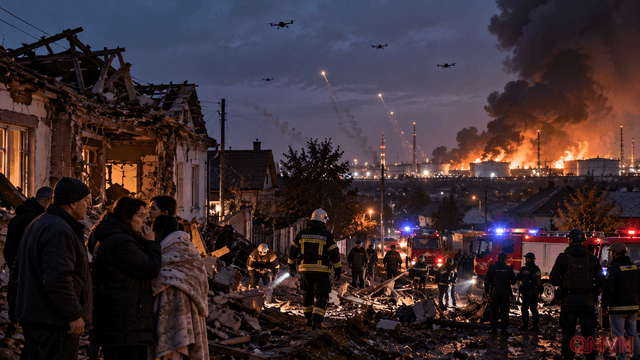
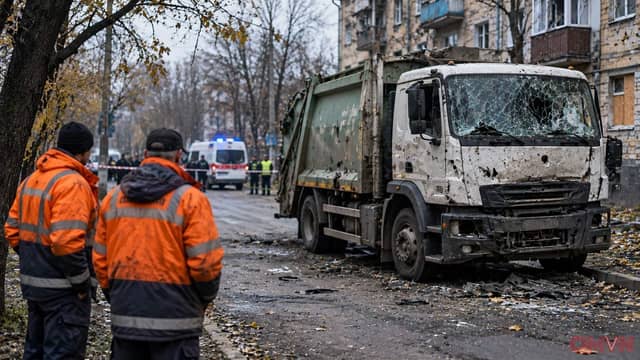
- The war has sent workers to the front, left land occupied or devastated by explosive weapons, and seen livestock killed during occupation or attacked by drones in villages near the front line.
- Global milk prices have slumped after a supply glut in 2025, while fertiliser and fuel prices spiked after the US and Israeli attack on Iran.