MAIN CONTENT
Fourteen flights, two diversions, one wider vulnerability
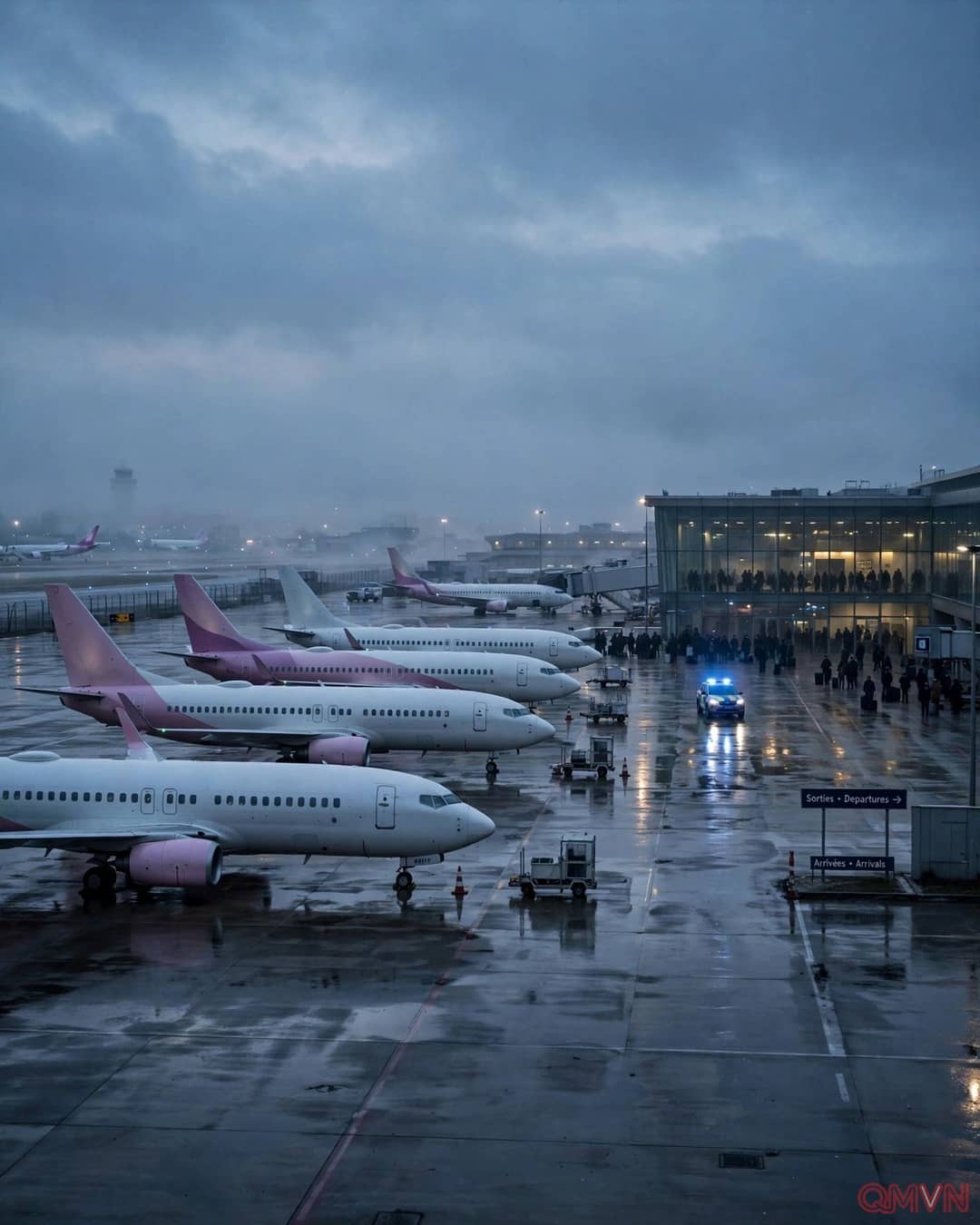
Wizz Air's experience offers a concentrated example of the disruption that an anonymous message can cause. According to Reuters, the carrier received hoax bomb warnings for 14 European flights during the preceding week. Two aircraft were diverted. The airline did not describe those diversions as evidence of explosive devices; precautionary decisions can be made before the credibility of a threat has been established.
For passengers, the distinction matters but may offer little immediate comfort. A diversion can mean missed connections, uncertainty and additional checks. For airlines and airports, it can demand coordination among crews, controllers, police and emergency teams, often across borders. Even when a warning proves false, the operational costs and public anxiety are real.
The events stretched beyond aviation. On November 12, a bomb alert temporarily interrupted rail services at Calais-Fréthun, affecting international journeys, before French authorities permitted traffic to resume. Schools and media organizations also faced threatening emails in different European countries. Officials have not established that every incident belongs to a single coordinated operation.