MAIN CONTENT
A Budget guarded like a state secret
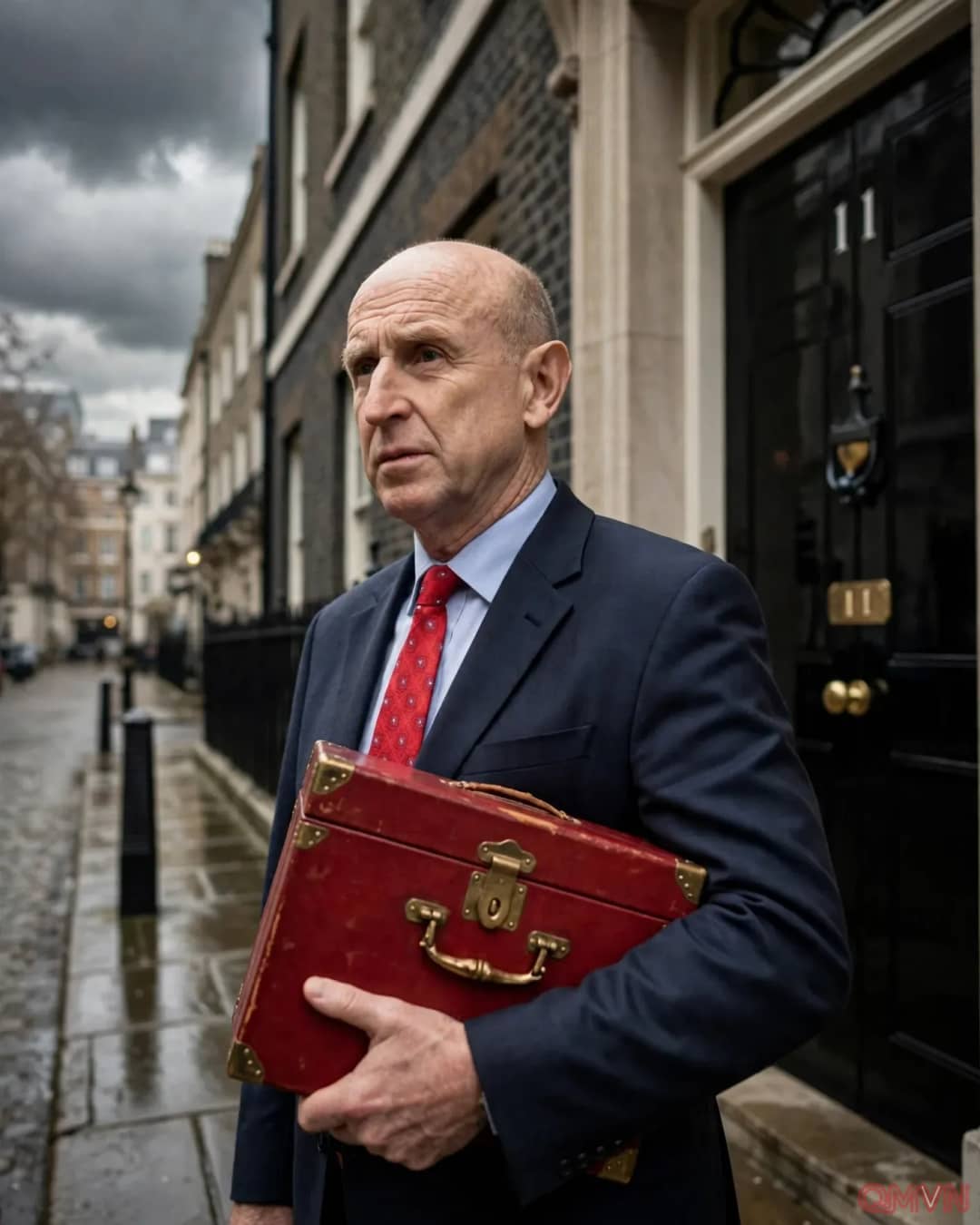
There have been almost no Budget leaks. Healey's aides have used intelligence-style security: the Budget has been split into “compartments” with very few given access to all of them, there are codenames, the IT has been locked down, and ministers viewing the plans must sign a digital promise not to brief the media. This responds to the feeling that speculation around last year's Budget, sometimes informed by insiders, was economically destabilizing. As a recent former defence secretary, Healey has embraced these strict procedures.
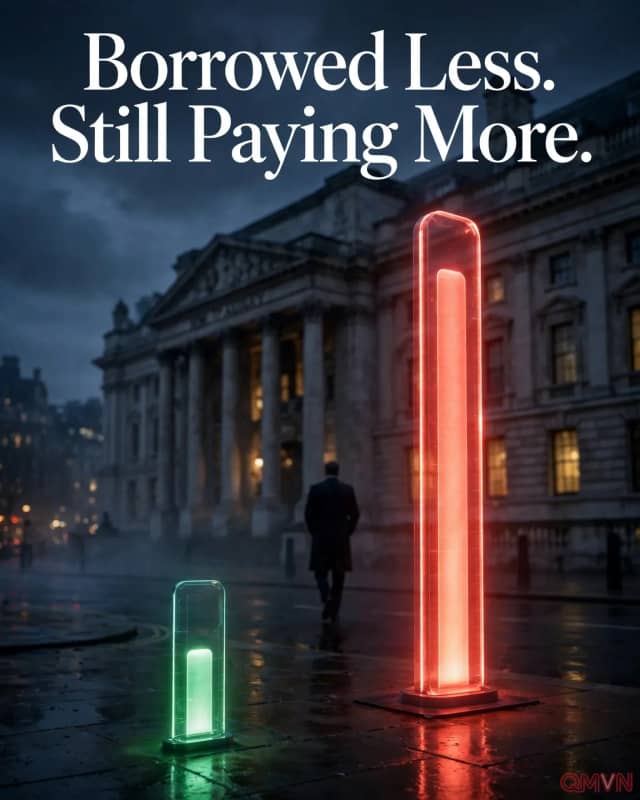
The reaction the chancellor's team awaits is not in the Commons but in the markets. Just after he sits down at around 13:00, the OBR will publish its forecast of how much the government expects to borrow in coming years, and the Debt Management Office will set out its plan for selling government bonds. Every effort is reportedly being made to keep that number as low as possible, to help guide down medium and long-term borrowing costs for both the government and mortgage holders.
The curious case of the UK economy
Economists are debating whether the UK economy is merely “resilient” or genuinely “strong.” Britain is the fastest-growing G7 economy so far this year, at 0.6% in the first quarter and 0.5% in the second, with the third quarter heading for 0.6% to 0.8% – each quarter twice as fast as forecast, and the fastest growth in the first eight months of a year since 2017, excluding the post-lockdown reopening. Several factors have helped Britain defy gloomy predictions: