A one-two punch in under 24 hours
On the evening of October 7, an oil and chemical tanker near Qatar was struck by several projectiles, causing casualties, according to maritime intelligence firm Vanguard and the UK Maritime Trade Operations agency (UKMTO). No one claimed responsibility, but officials in the region said Iran was likely behind it.
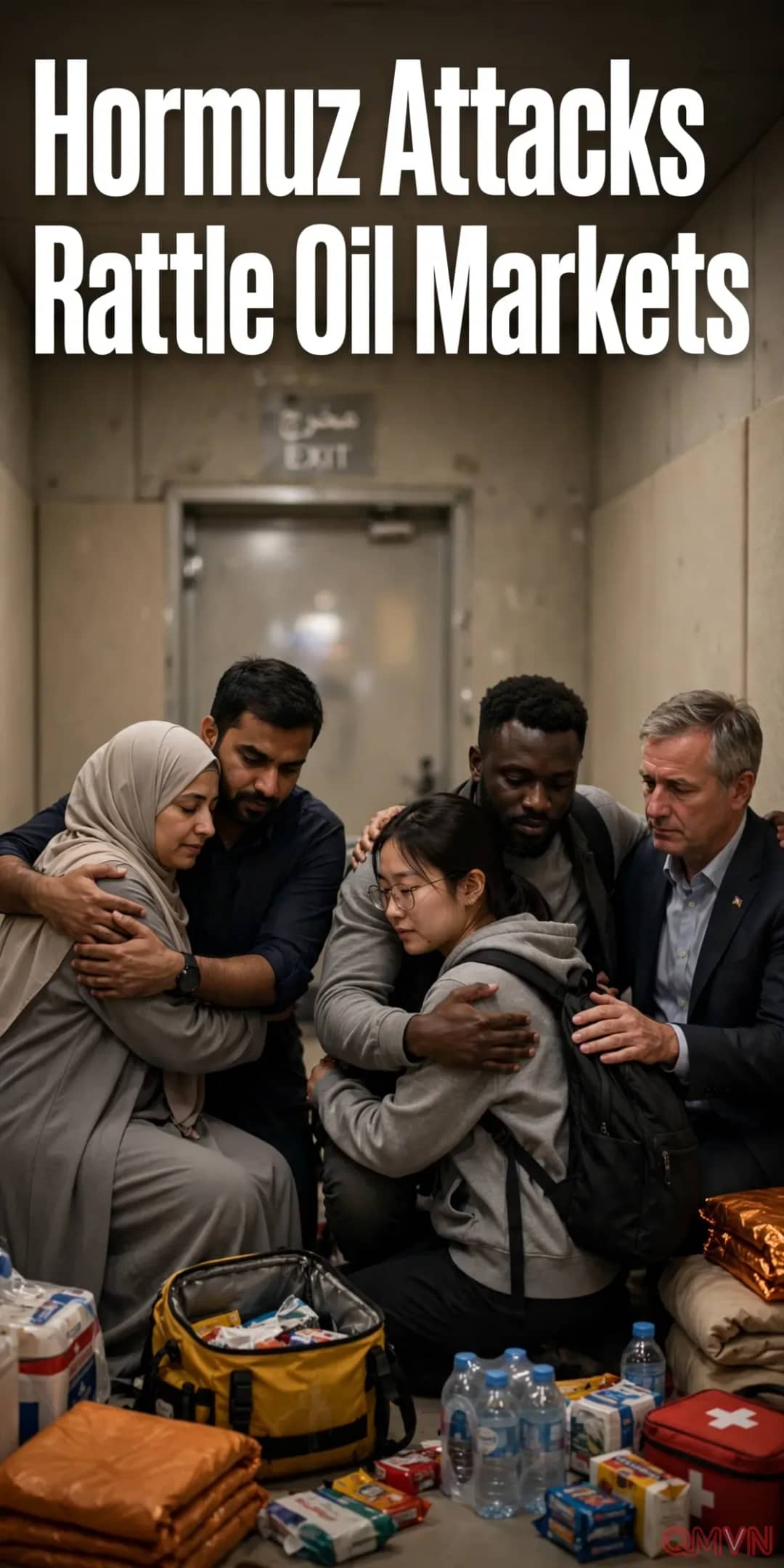
On the morning of October 8, the Houthis struck Riyadh, damaging at least two aircraft at King Khalid International Airport and forcing residents to take cover. The back-to-back attacks pushed oil prices sharply higher: Brent settled at $104.27 a barrel, up 4.1%, and US WTI rose to $91.87.
Tehran tries to break the stalemate
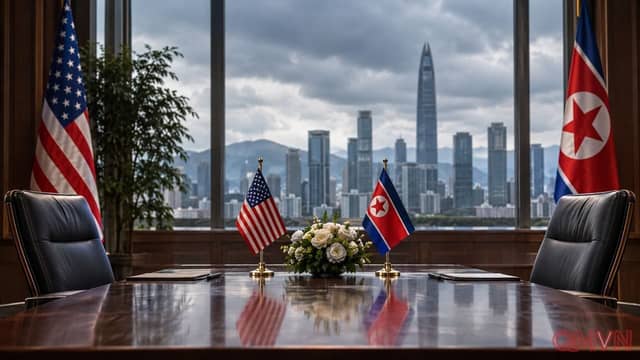
Analysts say that by stepping up attacks on shipping, Tehran wants to break the deadlock in the Strait of Hormuz and pressure Washington into a diplomatic deal. Such limited military moves can raise oil prices and squeeze Trump before the election, while stopping short of a full-scale confrontation that even Tehran doubts it can win.
Both sides are trying to improve their bargaining position while sitting only one serious incident away from a much wider war.