Be'eri: a wound not yet healed
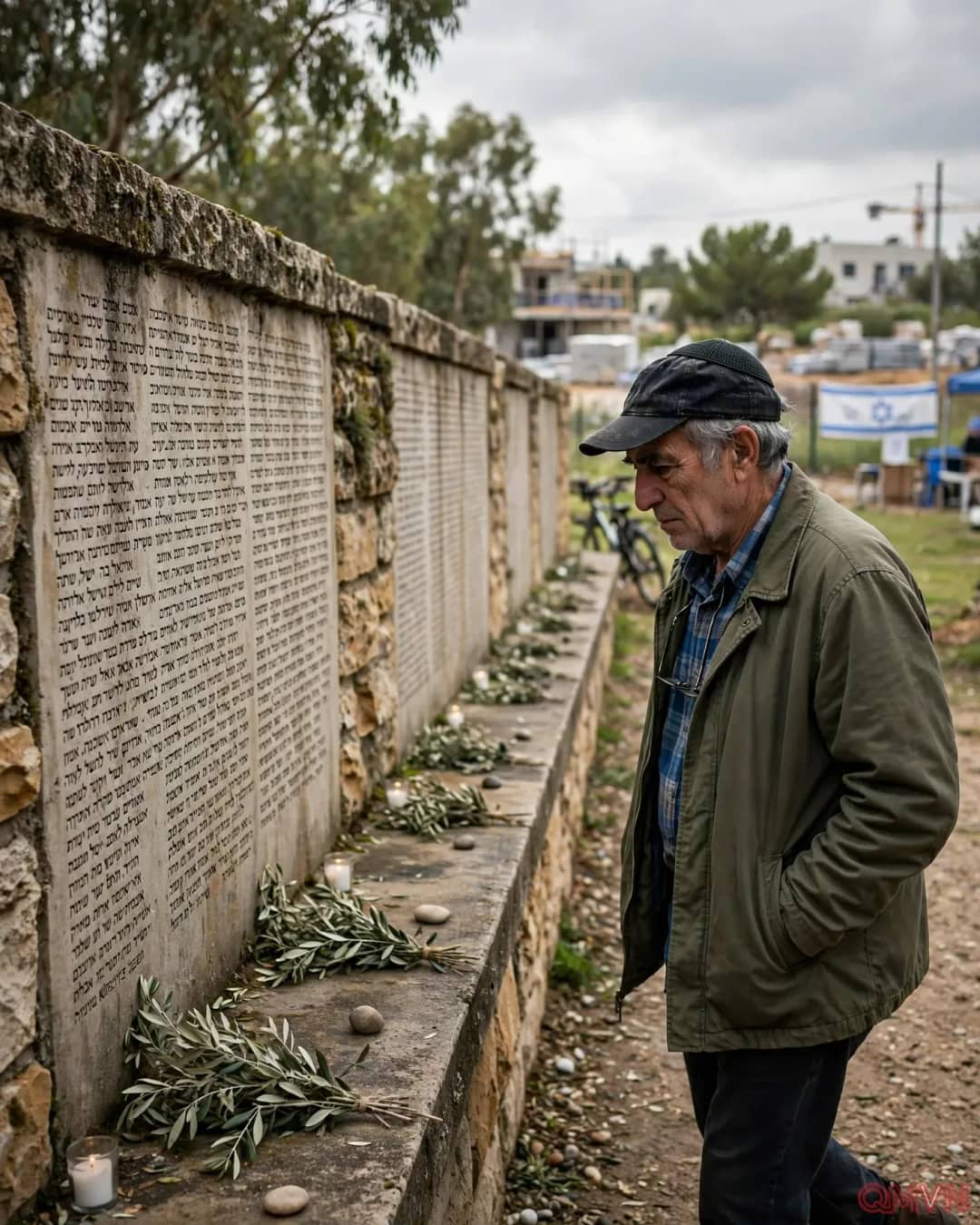
Gal Cohen, 61, walks quietly along a memorial wall engraved with the names of the men, women and children killed on October 7 in Kibbutz Be'eri. For him, the possibility that the country's leader at the time could be re-elected is painful. He believes Netanyahu should have taken responsibility and resigned, and that his completing a full term is a slap in the face for the survivors.
Three years after the tragedy, Be'eri is coming back to life. The sound of new homes being built echoes across its leafy grounds, and most residents, now living temporarily at another kibbutz, are expected to return by next summer. Founded in 1946, this community of around 1,000 people once embodied the socialist values that dominated Israeli politics in its early decades.
"Two clicks to the right"
In the 2022 election, nearly all of Be'eri's votes went to the centre-left, with only about 4% backing parties in Netanyahu's nationalist-religious coalition. The attack has led many residents to question their long-held belief that peace with the Palestinians could come within this generation.