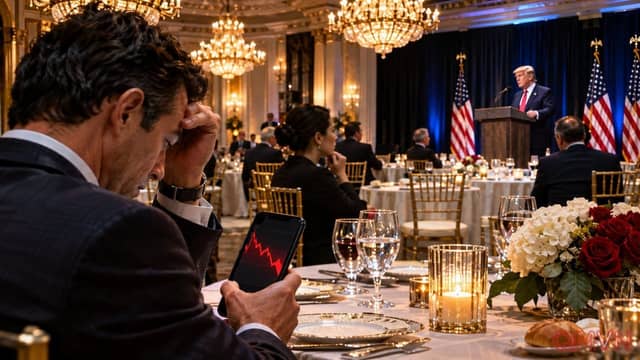
The campaign begins at the kitchen table
The U.S. midterm election is approaching in an atmosphere in which many voters judge politics through the most ordinary moments of life: a supermarket receipt, the cost of filling a car, a rent notice or a medical bill. That reality is shaping the Republican message. Party candidates want to speak about making life more affordable, preserving tax relief and drawing a contrast with Democratic policies they portray as costly. The effort is also a recognition that national power does not automatically create public confidence.
Affordability becomes the practical test
The political setting is uncomfortable for the governing party. Public concern about prices remains broad, and polling has repeatedly shown that household costs, particularly health care, food and housing, can outweigh abstract economic indicators. Republicans know that simply claiming the economy is strong will not persuade a voter whose savings have thinned. Their more practical message is likely to focus on housing supply, prescription-drug costs, deductions in high-tax states and relief for small businesses. Those ideas may be popular in isolation; the harder task is explaining what they deliver, for whom, and when.