MAIN ARTICLE
A ballot approaches as political consensus recedes
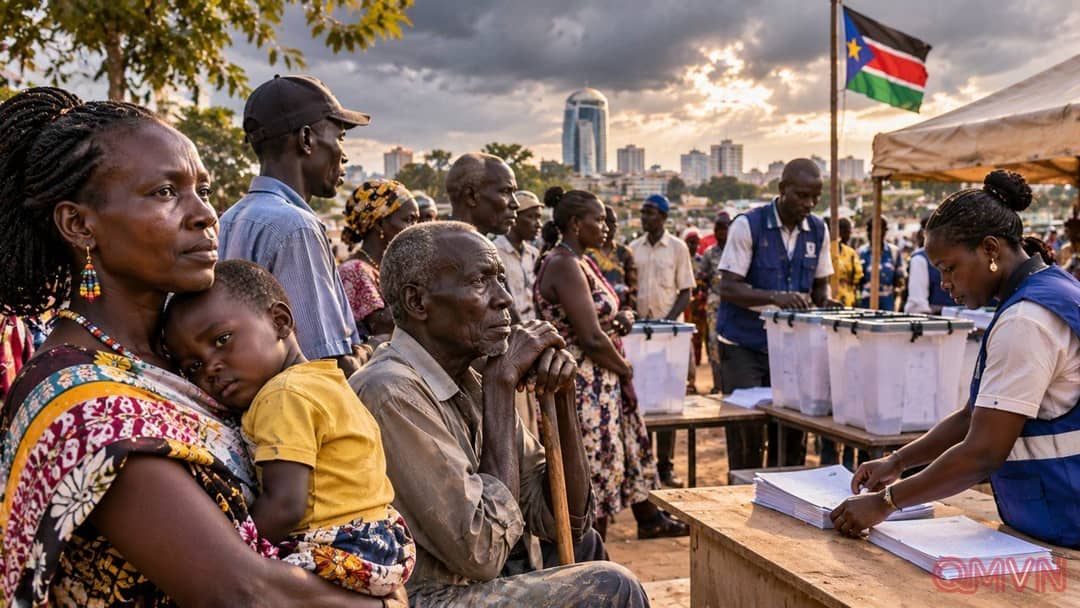
With roughly six weeks left, anticipation is mixed with apprehension in Juba. South Sudan has not conducted a national election since becoming independent in 2011. Following repeated postponements, holding the December 22 vote would carry immense symbolic weight: elected institutions might finally replace an extended transitional arrangement. But legitimacy rests on more than a calendar. Voters must be safe, candidates must be able to campaign and political opponents must have a genuine opportunity to compete.
Former Tanzanian president Jakaya Kikwete, serving as the African Union’s senior representative, appealed to the Security Council for support in preventing violence and encouraging dialogue. He warned that a failed or violent election could produce an even greater security and political crisis. His message was a risk assessment, not a prediction that conflict is inevitable. It also underscored the need for negotiations to continue beyond election day.
Unresolved fractures in the peace settlement
In September, President Salva Kiir dissolved the transitional administration and appointed a caretaker government. Officials describe that step as a means of preparing for elections; critics fear it could reshape the power-sharing foundations of the 2018 peace agreement.