MAIN CONTENT
A tangible opening for farmers and fishing communities
The clearest near-term winners may be businesses far from the summit rooms. According to the Canadian prime minister’s office, Beijing’s expanded relief covers approximately C$116 million in frozen pork cuts and C$285 million in fish and seafood exports. Eligible goods include cold-water shrimp and prawns, geoduck and other molluscs, sea cucumber and Greenland halibut. For producers who rely on export contracts, a tariff adjustment can determine whether a shipment is commercially viable, preserving work for processors, transport firms and coastal communities.
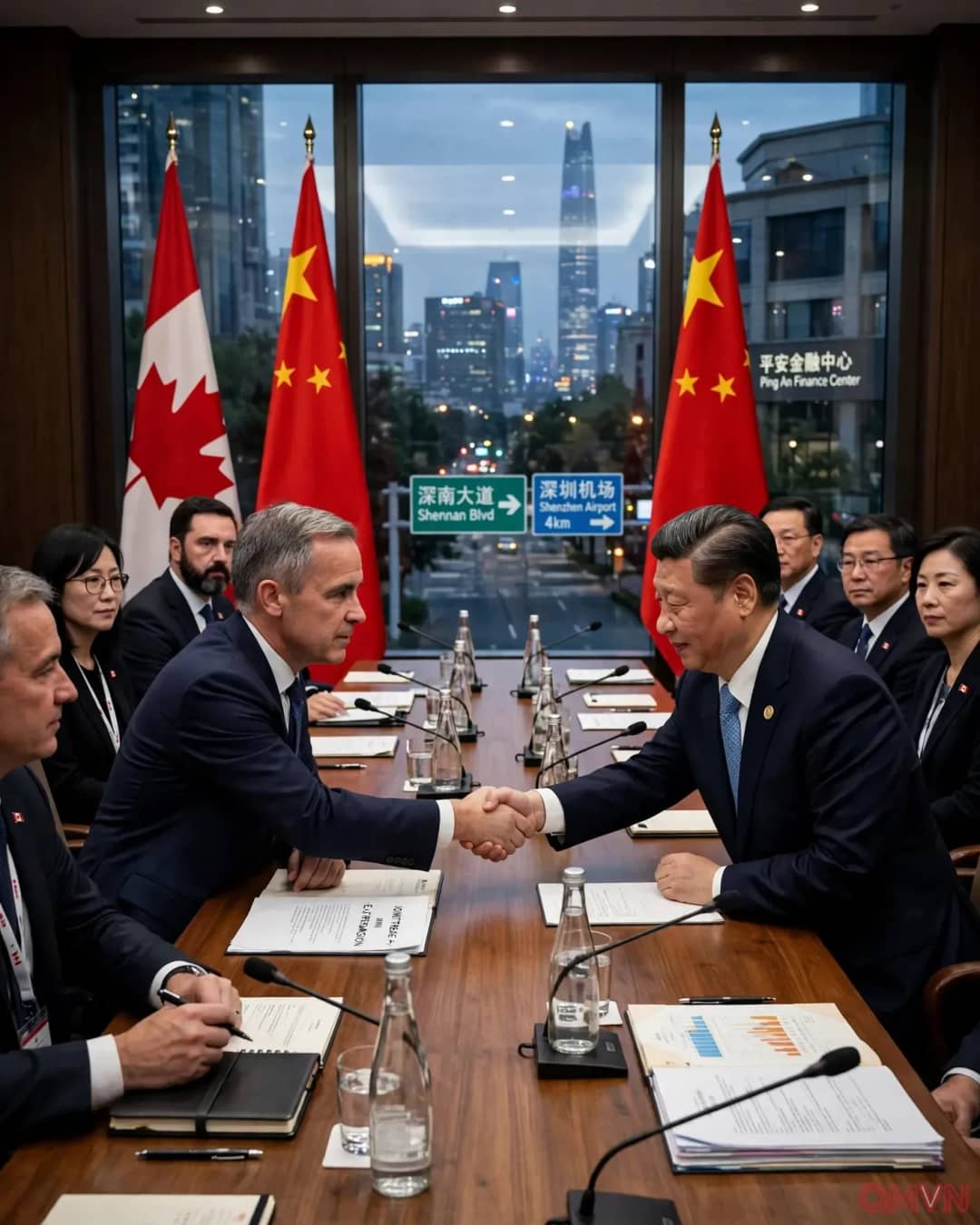
The preliminary bilateral arrangement is being extended through December 2028. China plans to suspend the relevant anti-discrimination tariffs from January 1, 2027, through December 31, 2028. That timetable offers exporters a planning horizon rather than merely a ceremonial handshake. Yet tariff relief does not itself guarantee sales: product standards, distribution networks, customs procedures and demand will determine how much additional business follows.
Why Ottawa is opening space for Chinese metals
In return, Canada is extending remission measures on certain Chinese steel and aluminium products for another two years. It will also widen coverage to 32 tariff categories—23 for steel and nine for aluminium—where domestic supplies are inadequate or unavailable, according to the government.