From Draft to Final Rules
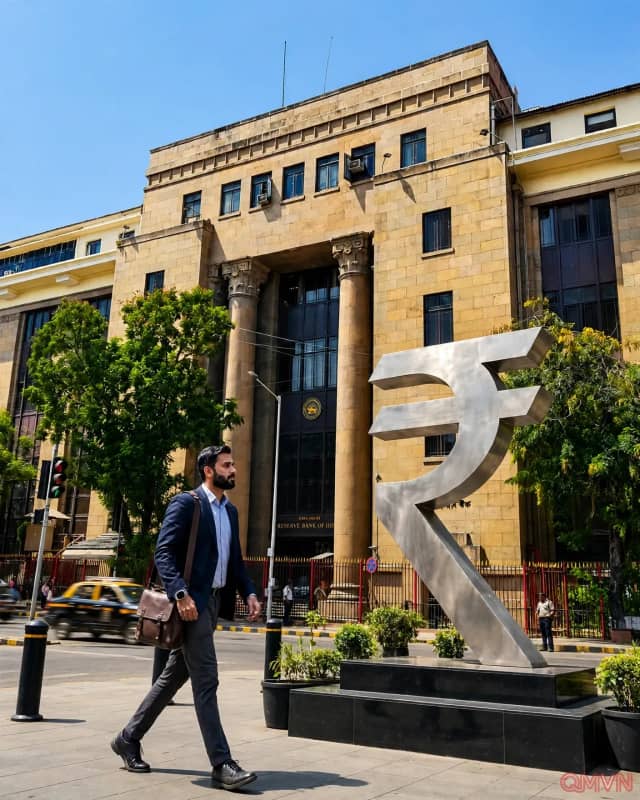
The RBI released the new rules on Friday, concluding a consultation that began on August 7. A bank’s leverage ratio is its tier-1 capital divided by its total exposures – a simple measure of how much a bank is “borrowing” relative to its own capital. The minimum levels are as follows:
- G-SIB branches in India: 3.5%, plus the G-SIB leverage ratio buffer and any additional buffer prescribed by the home regulator.
- The three domestic systemically important banks – State Bank of India, HDFC Bank and ICICI Bank: 4%.
- All other commercial banks: 3.5%.
After the draft was published, banks suggested aligning the requirement for G-SIBs with the Basel minimum of 3% and asked for more time to implement the rules. The RBI said it had accepted neither request.
Tougher Than the International Standard
The Basel Committee on Banking Supervision’s 3% is a global floor; the RBI has chosen to go further, putting global bank branches on a par with ordinary domestic banks and then adding buffers on top. Banks that fall short will face capital distribution constraints, including restrictions on repatriating profits to their overseas parents.
G-SIBs are banks considered “too big to fail”, because their collapse could trigger a broad financial crisis. Several members of this group, such as HSBC, Citi and JPMorgan, operate in India through branches, so the new rules directly affect how they allocate capital and expand their balance sheets in the market.
Why the Leverage Ratio Matters
Unlike risk-based capital ratios – which can understate danger when assets look “safe on paper” – the leverage ratio is a simple backstop that does not depend on risk models. The 2008 global financial crisis showed that many banks met risk-based capital requirements while in reality being heavily over-leveraged.
The new rules also broaden how total exposure is measured, covering on-balance-sheet assets, derivatives, securities financing transactions and off-balance-sheet items, while preventing banks from using transaction structures to disguise their true leverage. In exceptional macroeconomic circumstances, the RBI may temporarily exclude balances held at the central bank from the exposure measure, but would then raise the minimum ratio to offset the effect.
The Message From Mumbai
Rejecting both a lower standard and a longer deadline sends a clear message: for the RBI, system stability takes precedence over banks’ wish to cut compliance costs. Foreign bank branches may need to add capital or reconsider the pace of asset growth, while domestic banks face little change from current requirements.
As India attracts international capital and credit grows strongly, a banking system with thicker buffers could be a valuable shield against external shocks – a small price paid today for lasting safety tomorrow.