MAIN CONTENT
The $100 threshold arrives at a politically sensitive moment
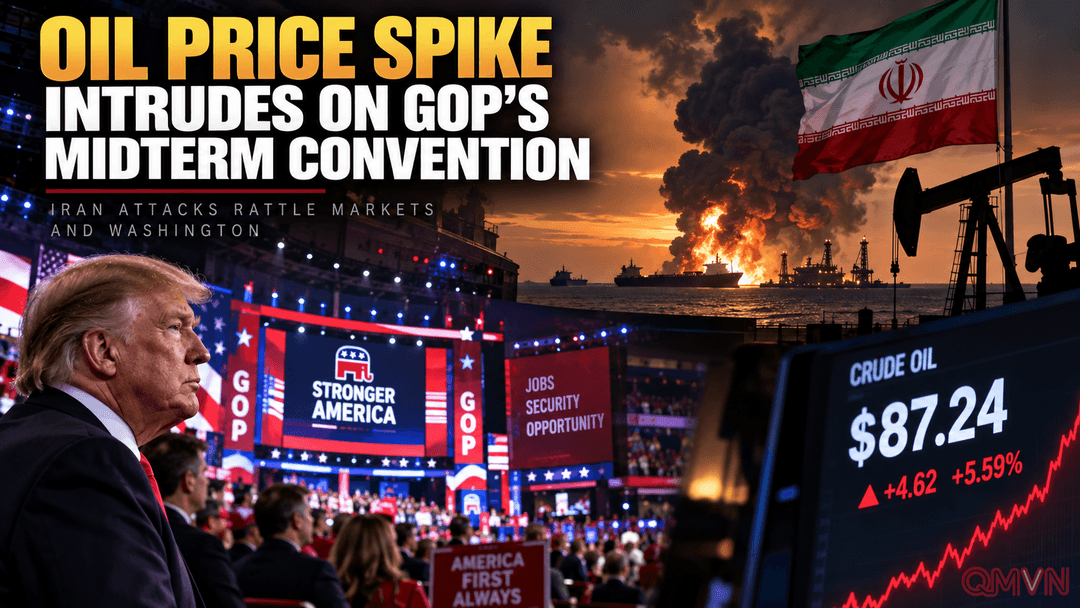
Brent moved into triple digits for the first time since July and settled at $101.21, while U.S. benchmark crude finished at $96.05. Reuters reported that Brent has climbed about 25% since early August as hopes for a durable resolution of the U.S.-Iran conflict faded. For traders, $100 is not merely a round number; it signals that the market's safety cushion is becoming thin.
Fresh escalation has included attacks involving tankers, military targets and Saudi energy infrastructure. Oil traffic through the Strait of Hormuz, historically carrying about a fifth of global petroleum flows, has fallen sharply. When such a crucial shipping route is disrupted, prices reflect both barrels already missing and the possibility that future losses could be larger.
Gasoline carries the war into voters' household budgets
The political effect is unusually visible. AP reported average U.S. gasoline at about $4.22 a gallon, with diesel near $6. More expensive energy raises the cost of driving, freight, aviation, farming and manufacturing, meaning households can feel the shock even if they buy relatively little gasoline themselves.