South Korean Prime Minister Han Seong-sook pledges to eradicate corporate price-fixing following $1.3 billion in administrative penalties
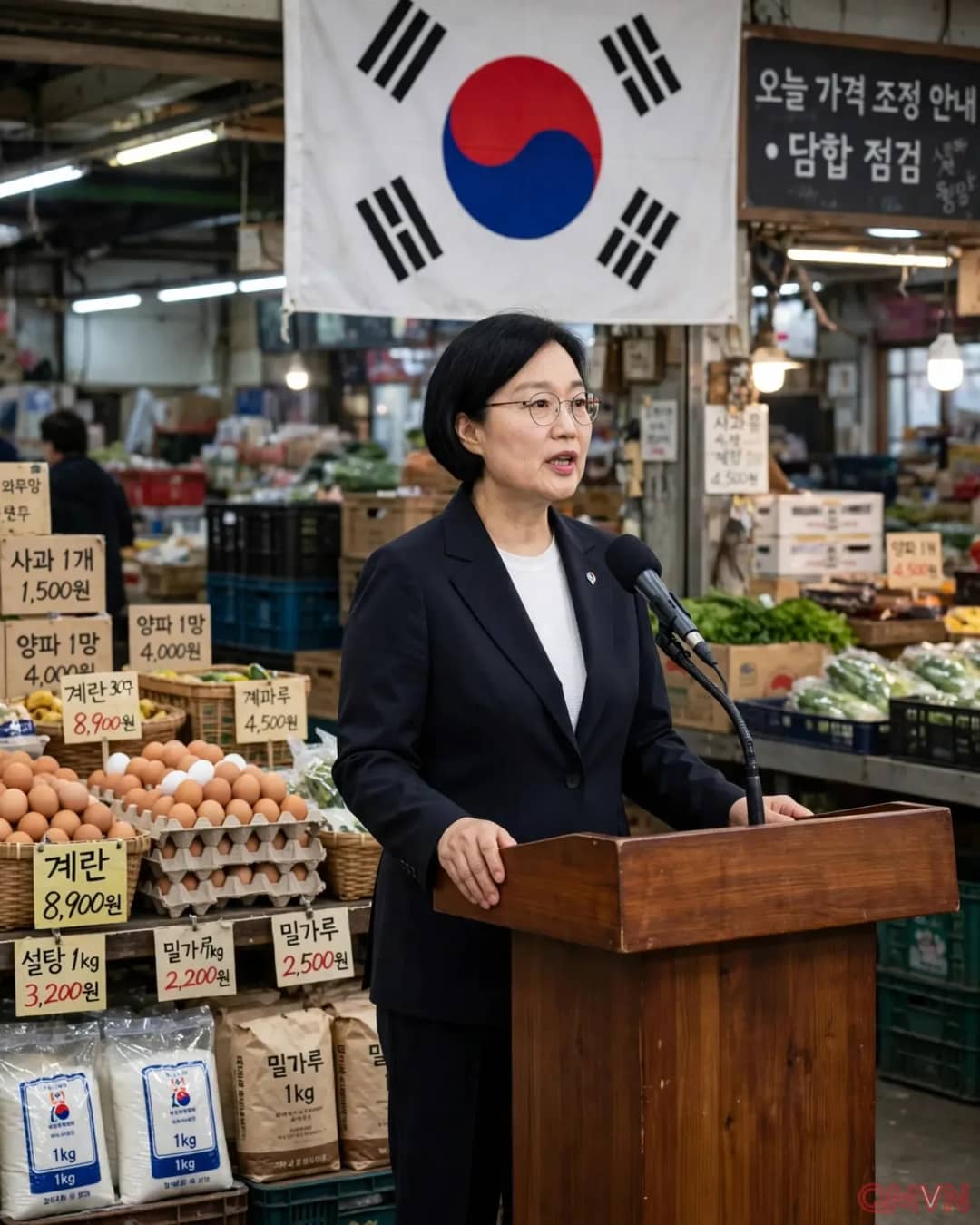
South Korean Prime Minister Han Seong-sook pledged on Wednesday, November 4, 2026, to relentlessly root out corporate price-fixing cartels, revealing that the government has levied over 1.8 trillion won ($1.3 billion) in administrative fines this year alone against companies implicated in illegal price collusion, The Korea Herald reported via Yonhap. Articulating the executive administration’s anti-monopoly doctrine in a public statement on X, Prime Minister Han emphasized that price stabilization and household grocery protections represent core sovereign obligations. Rigorous regulatory enforcement targeting illicit cartels across foundational dietary staples—including sugar, eggs, flour, and starch sugars—triggered market price reductions of up to 26.5 per cent, validating government assertions that monopolistic collusion had imposed unconscionable financial burdens on household grocery budgets.
Edite QUANG MINH·2 min read · 3 min listen·4 November 2026, 09:42 EST·
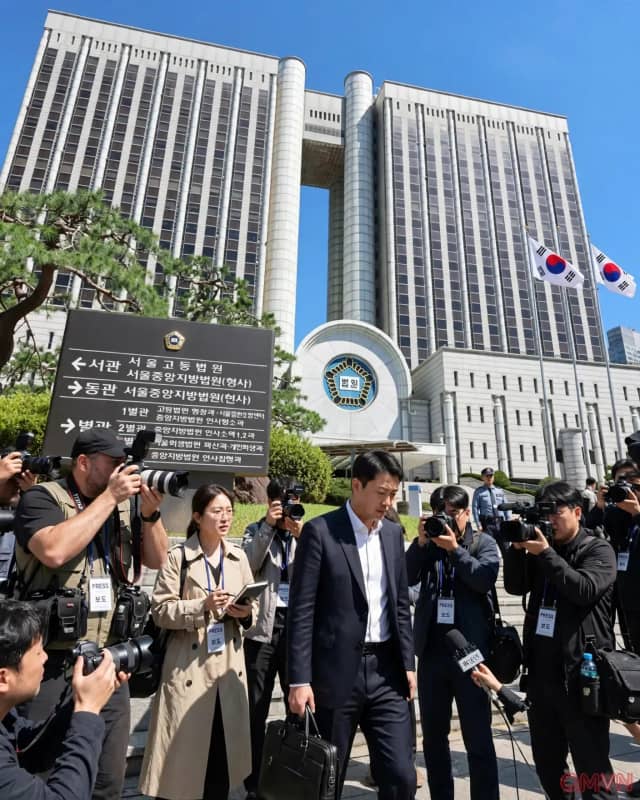
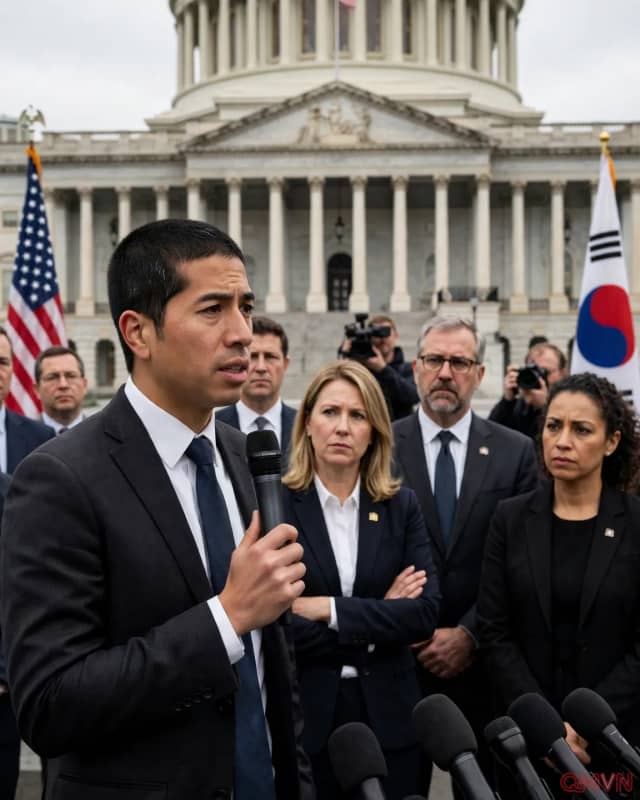
AI-generated illustration
MAIN BODY
Protecting the public dining table and record 1.8-trillion-won anti-collusion fines
Advertisement300 × 250
In her policy address released Wednesday, Prime Minister Han Seong-sook affirmed that shielding domestic consumers from corporate market manipulation remains a non-negotiable governance priority for the executive branch.
*"We will firmly safeguard the people’s dining tables from price-fixing; this means that companies had been placing a heavy burden on the people’s dining tables." — Prime Minister Han Seong-sook (Official Public Executive Statement on X)
*
Through comprehensive antitrust investigations executed by the Fair Trade Commission, the state cracked down on pervasive price-fixing networks across food processing and staple distribution sectors. The record accumulation of more than 1.8 trillion won ($1.3 billion) in corporate penalties through October 2026 delivered an unprecedented financial deterrent against unfair competitive practices.
• Administrative penalties against illegal price collusion exceeded 1.8 trillion won ($1.3 billion) year-to-date in 2026.
• The Prime Minister declared the preservation of grocery affordability a foundational government responsibility.
• Antitrust enforcement targeted systemic corporate collusion that inflated household living expenses.
Twenty-six percent grocery price drops and fortified economic sanctions
Regulatory interventions yielded immediate relief for consumer pocketbooks after dismantling price-fixing cartels across foundational ingredients such as refined sugar, eggs, wheat flour, and corn-derived starch sugars.
*"The penalties led to price drops of up to 26.5 percent for those items; we will strengthen economic sanctions to ensure that no further profit can be gained through collusion." — Prime Minister Han Seong-sook on Consumer Price Stabilization*
The price drop of up to 26.5 per cent in primary baking and food staples created broad disinflationary tailwinds across the domestic restaurant, bakery, and processed food industries. Prime Minister Han affirmed that the administration will escalate legal and economic sanctions to confiscate illicit windfalls, ensuring that monopolistic coordination yields zero commercial gain.
• Consumer prices for sugar, eggs, flour, and starch sugars dropped by up to 26.5% following regulatory penalties.
• The dismantling of food cartels delivered direct disinflationary relief to working-class household budgets.
• The administration committed to escalating financial sanctions to completely neutralize corporate incentives for collusion.
EVENT BACKGROUND
This major domestic economic and fair trade milestone unfolded on November 4, 2026, in Seoul, against a macroeconomic backdrop marked by persistent household cost-of-living concerns and cumulative grocery inflation. Following prolonged international grain supply disruptions and currency fluctuations earlier in the decade, several dominant South Korean food manufacturing conglomerates engaged in tacit horizontal price coordination to preserve inflated corporate operating margins. Essential agricultural feedstocks—specifically wheat flour, table eggs, industrial starch sugars, and refined sugar—were subjected to coordinated wholesale price hikes, directly elevating retail grocery costs across metropolitan Seoul. The fundamental crux of the issue lies in the direct collision between corporate rent-seeking by entrenched oligopolies versus the purchasing power of middle- and lower-income consumers; by deploying record-shattering administrative penalties of 1.8 trillion won and securing immediate retail price corrections of up to 26.5 per cent, the administration of President Lee Jae Myung and Prime Minister Han Seong-sook signaled a zero-tolerance antitrust regime determined to protect consumer welfare from corporate cartels.
KEY LESSONS LEARNED
• Aggressive administrative penalties exceeding illicit windfall gains are the most effective structural deterrent against corporate cartels.
• Targeting anti-competitive collusion in foundational commodity supply chains delivers immediate disinflationary benefits to retail consumers.
• Corporate compliance regimes must treat fair competition and transparent pricing as existential legal and reputational mandates.
Subscribe to the QMVN newsletter
A daily morning digest - only stories worth reading, no spam.