MAIN CONTENT
Buttons, glasses and a new security routine
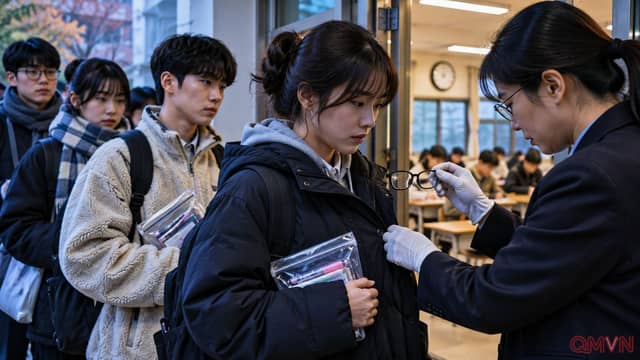
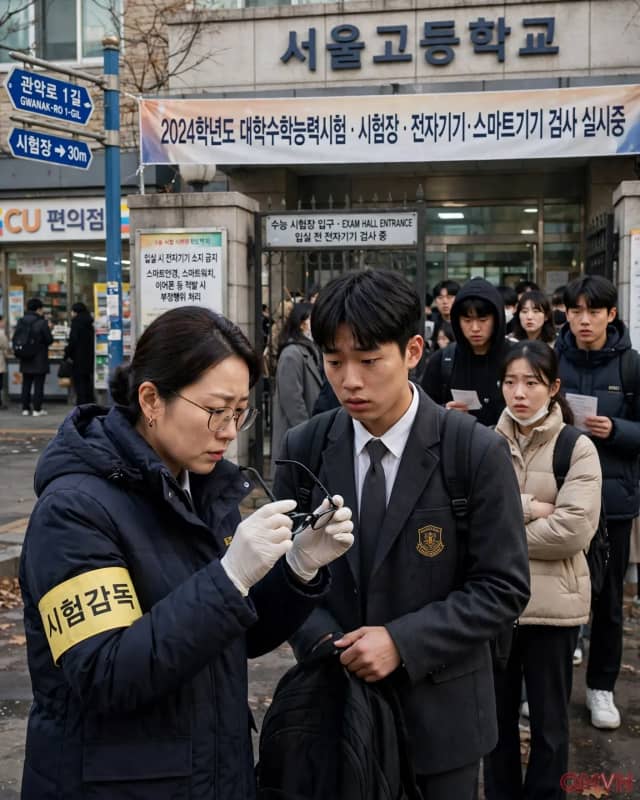
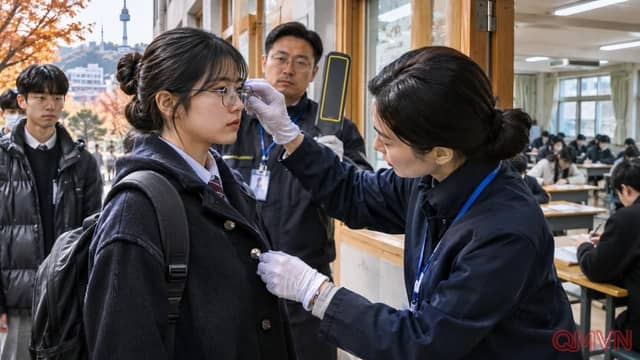
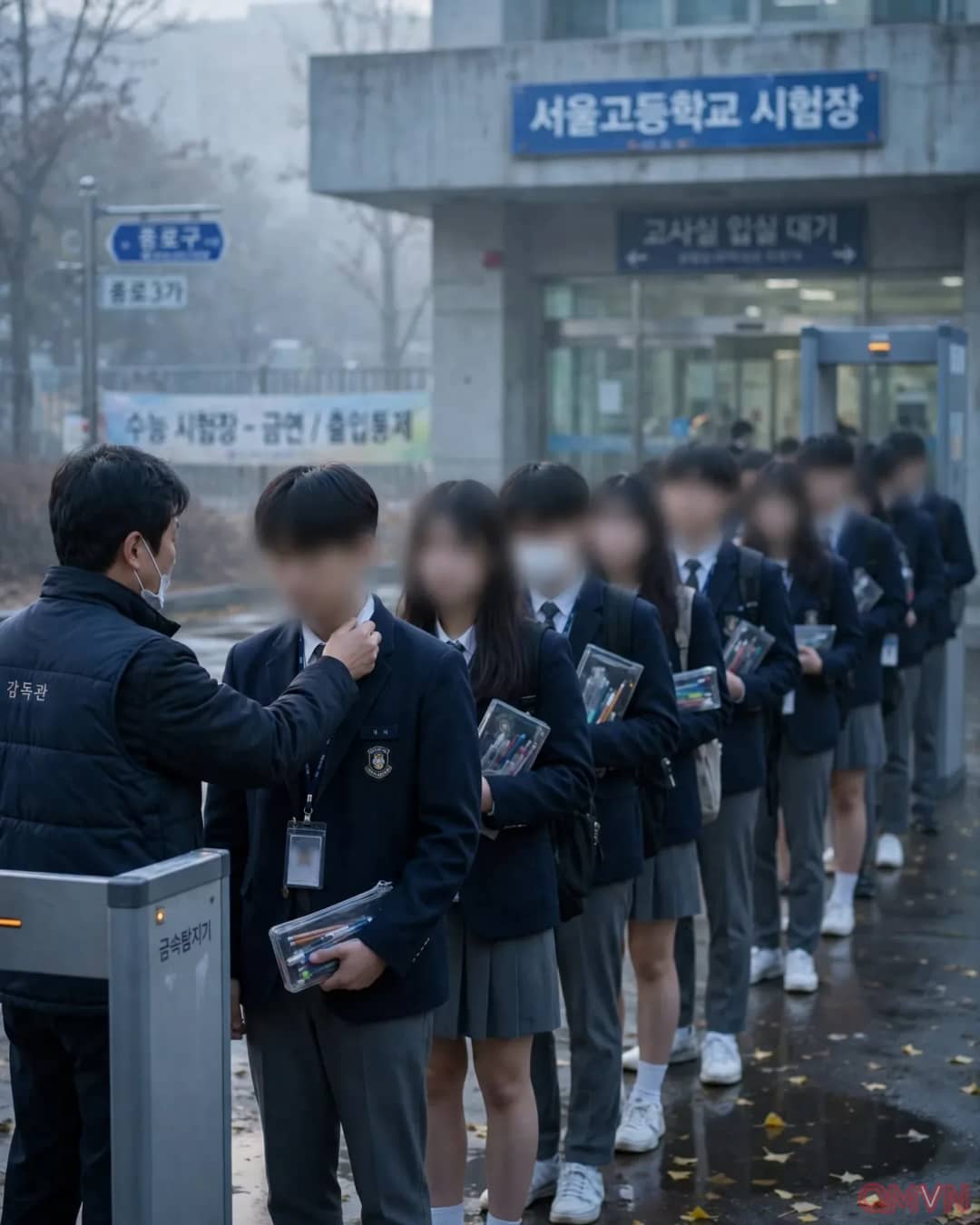
Prime Minister Han Seong-sook outlined the additional safeguards on November 17. Examination supervisors are to check glasses for hidden recording capabilities and cover clothing buttons with stickers to frustrate miniature cameras disguised as ordinary accessories. Sleeves and collars may also be examined. Such small, physical interventions reflect an emerging threat: the ability to capture examination questions without the obvious equipment that older anti-cheating rules were designed to detect.
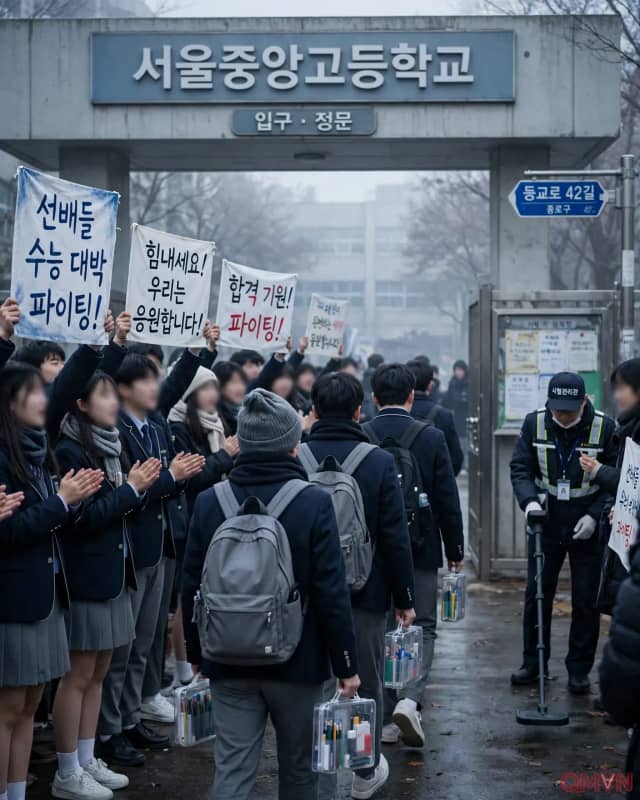
South Korea had already assigned roughly 75,000 invigilators across 1,312 testing sites. It is adding more than 6,600 corridor supervisors and around 1,800 specialists in smart-device issues. Students who arouse specific suspicions may be taken aside for a metal-detector inspection. Crucially, the announced plan is not a blanket requirement that every candidate pass through a detector. Officials have warned that universal scanning or widespread signal jamming would be difficult to introduce safely just before the examination.
A separate cheating scandal shakes confidence
The immediate catalyst was the confession of a candidate surnamed Han who had achieved the highest score in a national tax-accountant qualification examination. According to Yonhap, he acknowledged using electronic devices and generative AI, and was questioned by police.