MAIN CONTENT
A decades-old project returns to the center of energy strategy
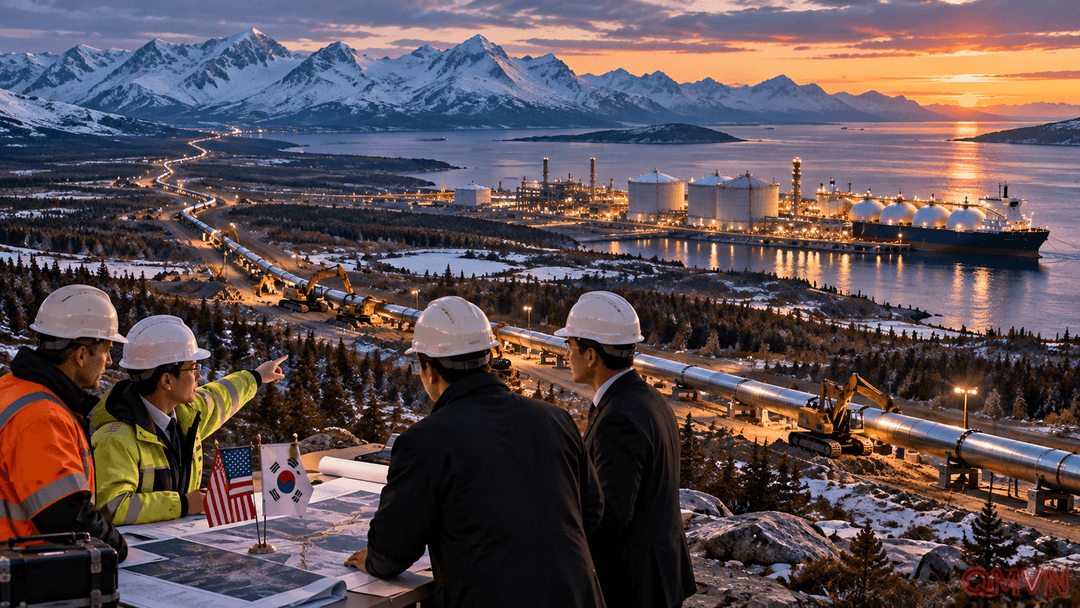
Alaska LNG is designed to move natural gas from the North Slope through an approximately 800-mile pipeline to southern Alaska, where the gas would be liquefied at a coastal facility and shipped to Asian markets. Versions of the idea have circulated for decades because the basic problem is straightforward: Alaska has abundant gas resources but lacks the infrastructure needed to move much of that gas to major demand centers.
Reuters estimates the project at roughly $44.5 billion to $54.5 billion depending on scope, with both the pipeline and liquefaction facilities requiring enormous capital. Glenfarne Group owns 75% of the venture and the State of Alaska owns the remainder. The project has secured preliminary LNG offtake interest, but much of it is not yet the kind of binding long-term contracting normally required for full financing.
The Trump administration’s September 30 announcement therefore matters because it places Alaska LNG inside a much larger Korean strategic investment framework. But energy markets distinguish sharply between a project identified for potential investment and one that has reached a final investment decision.