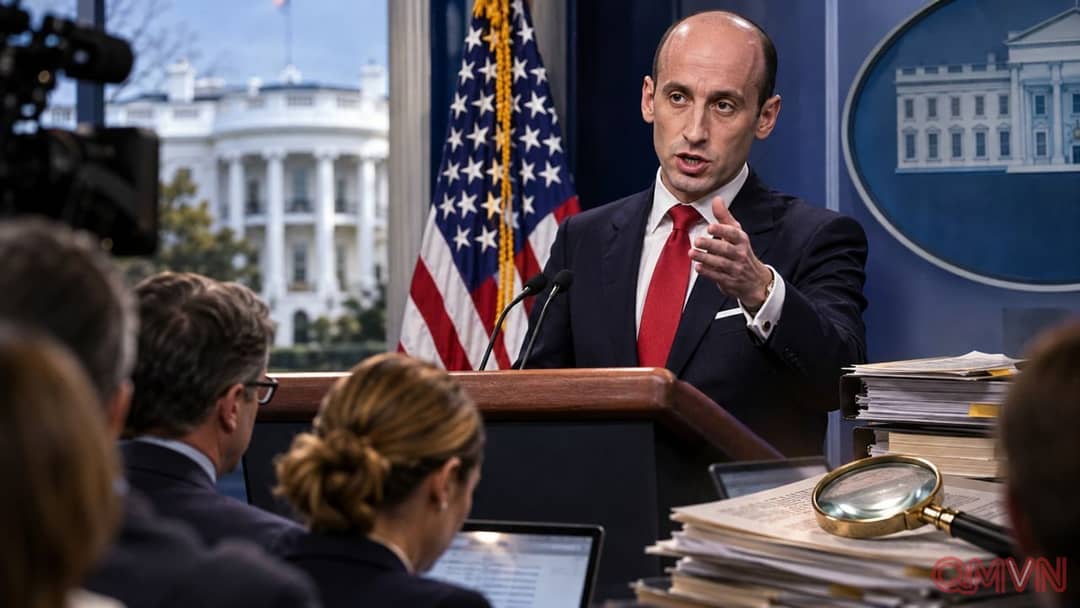
MAIN ARTICLE
A powerful appointment raises the stakes
After Republican defeats in the midterm elections, Trump announced on November 6 that Miller would replace Susie Wiles as chief of staff. The office helps determine who reaches the president, which issues reach his desk and how agencies coordinate priorities. Miller had previously served as deputy chief of staff and a senior homeland security adviser, and he has long championed Trump's restrictive immigration agenda.
Administration supporters see ideological consistency as an asset. White House spokesperson Taylor Rogers defended Miller's messaging as appropriate for someone serving a president chosen by voters. Yet the appointment also amplifies a more basic question: does the confidence with which a claim is delivered match the strength of the evidence? That question applies to the administration's critics as well as its advocates.
The Ted Stevens case and the limits of political inference
In an October television interview, Miller suggested that Alaska Democrats had orchestrated the 2008 corruption prosecution of Republican Senator Ted Stevens to engineer an electoral outcome. The chronology is considerably different.