MAIN ARTICLE
A dangerous legacy inside aging storage bunkers
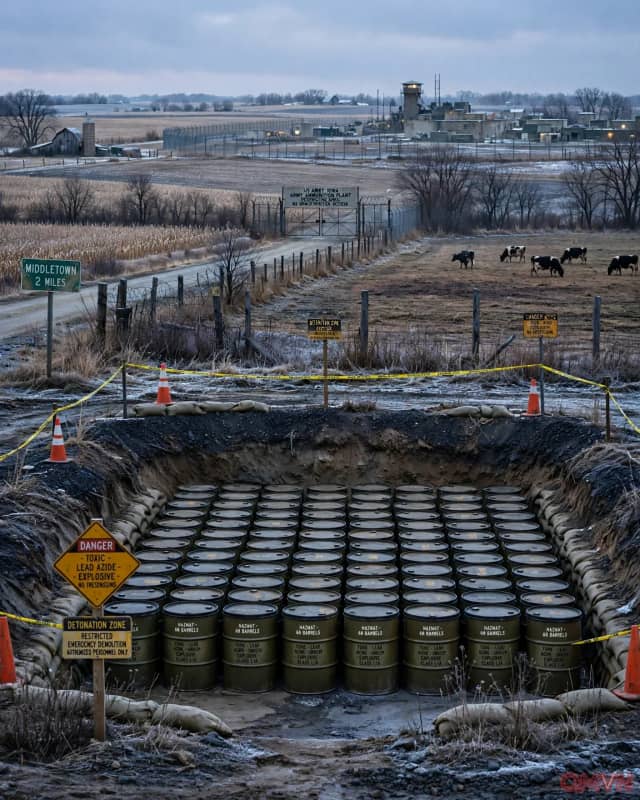
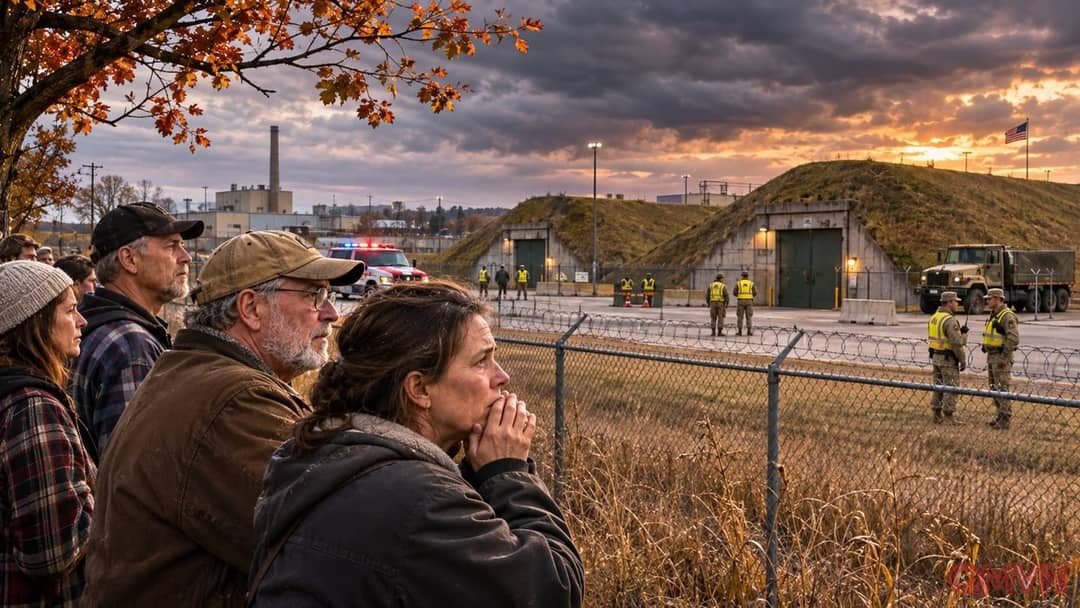
Lead azide is an exceptionally sensitive compound used to initiate explosions in munitions. According to regulatory records, 68 drums had been kept for years in earth-covered storage bunkers at the Iowa ammunition facility and were found to have deteriorated. The Army argues that opening or moving them could imperil workers. A planned detonation, officials contend, would permit protective measures that would be impossible during an accidental blast. The problem is not a conventional stockpile awaiting routine disposal but an unstable material whose condition has become central to the safety assessment.
In a November 21 filing, the Justice Department warned of temperatures falling below 30 degrees Fahrenheit, or approximately minus one Celsius. The Army said doors had already been removed from storage bunkers while preparing for disposal, leaving the contents more exposed to changes in temperature. Those assertions represent the government's assessment of an immediate threat; they do not independently establish that an uncontrolled explosion is certain to happen on a particular day.
The EPA issued its emergency treatment permit on November 13. After the Iowa Environmental Council and the Sierra Club's Iowa chapter challenged the approval, an appeals court paused the permit. The government subsequently informed judges that it intended to rely on an emergency munitions-and-explosives exclusion under hazardous-waste rules, rather than the suspended permit, to proceed by November 24. That legal maneuver has intensified the dispute instead of ending it.