Low expectations, an even worse outcome
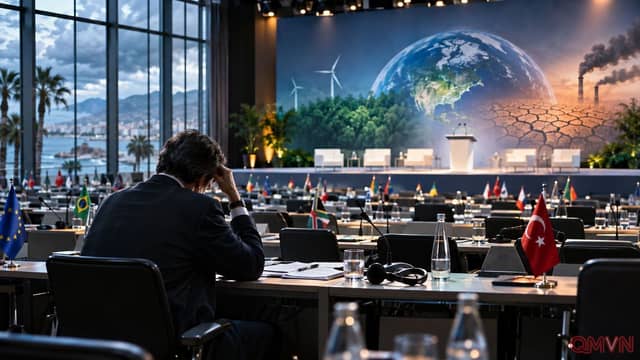
Gaining traction at COP31 was always going to be hard. Leaders and citizens are grappling with wars, shaky economies and anxieties about artificial intelligence, whose energy-hungry data centres have themselves become a climate concern. Last year's conference in Belém, Brazil, which seemed to have all the ingredients for a historic result, ended as a disappointment.
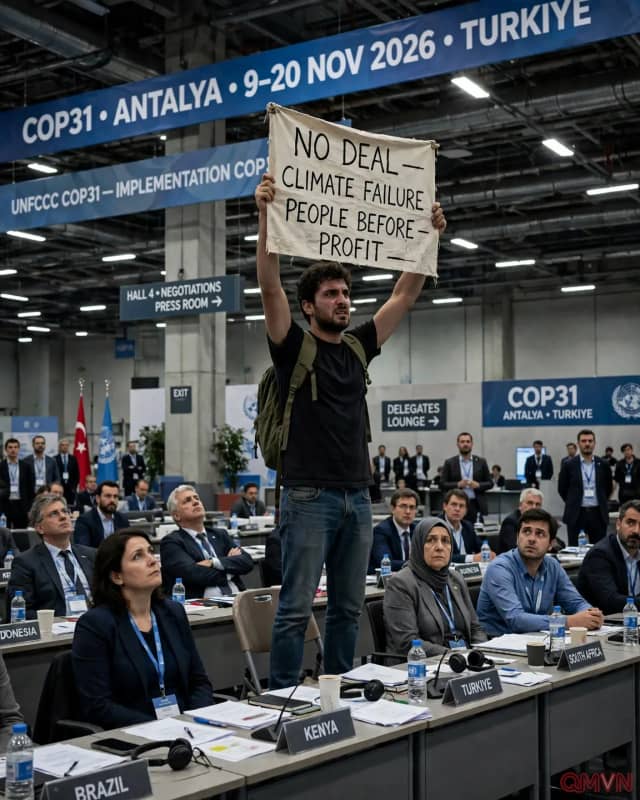
For the second year running, the United States did not take part after the Trump administration pulled out of climate negotiations. Even so, many campaigners, scientists and negotiators had hoped for at least some progress on the core cause of the crisis. Instead, the two-week talks closed without a main agreement.
Two words that divide the world
The science is not in dispute. Burning fossil fuels releases greenhouse gases that trap heat, raise global average temperatures and fuel more frequent and intense extreme weather. The solution, in principle, is to burn less of them over time and shift to sources such as solar, wind and geothermal.
In practice, the diplomacy is anything but simple. For oil producers, a phase-out threatens national revenues; for coal-dependent economies, it raises fears for jobs and energy security. As a result, the annual summits convened to confront climate change have struggled to include even the words "fossil fuels" in their final texts, let alone a detailed transition plan. The single exception came in Dubai, whose decision called on countries to pursue: