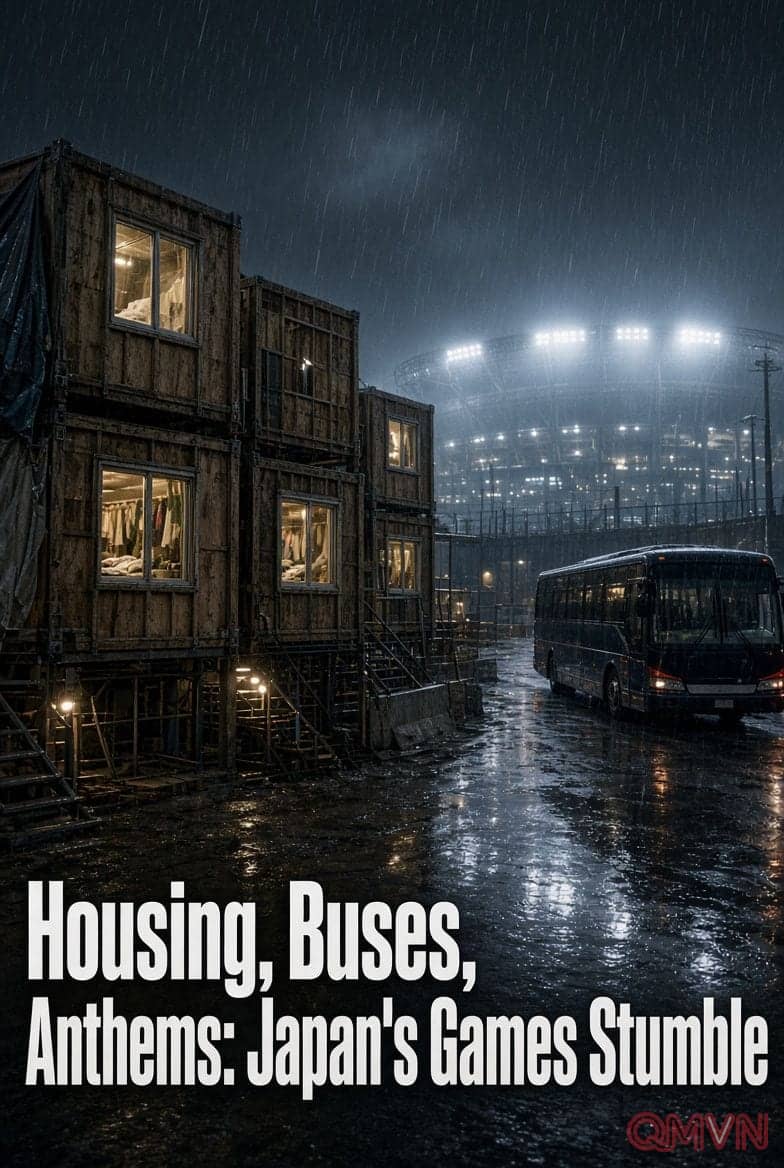
Accommodation Scarcity and Strains of Decentralized Housing
The strategic decision to bypass construction of a purpose-built athletes village to contain post-pandemic municipal expenses thrust local event organizers into widespread international controversy. Dispersing nearly seventeen thousand competitors and administrative delegates across scattered regional hotels, chartered cruise liners, and timber modular containers at Garden Pier precipitated widespread booking confusions and acute bed deficits. Multiple delegations, including South Korean basketball officials, protested that the modular units were excessively cramped for towering elite players.
Confronted by these residential hurdles, several national sports boards enacted independent contingency arrangements. The Board of Control for Cricket in India secured private accommodations for its star-studded squad due to insufficient local room quotas, while roughly two thousand resident families in Nagoya extended generous offers of private shelter to visiting athletes.
Operational Transportation Lapses and Diplomatic Protocol Stumbles
Beyond residential complaints, basic municipal transportation coordination faltered repeatedly, severely disrupting athletic training regimens across various venues. The South Korean men's basketball team was compelled to cancel vital pre-final shootaround sessions after designated shuttle buses failed to arrive without administrative explanation, echoing a previous mishap where the men's soccer team was misrouted to a baseball stadium.