MAIN CONTENT
A contract focused on existing warships
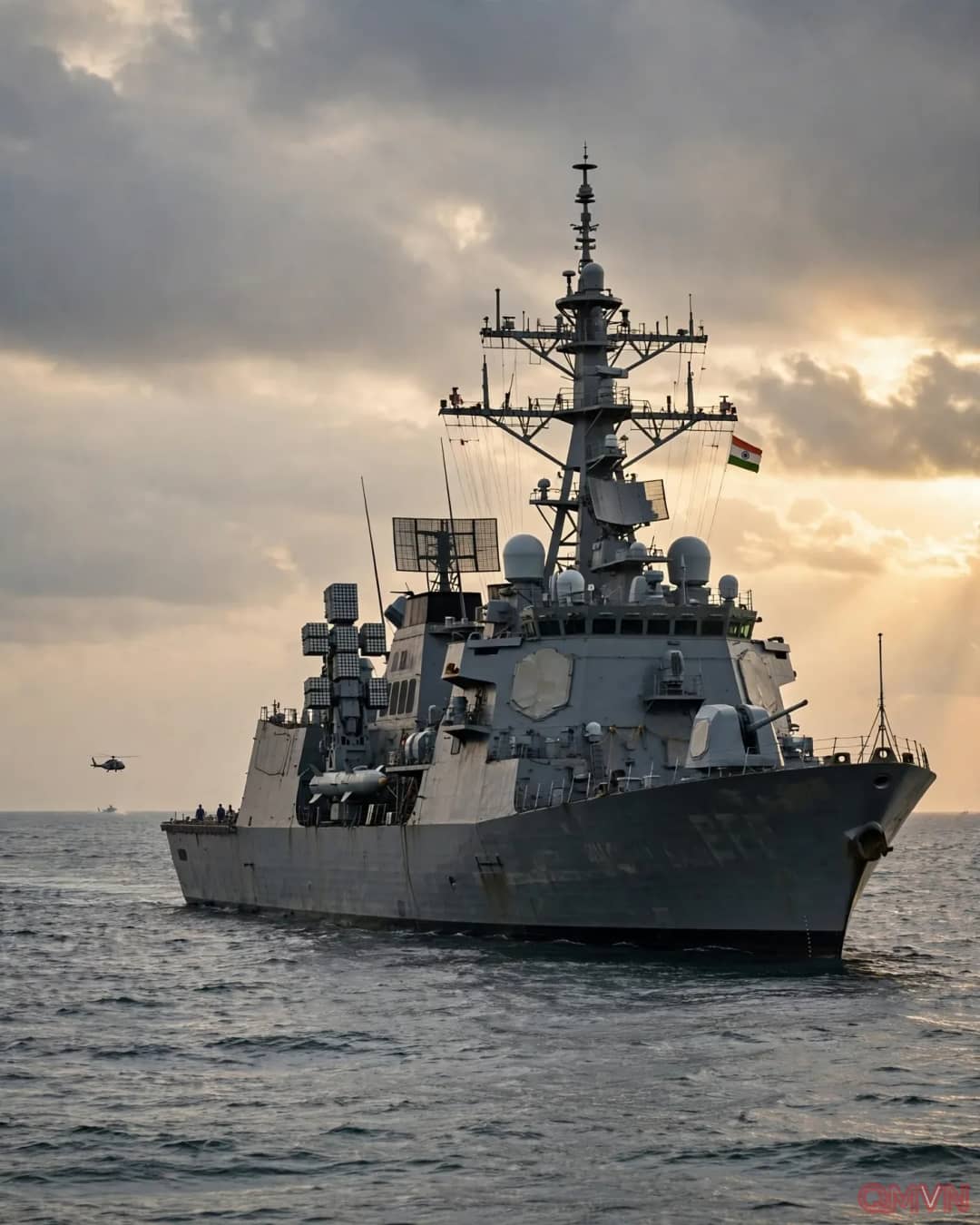
The Indian Ministry of Defence confirmed that the agreement is valued at 1,976.40 crore rupees and covers upgrades and obsolescence management for Barak Point Defence Missile Systems installed aboard Indian Navy vessels. The signing took place in New Delhi on November 18 under the government's Other Capital Procurement Procedure. Defence Secretary Rajesh Kumar Singh attended, according to the ministry's official release. Reuters reported an approximate dollar value of $211.48 million, although the contract itself is denominated in rupees.
This is primarily an investment in equipment that is already serving, not an announced order for a completely new class of weapon. The ministry specifies comprehensive work on hardware and software, with the aim of enhanced features and more effective anti-air defence. It has not publicly provided a list of ships, an implementation schedule or measurable range improvements. Statements about performance should therefore be read as the government's intended outcome, rather than results already demonstrated.
Why obsolescence management matters
A naval defensive system is only as dependable as the components, sensors, control software and logistical support that keep it operational. Over time, electronic parts become difficult to procure, interfaces grow outdated and maintenance can become costly.
Obsolescence management addresses that problem by updating or replacing elements that are nearing the end of their support life. Unlike a ceremonial launch, this work can be relatively invisible, but it affects whether crews can rely on a defensive capability through years of deployments.
Point defence generally describes protection close to a ship against threats that evade broader defensive layers. Such systems matter because a single successful aerial strike can endanger sailors, vital shipboard equipment and a mission. Modernisation can improve reliability and integration, but exact operational benefits depend on testing, training and sustainment as well as engineering. The ministry has not released technical parameters sufficient to independently quantify any improvement under this particular contract.
A wider India–Israel defence relationship
Israel Aerospace Industries has long been associated with air-defence and aerospace technology, while India has invested in layered protection for its fleet. Barak point-defence equipment should not automatically be conflated with the separately developed longer-range Barak-8 family. Both appear in discussions of India–Israel defence cooperation, but they differ in role and configuration. The November contract specifically identifies the Barak Point Defence Missile System on existing Indian Navy ships.
For New Delhi, cooperation with an established overseas supplier can help preserve the effectiveness of equipment already integrated into ships. It also brings questions about spare parts, technology support and long-term dependence on foreign vendors. Supporters may see such contracts as pragmatic readiness investments; critics may ask whether they strengthen local maintenance and industrial capacity. The government announcement did not disclose technology-transfer terms, domestic workshare or lifecycle costs, so confident judgments about those questions would be premature.
What to watch after the signing
The next meaningful milestones will be technical rather than ceremonial: when modifications begin, how many ships are covered, what tests verify the new configuration and how naval crews are trained to use it. Any future procurement disclosures could clarify whether the improvements are introduced during scheduled maintenance periods or require additional time out of service. Those details determine how quickly the agreement translates into available capability at sea.
There is also a financial distinction between contract value and value delivered. The headline amount describes expenditure, but readiness depends on component availability, successful acceptance trials and long-term support. For readers following the Indian Navy, the agreement is best understood as a commitment to maintaining a defensive layer amid evolving threats—not evidence that an enhanced system has already entered operational service. Its significance will become clearer as implementation data emerge.