MAIN ARTICLE
From an incoming drone to a personal phone
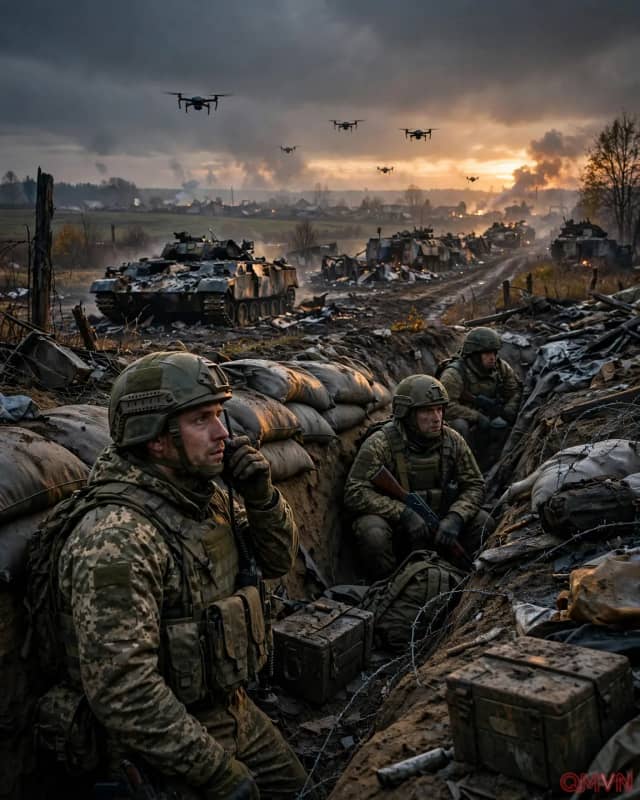
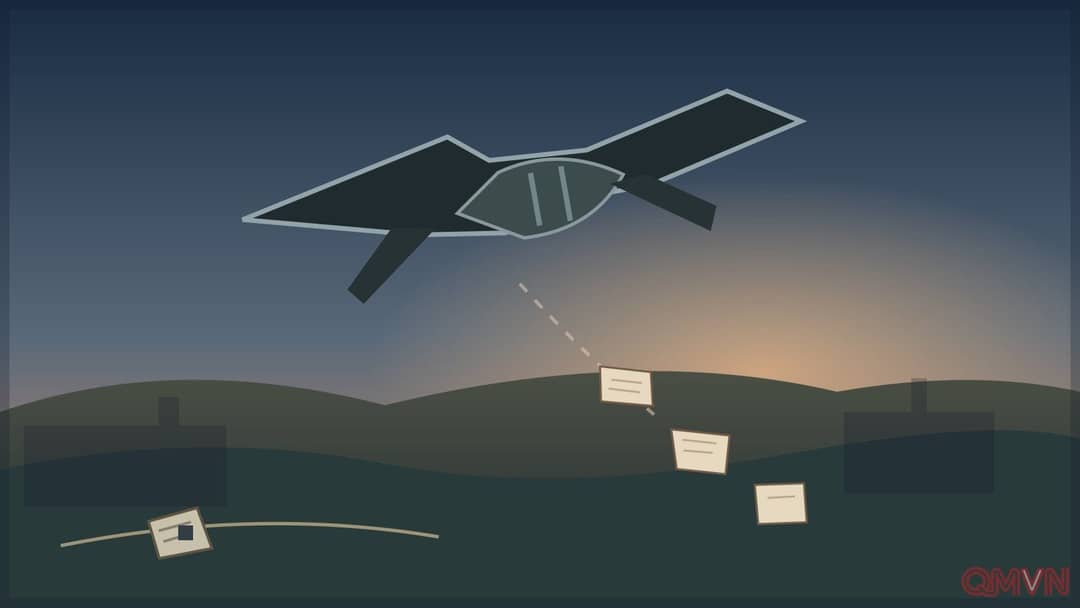
On November 4, Robert “Madyar” Brovdi reported that Ukrainian personnel intercepted a Russian drone close to positions associated with the Rarog unmanned-systems unit. He said a bundle of propaganda leaflets accompanied its explosive payload. Published photographs showed Ukrainian-language pages, some bearing QR codes. The account rests on statements and images provided by a Ukrainian commander; it is not an independently completed investigation of the aircraft’s route, payload or intended distribution.
Ukrainian reporting described two messages in the material. One invited readers to help name a supposed Ukrainian volunteer brigade serving within Russia’s armed forces; another attacked the conduct of Ukraine’s military recruitment offices. Both tapped into emotionally charged subjects already debated among Ukrainians. A code printed beneath such an appeal could move a reader from a physical leaflet to an online destination whose purpose is not immediately visible.
Brovdi advised the public not to scan the codes. No public technical findings yet demonstrate that particular links successfully compromised a phone, captured a password or infected a device. The warning is therefore a prudent security precaution, rather than evidence of a completed cyberattack.