MAIN CONTENT
From personal choice to a market signal
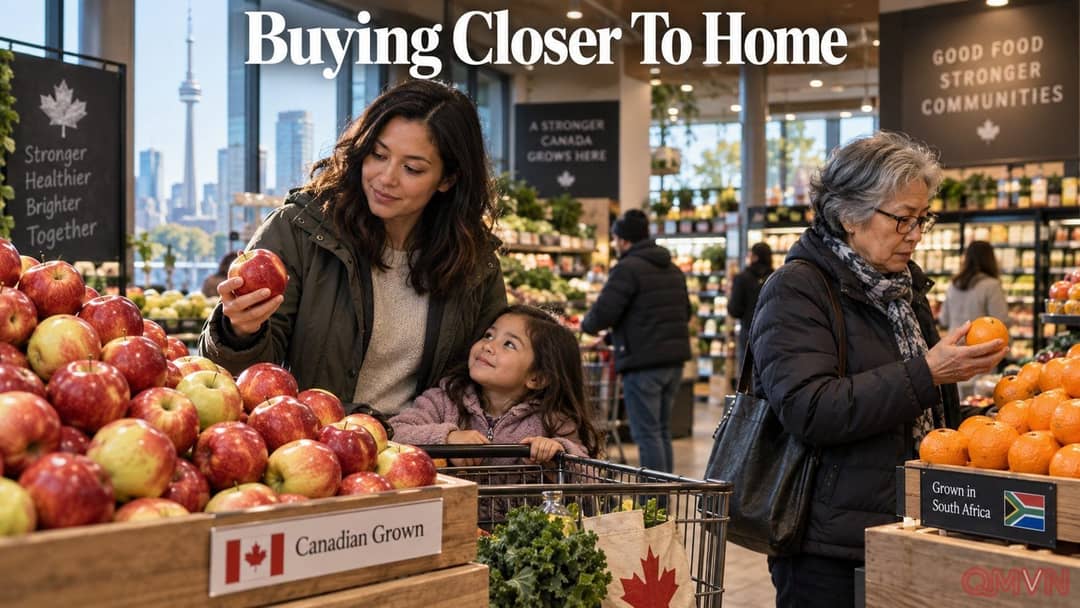
Many shoppers now treat the basket as a way to support domestic farmers, manufacturers and jobs. Repeated millions of times, those choices force retailers to respond. Reuters reported that independent stores were giving Canadian suppliers greater priority where possible, while large chains were strengthening in-store signs for domestic goods. The meaningful change is not that every U.S. product disappears. It is that origin has become a visible consideration alongside price and quality. The question reaches beyond food. It influences household goods, restaurant purchasing and the way companies describe their supply chains. Some shoppers accept a small premium when a domestic substitute is available; others can only change when price and quality are comparable. Neither position is a failure of civic feeling. A responsible retail response recognises that different families have different room to manoeuvre. It is also a reminder that consumer power works best when it is informed. A label should invite a question, not demand a reflex. People may reasonably value local employment, environmental distance, taste, reliability or simply the price that allows a household to get through the week.
Country-of-origin labels become a decision tool
When a label clearly states where a product comes from, customers can decide without guessing. That also creates a greater duty for retailers: information must be accurate, understandable and must not imply that Canadian packaging automatically means Canadian ingredients. Good transparency lets people act on their values while protecting legitimate U.S. and international businesses from careless assumptions. Labels can also help suppliers. Small producers often struggle to earn shelf space beside well-known multinational brands.