Main article
A claim of victory links two different arenas
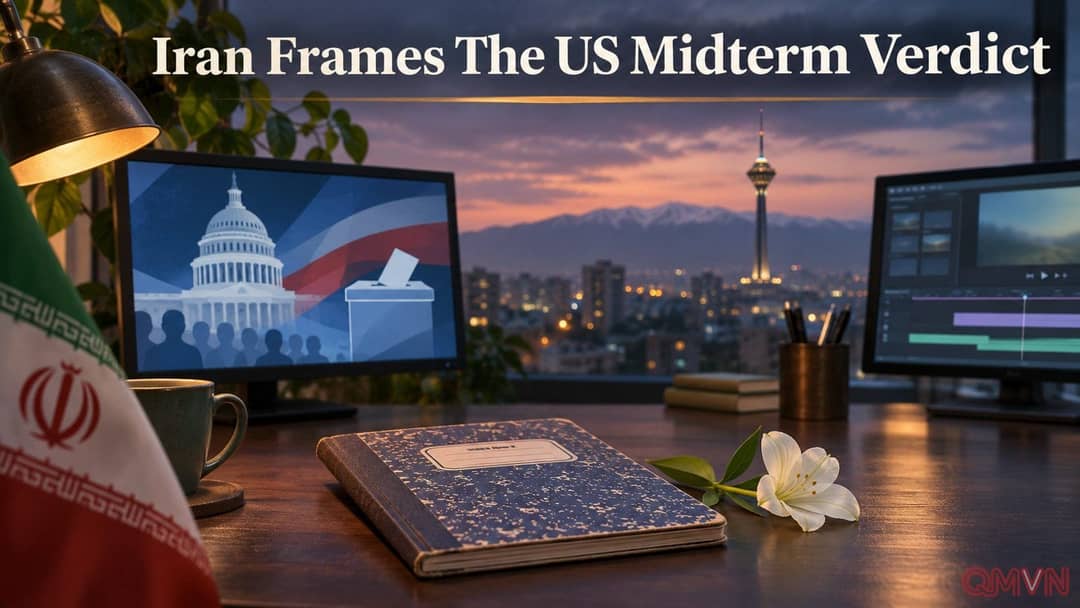
Mohseni-Ejei wrote that Trump had failed in both war and politics and promised further defeats. The language was that of an official adversary evaluating the US president, not an independent measurement of either campaign. It sought to connect battlefield confrontation with domestic political pressure. That connection is the central claim in the message, but it needs evidence beyond the speaker’s assertion before becoming an account of why voters acted or how a war is proceeding.
The judiciary chief also described November 4 as a day associated with American defeat and honoured students and university students he called martyrs, specifically remembering those from Minab. His post therefore did more than comment on a vote. It placed the current political moment beside a history of confrontation and an account of civilian suffering. The exact emotional effect on audiences cannot be measured from the post alone.
The dates deserve care. The US midterm elections took place on November 3; the Iranian reaction described here was issued on Wednesday, November 4. A statement released the following day is not evidence that voting occurred on that date. Keeping the sequence clear also helps separate an election event from the way another government interprets it. They belong to the same news cycle, but they are different actions by different actors.