MAIN CONTENT
A decision with consequences beyond Singapore
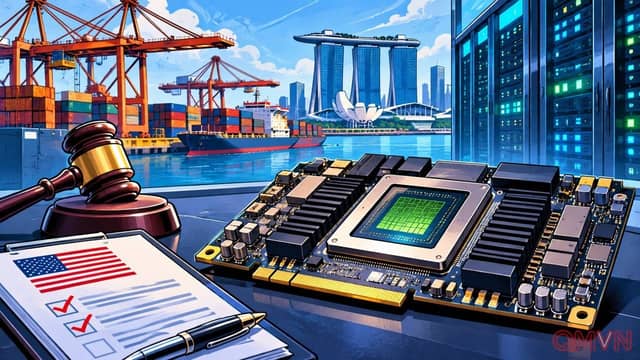
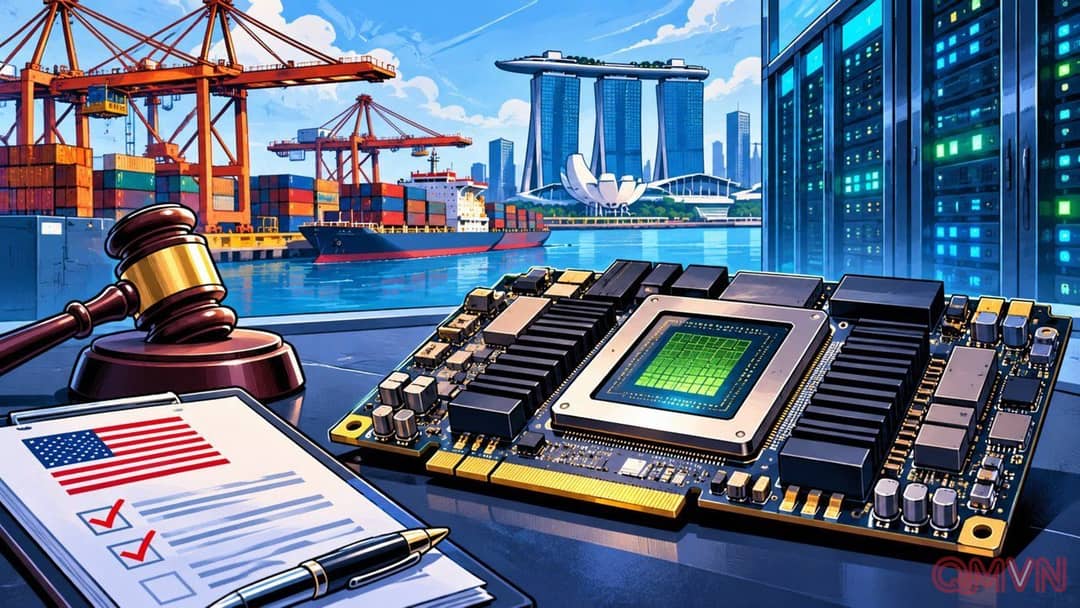
An Entity List designation is more than a diplomatic signal. Under US export regulations, transactions involving covered goods, software and technology may require government authorization. A restrictive licensing policy introduces uncertainty into procurement and expansion plans for affected data center businesses, even where their broader commercial activities remain lawful.
Reuters confirmed on November 23 that the action encompassed seven businesses in three Southeast Asian countries. That does not amount to a prohibition on all trade with the region. The restrictions must be understood in relation to the particular parties, items and applicable rules. Suppliers therefore need to review contracts and establish their legal obligations before fulfilling orders, rather than treating every regional customer as a security risk.
The Bureau of Industry and Security (BIS) filing, numbered 2026-23999 and released for public inspection on November 23, identifies three entities in Singapore: Megaspeed International, Swiftdata and Apex Enterprise Solutions; three under Malaysia: MSFusion, PT Megaspeed International and Speedmatrix; and Megaspeed (Thailand). It sets a licensing requirement for all items subject to the US Export Administration Regulations, with applications generally expected to be rejected. A limited 30-day transitional provision applies to qualifying shipments already in transit, rather than to new orders.
An investigation is not a conviction
According to The Guardian and Reuters, US authorities have scrutinized Megaspeed since 2024 over suspected diversion of advanced processors to China. Megaspeed maintains that it operates lawfully and complies with US export controls. It also said Alice Huang left the company in August 2025.
Reports concerning a personal relationship between Alice Huang and Jensen Huang, and allegations involving Chinese intelligence, have drawn additional attention to the case. Beijing rejects the espionage allegations. The Guardian reported that Singapore Prime Minister Lawrence Wong said an earlier inquiry into Alice Huang had found no grounds for prosecution. Suspicions, administrative restrictions and criminal judgments are distinct matters, each requiring its own evidentiary standard. The public debate should preserve those distinctions.
The chronology of the investigation matters. According to the joint statement issued by the US Commerce and Justice departments on November 16, 2026, officials requested Nvidia records about direct and indirect transactions with Megaspeed in May 2025. Nvidia placed the customer on its internal no-sale list in June 2025. Megaspeed told the South China Morning Post that it had retained outside lawyers to investigate its own operations. These developments should be assessed separately from any eventual finding of criminal responsibility.
Nvidia faces a test of corporate accountability
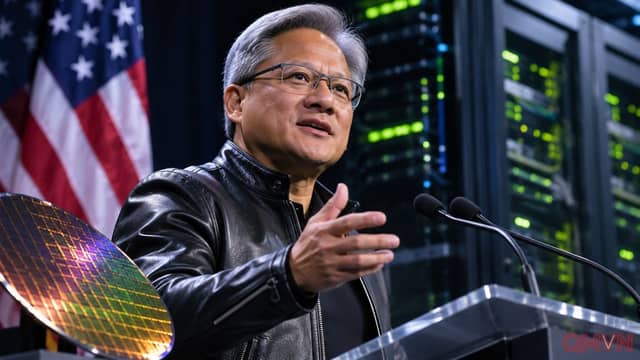
Jensen Huang’s return to Nvidia may restore continuity in its business strategy, but it cannot replace effective internal safeguards. Reuters reported that Nvidia has established a committee covering export controls and national security risks.
Its effectiveness will depend on independence, access to information and the ability to respond to warning signs without interference.
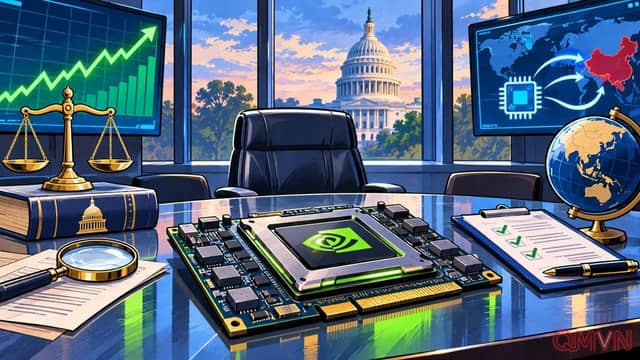
US Treasury Secretary Scott Bessent has questioned Nvidia’s customer verification practices. That debate extends beyond a particular commercial agreement: manufacturers need to understand who uses their products, for what purposes, and how compliance responsibilities are allocated. Relevant governance measures include:
Verifying customers and end users as required by applicable rules.
Preserving transaction records for legitimate audits and investigations.
Ensuring that compliance teams can report risks independently.
Nvidia’s leadership returns, but compliance questions remain
The South China Morning Post reported that Huang returned as president, chief executive and director on November 23, eleven days after his departure. Nvidia shares gained more than 30% that day, reflecting relief over management continuity. Yet a recovery in market value does not establish whether past transactions met regulatory requirements. Investors will need to distinguish the commercial prospects of the AI industry from the consequences of ongoing investigations and the effectiveness of future oversight.
Singapore and the challenge of global trade
Reuters reported on November 24 that Singapore would continue investigating Megaspeed. Its government distinguishes domestic enforcement from the investigation undertaken by US authorities. That distinction reflects the need for cross-border cooperation while respecting the legal jurisdiction of individual countries.
For Southeast Asia, data centers offer opportunities for investment, employment and digital development. Sustainable growth, however, requires predictable business conditions and credible due diligence. Overly broad restrictions may raise costs for legitimate customers, while inadequate oversight may undermine confidence among international partners. Governments and companies alike must navigate this balance, particularly when commercial infrastructure serves users across national borders.