MAIN CONTENT
When security becomes a private commodity
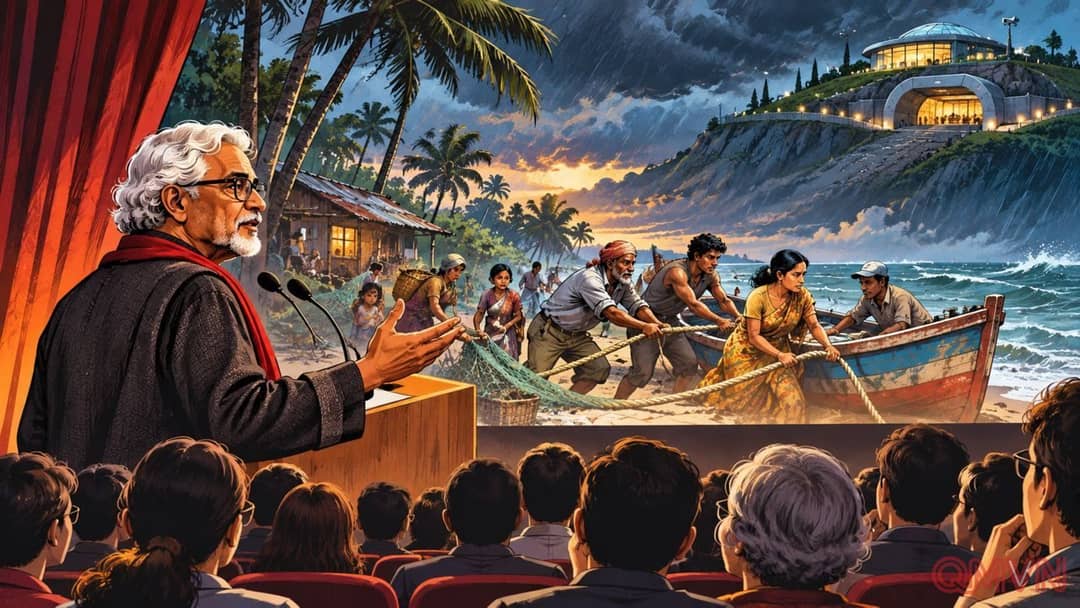
Ghosh identified a striking paradox: people wealthy enough to anticipate global dangers may devote resources to fortified private spaces rather than reducing collective exposure to those dangers. He referred to a luxury shelter market offering self-contained power, food production and security. For the author, these installations raise a disturbing ethical question. If survival is treated as something that can be purchased, those unable to pay risk disappearing from the calculation.
Yet buying emergency supplies or a shelter does not establish that an individual welcomes disaster, let alone intends to cause it. That distinction matters when discussing named business leaders or entertainers. The defensible broader concern is that capacity to adapt may be increasingly stratified by income, while extreme weather, disease and infrastructure failures remain capable of crossing property boundaries.
The vulnerable possess knowledge as well as needs
Ghosh challenged the familiar portrait of low-income communities as passive victims. Farmers, fishers and forest communities often preserve practical knowledge of water, soil, seasons and mutual assistance across generations.