Match information
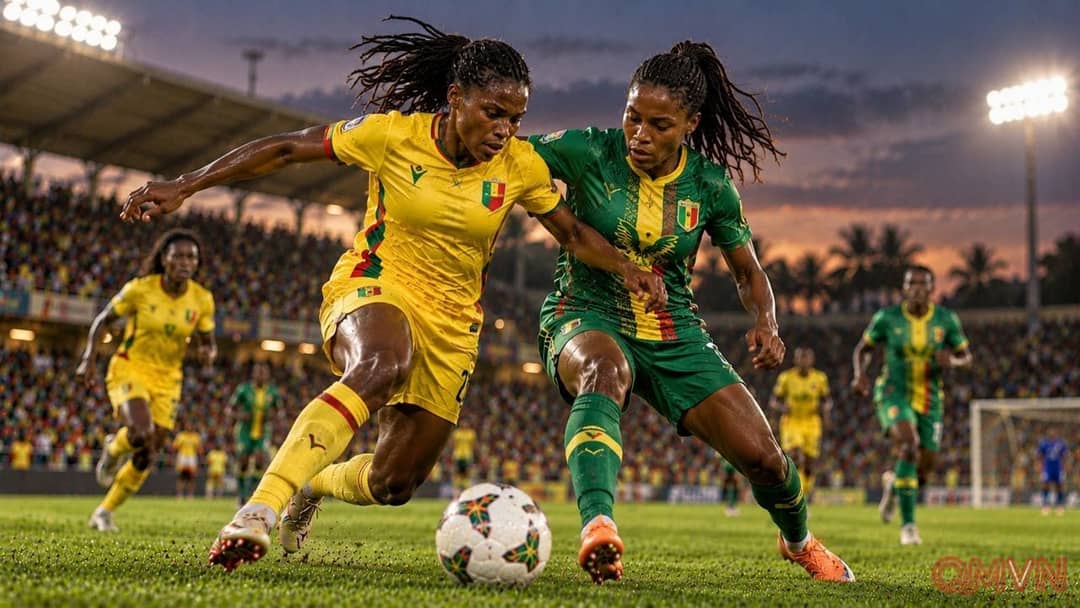
CAF lists the second-round first leg for 15:00 UTC on 8 October 2026 at Stade de Kégué, Lomé, Togo. The original 16:00 UTC listing should be corrected. The return leg is scheduled for 13 October at Stade Mamadou Konaté in Bamako. There is insufficient reliable confirmation of a match referee or dedicated legal broadcast outlet.
Context and stakes
This home-and-away knockout contest offers no margin for complacency. Benin need something to protect in Bamako despite playing their nominal home fixture in Togo. Mali will seek a result that gives them control of the tie on their own ground. Emotional discipline, defending set pieces and avoiding turnovers in dangerous zones may matter as much as individual flair.
Recent form and team narratives
Benin initially worked with locally based players before overseas internationals joined during the October FIFA window. Moving preparations from Cotonou to Lomé allowed the group to adjust to the venue, but also reduces the conventional advantage of playing on home soil. The integration of late arrivals could shape their coordination when tracking runners and launching counterattacks.
Squads and projected formations
Mali named a 23-player group including Oumou Sidibé, Yakare Niakaté, Aïssata Traoré and Agueissa Diarra, all bringing experience from clubs abroad. That range of football backgrounds may help Mali vary their rhythm and cope with pressure, although limited time together presents its own challenge. Because a complete, reliably verified series of five or six recent senior international results is unavailable, it would be misleading to invent a win-loss run; preparation and squad composition provide the sounder basis for this preview.
How could the teams play tactically?
Benin coach Abdoulaye Ouzérou selected a blend of senior players and emerging prospects, including footballers associated with the U20 generation. Mali published a 23-player squad ahead of the two legs.
No specific injury or suspension should be presented as confirmed without stronger matchday evidence.
Three decisive battles
Projected shapes, not confirmed starting elevens: Benin could use 4-2-3-1 with a double pivot protecting the centre-backs. Mali may favour 4-3-3, with three midfielders contesting second balls. Specific goalkeepers, full-backs and forwards remain subject to the official teamsheet.
Weaknesses to exploit
Benin may build cautiously through their centre-backs before releasing the ball into wider areas, avoiding turnovers in the middle. Their holding midfielders must cover advancing full-backs and keep distances short. Against high pressure, a longer pass toward the centre-forward followed by an aggressive challenge for the second ball offers an alternative route forward.
Possible match scenarios
Mali can seek control through midfield combinations and sudden changes of pace. A compact mid-block after losing possession would protect the space behind the back line, while early switches of play can attack gaps around Benin’s full-backs. Neither side should gamble recklessly with another leg still to come.
Prediction and projected score
First, the zone outside each penalty area could be decided by who secures loose and second balls. Second, the flanks pit direct runners against full-backs needing disciplined cover. Third, dead-ball situations have outsized importance: a corner or free kick could break a balanced encounter without sustained dominance.
Subscribe to the QMVN newsletter
A daily morning digest - only stories worth reading, no spam.