ARTICLE
From fundraising presentations to a dispute over disclosure
The immediate dispute concerns events held by Seki, including gatherings in 2024 where senior officials from government ministries reportedly addressed business attendees. Critics argue that the format created an uncomfortable overlap between public-sector expertise and a politician’s efforts to raise money. Attendance at such a gathering does not alone establish a violation of law, but it raises questions about whether officials understood how their participation would be used.
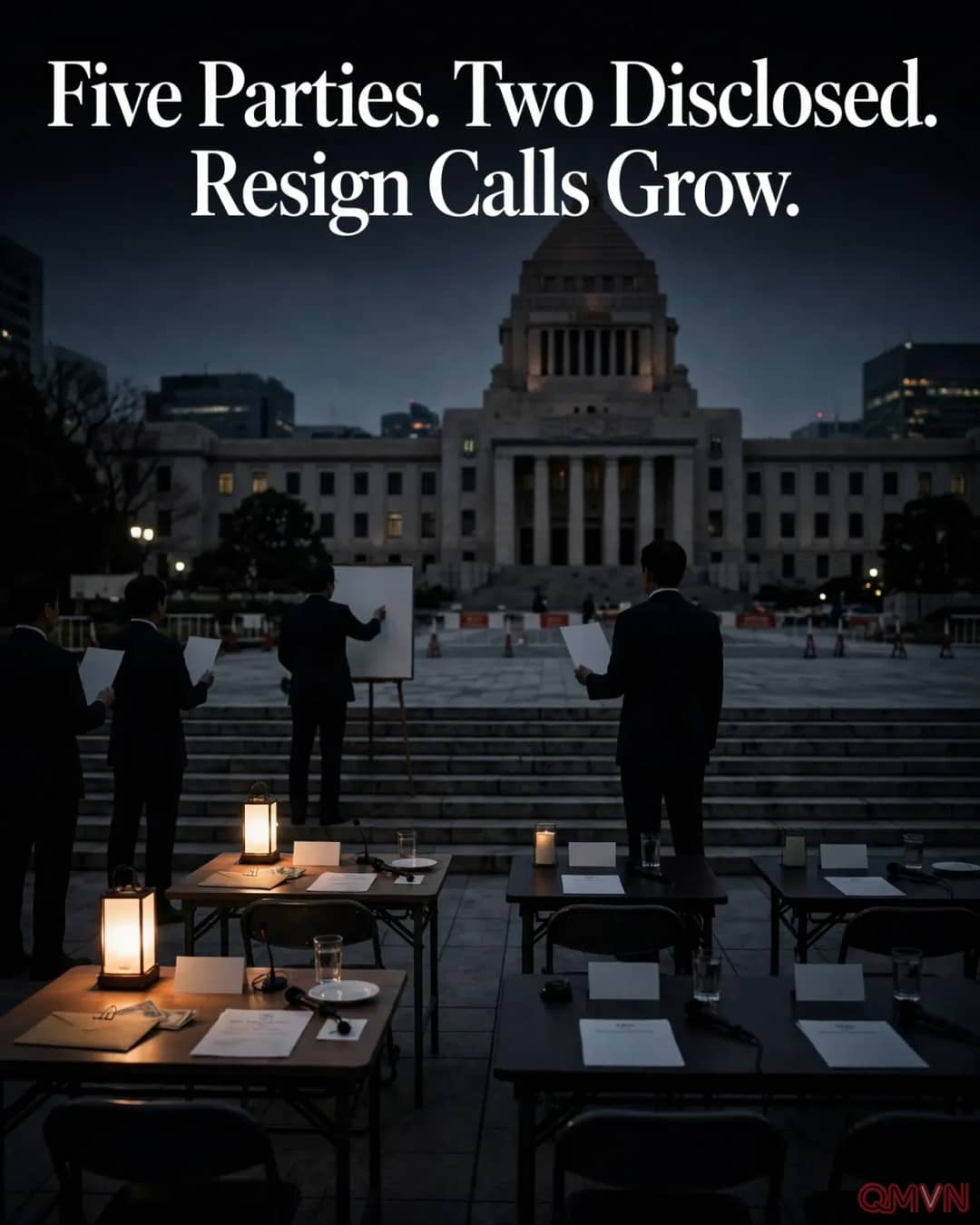
Seki acknowledged that bureaucrats attended two fundraising gatherings, according to Jiji Press reporting on November 20. Opposition leader Yuichiro Tamaki subsequently accused him of revealing only two events during parliamentary questioning despite having organized five. The competing descriptions are central to the political dispute: the issue is not merely who spoke, but whether the minister gave lawmakers a complete and reliable account.
Tamaki, who leads the Democratic Party for the People, called for an upper-house censure motion and argued that Seki must consider his position if the controversy prevents effective parliamentary deliberation. The accusations remain political allegations, not a judicial finding of fraud or corruption. Seki’s continued tenure and any further explanations from his office are therefore important to the unfolding story.
Government response reveals competing priorities
The governing Liberal Democratic Party has not spoken with one voice. Secretary General Shunichi Suzuki suggested that removing obstacles to the passage of legislation should be a priority, comments widely interpreted as leaving open the possibility of a cabinet change.
Chief Cabinet Secretary Minoru Kihara later said Suzuki had not been referring to a specific personnel decision.
A senior government official, as quoted in the supplied Kyodo account, maintained that Seki’s actions had not broken the law and warned that dismissing him could create an unfortunate precedent. That position puts the distinction between legal compliance and political responsibility at the center of the debate. An action can be lawful yet still invite questions about fairness, judgment and the independence of the civil service.
Prime Minister Takaichi has the authority to appoint or remove ministers, while parliament can apply pressure through questioning and motions. Neither route guarantees a quick settlement. The decision may depend on whether Seki can provide a detailed chronology and whether opposition parties consider that explanation sufficient to resume legislative work.
Why a nonbinding censure motion matters
A censure motion in the House of Councillors cannot legally dismiss a cabinet minister. Its practical impact rests in parliamentary relationships: parties can withhold cooperation on committee proceedings or other debates, making a government’s legislative timetable more difficult. The threat is especially consequential when a session’s remaining calendar is limited.
Opposition Sanseito leader Sohei Kamiya has also signaled willingness to support a motion against Seki. The convergence of criticism across different opposition parties increases attention on his explanations, although the parties need not agree on wider economic policy. Whether a motion is formally submitted, and how lawmakers respond, remained unsettled in the reporting available November 22.
One high-profile issue at stake is a proposed two-year reduction in the consumption tax on food and beverages beginning in April. Supporters present the change as relief for household budgets, while its implementation and fiscal implications require parliamentary scrutiny. The fundraiser controversy could consume political time otherwise devoted to debating those trade-offs.
A wider test of ethics and institutional trust
The affair has revived memories of the Liberal Democratic Party’s political-funds scandal that emerged in late 2023. Seki was among politicians disciplined in connection with that episode, when undeclared revenues from fundraising parties triggered wider scrutiny of factional financing. That history intensifies the demand for clear answers in the current case without proving that the new allegations involve the same conduct.
Takaichi’s cabinet has already experienced a ministerial exit: former agriculture minister Kazuo Yana stepped down in October following controversies of his own. Each incident brings a different factual record, yet repeated disputes can shape how voters judge a government’s willingness to enforce standards internally. Ruling-party leaders must also consider whether frequent removals undermine administrative continuity.
A credible resolution would involve publishing the chronology of the events, clarifying how civil servants were invited and distinguishing the minister’s political fundraising from officials’ public responsibilities. Those steps do not prejudge criminal liability. They provide a practical basis for parliament and citizens to determine whether a relationship of trust can be maintained.