MAIN CONTENT
A private hearing and the legality of the searches
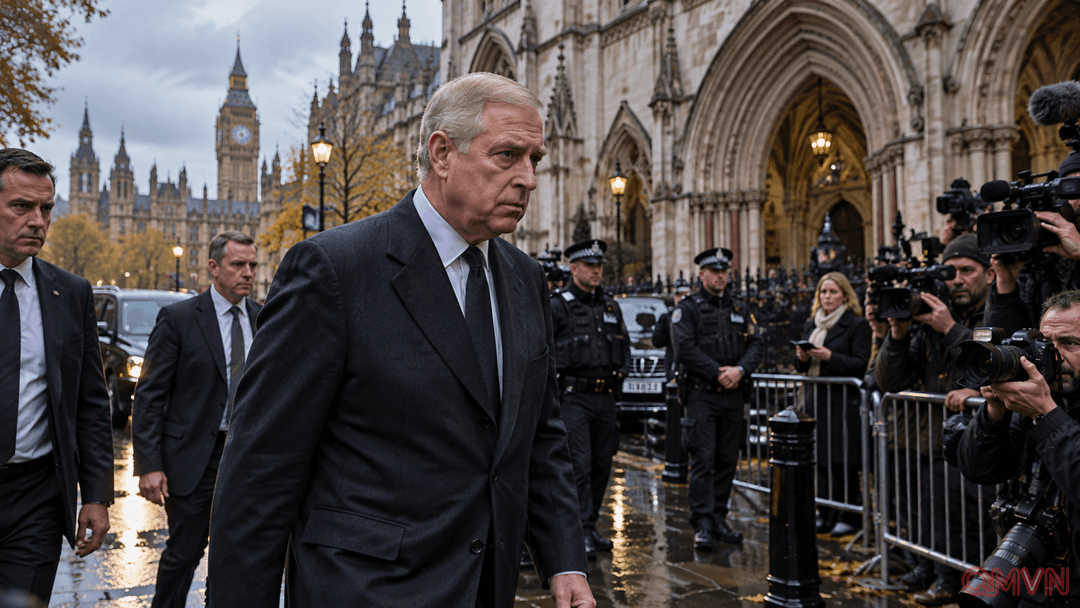
Britain’s judicial authorities say the hearing is scheduled for Thursday and will take place in private. Andrew Mountbatten-Windsor is asking the court to review the legality of warrants that enabled police to search properties linked to him around the time of his February arrest. Reuters and AP report that the application is not, at this stage, a request for the court to decide the truth of the wider allegations. Instead, it asks whether the process used to obtain the warrants, their scope and the information put before the authorising court met the required legal standard.
Thames Valley Police has said only that it is engaged in legal proceedings concerning the issuing of warrants. A private hearing may be intended to protect investigative material, privacy or information that has not yet been tested. But secrecy also leaves the public with limited visibility into the competing arguments and increases the importance of a clear explanation if the court later publishes a ruling or releases appropriate documents.
If a search warrant were found unlawful, that could affect how material obtained through the search is treated, but it would not necessarily erase an entire investigation. Courts may need to distinguish between the legality of a particular investigative step and evidence gathered independently from other sources. That is why the case reaches beyond personal reputation: it concerns the boundary between police powers and the right to be protected from coercive searches that lack a lawful basis.